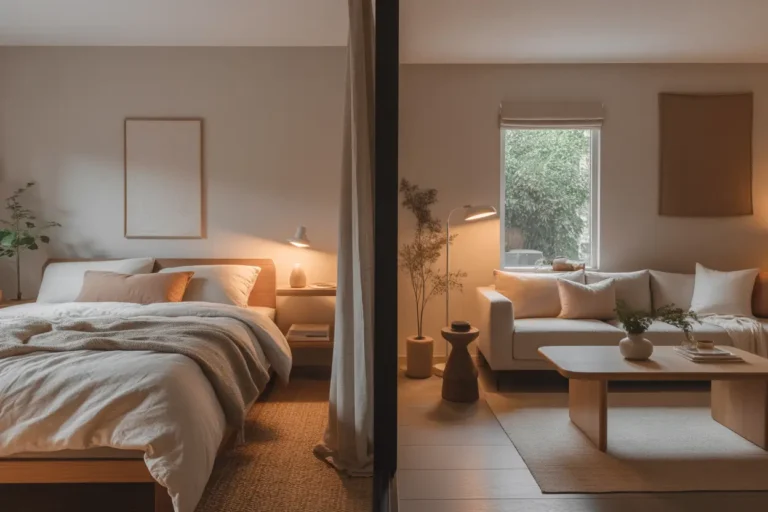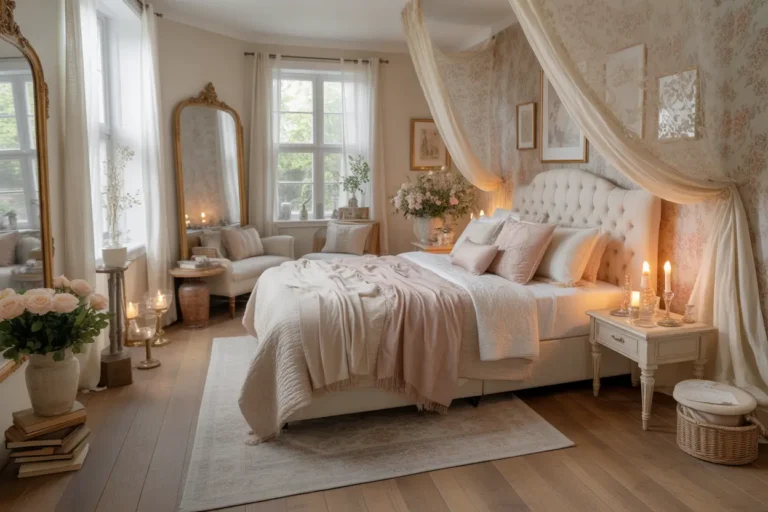
24 Monochromatic Color Scheme Ideas That Look Minimal Yet Striking

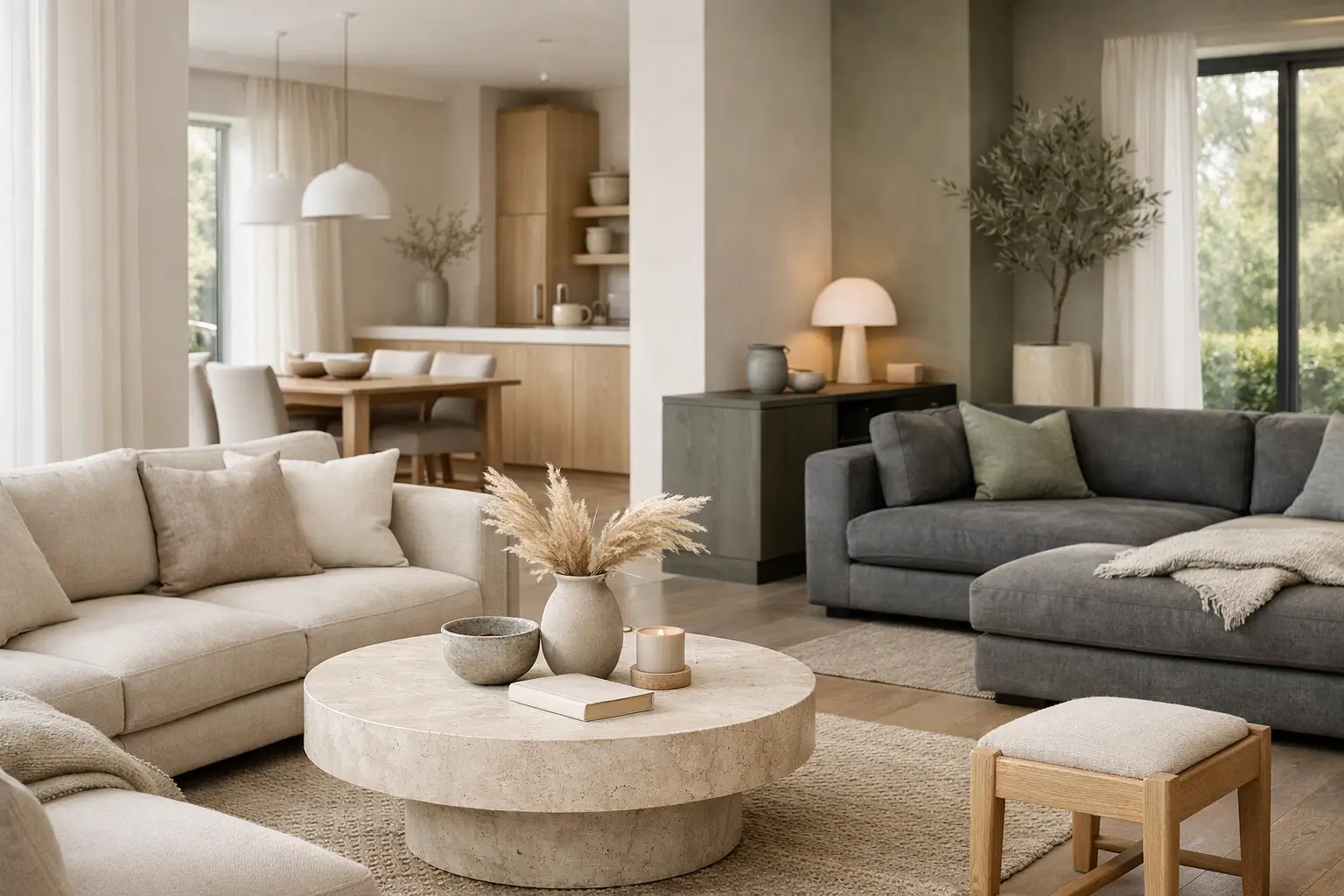
Monochromatic design sounds simple, but it can easily feel flat if you repeat the same tone everywhere. The real magic comes from layering shades, textures, and light so one color feels rich instead of boring. When done right, a single color can shape the mood of a room, highlight details, and create a calm yet powerful look that stands out without trying too hard.
In this guide, you will explore fresh and practical ways to use monochromatic color schemes that feel modern, minimal, and visually strong. Each idea focuses on real-life styling, including materials, lighting, and layout choices you can try right away. These are not typical tips—they are creative approaches designed to help you build spaces that feel balanced, intentional, and worth saving for inspiration.
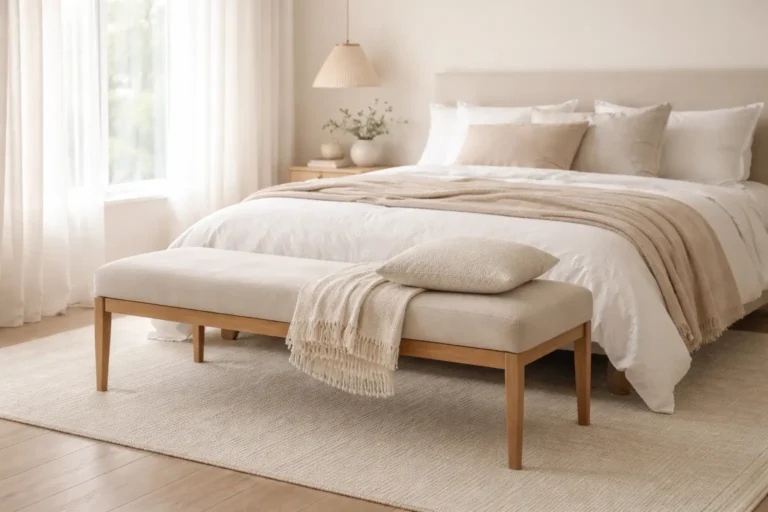
1. Soft Beige Layers with Natural Texture Depth
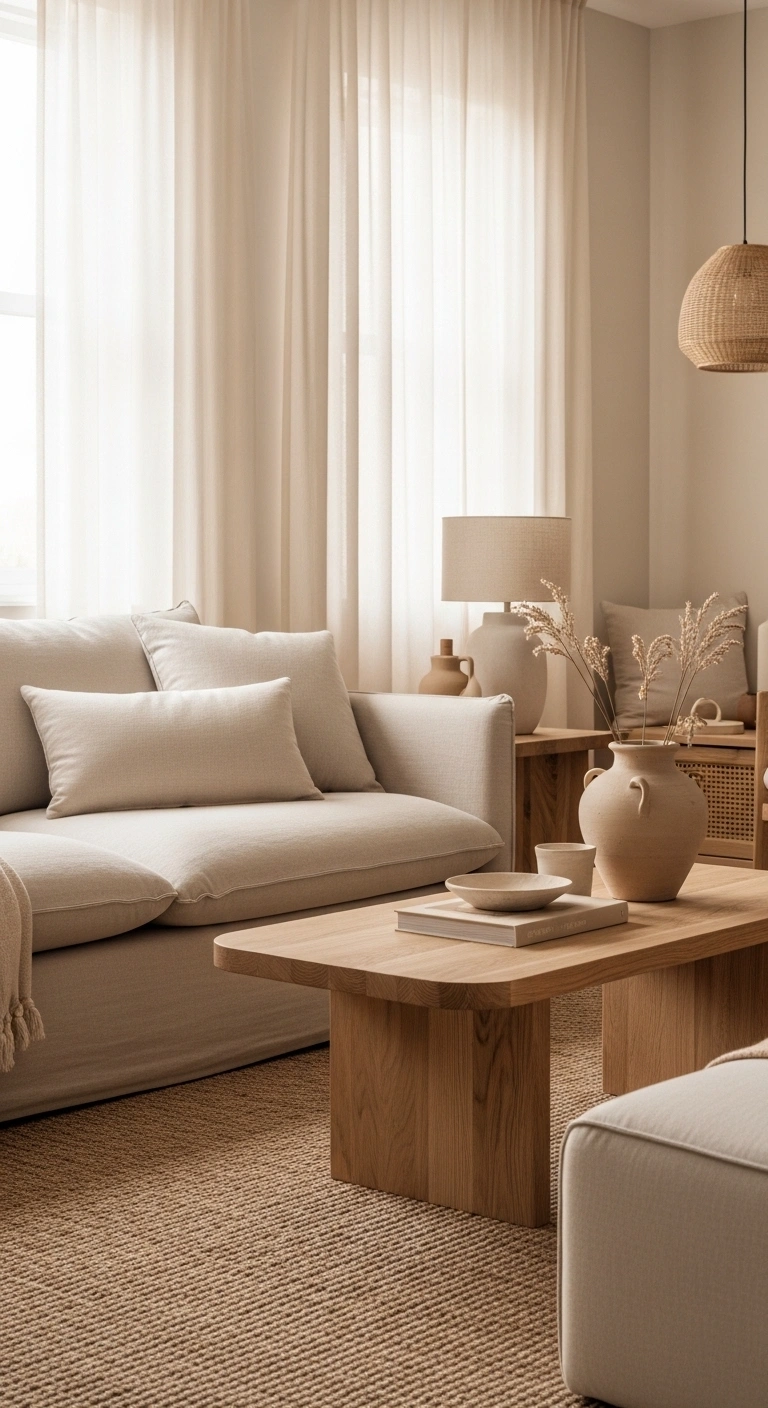
A beige monochromatic space feels warm and calm when you mix textures instead of shades alone. Start with soft beige walls that reflect natural light, then bring in a linen sofa in a slightly deeper tone. Add a chunky knit throw and a woven jute rug to build contrast without changing the color family. This creates depth while keeping the palette simple.
Focus on raw materials like wood, clay, and cotton. A light oak coffee table paired with ceramic decor adds subtle variation. Use warm lighting, such as a fabric lampshade, to enhance the softness of beige tones. Keep the layout open and uncluttered so each piece stands out. This approach turns a basic neutral into a rich, layered space that feels both minimal and inviting.
One thing I always reach for in a neutral room is a woven jute area rug. It adds gentle texture underfoot without changing the color palette, making beige tones feel more layered and inviting while helping define the seating area in a simple, natural way.
2. Charcoal Black with Matte and Gloss Contrast

A black monochromatic room looks striking when you balance matte and glossy finishes. Use matte black walls as the base to create a deep, grounded feel. Then introduce glossy elements like a lacquered side table or reflective decor to catch light and break the flatness.
Add soft textures to avoid a harsh look. A velvet chair or thick wool rug softens the intensity of black while keeping the palette consistent. Lighting plays a key role here—use warm, focused lighting like wall sconces to create highlights and shadows. Keep furniture shapes clean and simple to maintain a minimal look. This idea transforms black into a bold yet refined statement without overwhelming the space.
3. Cool Grey with Sleek Metallic Accents
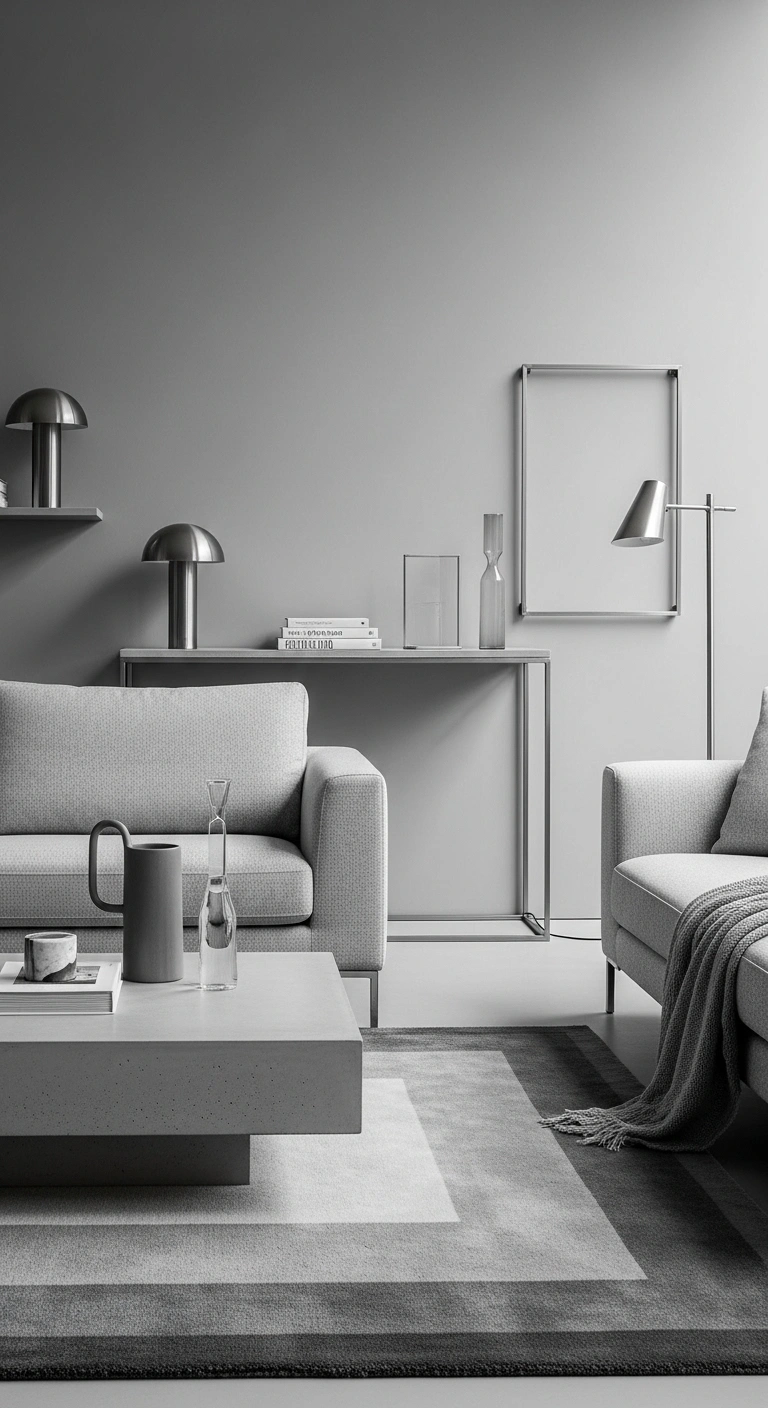
Grey works best when you combine cool tones with subtle shine. Start with pale grey walls and layer in medium grey furniture for balance. Then add metallic accents like brushed steel or chrome through lighting fixtures or small decor pieces.
The key is restraint. Use metallics in small amounts so they enhance rather than dominate. A sleek floor lamp or minimal shelf brackets can add just enough contrast. Choose smooth surfaces like glass or polished stone to keep the look clean. Soft, diffused lighting helps maintain a calm mood while highlighting the reflective elements. This setup creates a modern, minimal space that feels polished and quietly striking.
4. Warm White with Shadow Play
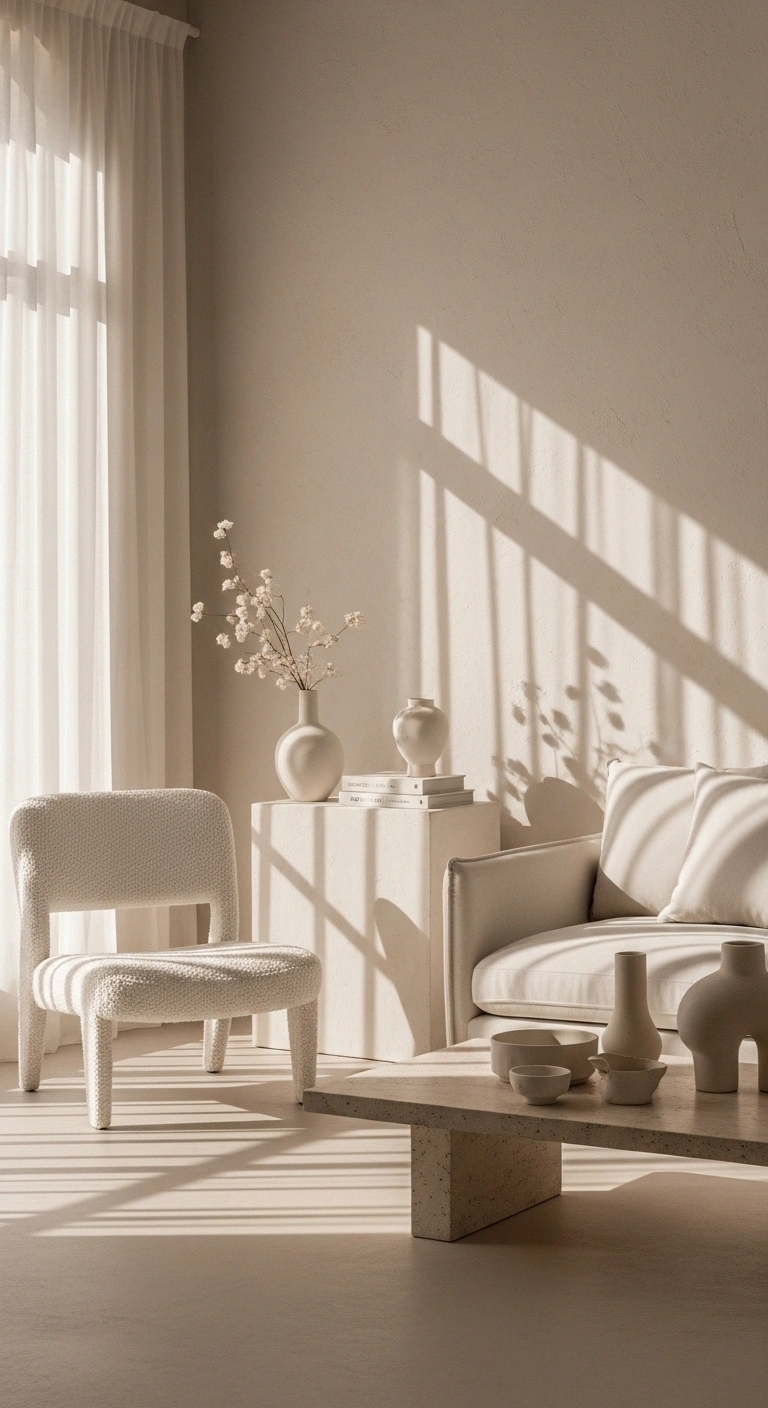
A white monochromatic room becomes interesting when you focus on shadows and light. Use different shades of white, from crisp white walls to off-white furniture, to build subtle variation. The real impact comes from how light moves through the space.
Place sheer curtains to filter sunlight and create soft shadows on walls and floors. Add textured elements like a plaster wall finish or a boucle chair to catch light differently. Use layered lighting, such as table lamps and floor lamps, to create depth at night. Keep decor minimal so the focus stays on light and form. This approach makes white feel dynamic instead of plain, offering a clean yet visually engaging environment.
I like using light sheer white curtains whenever I want natural light to become part of the design. They soften bright sunlight, create gentle shadows across the room, and help different white tones feel more interesting without adding extra color.
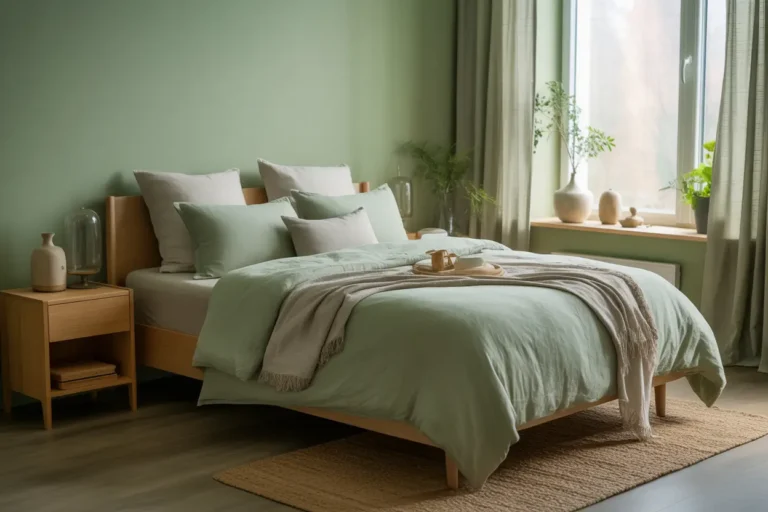
5. Earthy Olive Green with Organic Elements
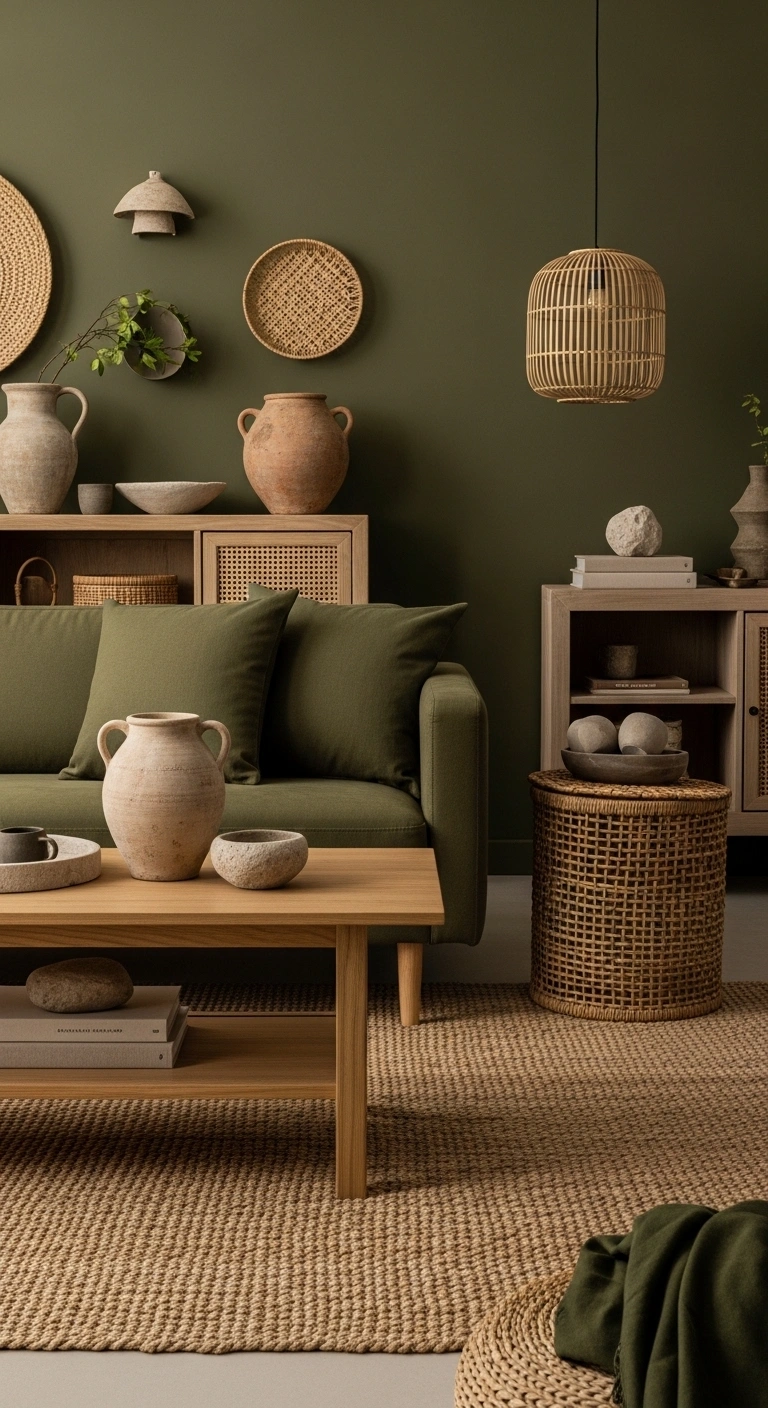
Olive green feels grounded and calming when paired with natural materials. Start with muted olive walls and bring in furniture in slightly darker or lighter green tones. This keeps the palette cohesive while adding depth.
Introduce organic textures like rattan, wood, and stone. A wooden bench or woven basket adds warmth without breaking the color flow. Use plants with similar green tones to blend seamlessly into the design. Lighting should be soft and warm to enhance the earthy feel. Keep the arrangement simple and functional. This idea creates a nature-inspired space that feels fresh, balanced, and easy to live in.
I’ve found that a woven storage basket adds both warmth and function to an olive green space. It brings another natural texture into the room while giving blankets or magazines a simple place to stay, helping the space feel calm and uncluttered.
6. Dusty Blue with Soft Fabric Layers

Dusty blue creates a calm and airy feel when layered with soft fabrics. Start with pale blue walls that reflect light gently, then add a slightly deeper blue sofa to anchor the space. Use cushions, throws, and curtains in varying shades of blue to build a soft, flowing look that feels connected without being flat.
Focus on fabric textures like cotton, linen, and light wool. These materials add quiet depth while keeping the room relaxed. A simple wooden coffee table can ground the softness and prevent the space from feeling too delicate. Use cool white lighting during the day and soft warm lamps at night to shift the mood naturally. This setup turns blue into a peaceful yet visually rich environment that still feels minimal and clean.
One thing I always reach for is linen throw pillow covers in a few shades of blue. Mixing similar tones creates soft layers without making the room feel busy, and the natural fabric adds quiet texture that fits the relaxed look.
7. Terracotta Tones with Subtle Heat
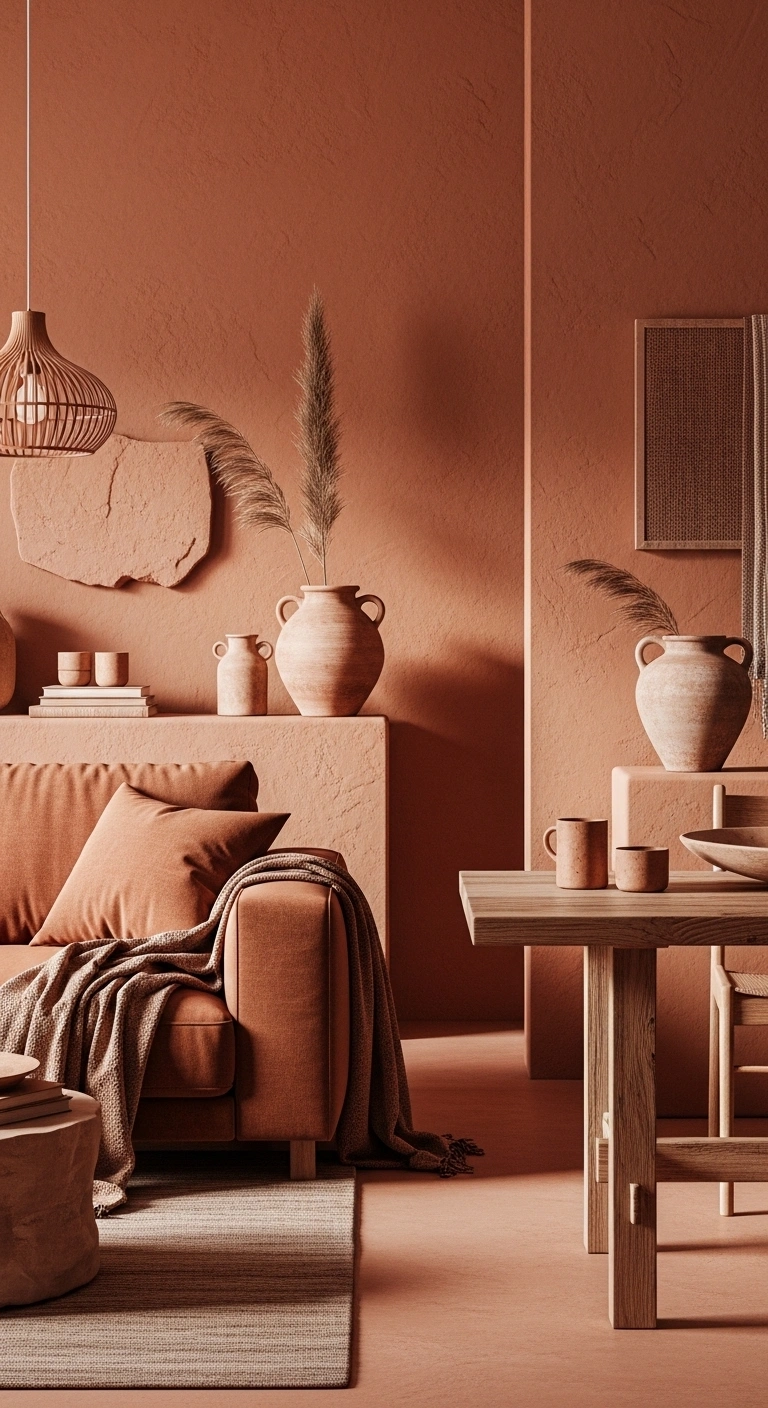
Terracotta works best when you layer warm tones that feel sun-baked and natural. Begin with soft clay-colored walls and bring in deeper rust shades through furniture or decor. This creates a smooth gradient that feels warm without becoming heavy.
Add textured elements like clay pots, raw wood, and woven textiles to enhance the earthy vibe. A textured wall finish or handmade ceramics can add character without clutter. Use warm lighting to highlight the richness of the tones, especially in the evening. Keep the layout open and simple so the color remains the focus. This approach makes terracotta feel modern and bold while staying grounded and minimal.
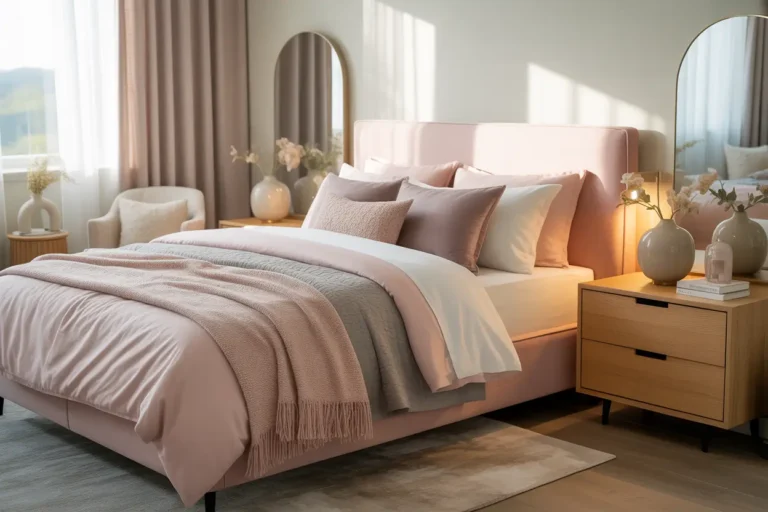
8. Blush Pink with Structured Shapes
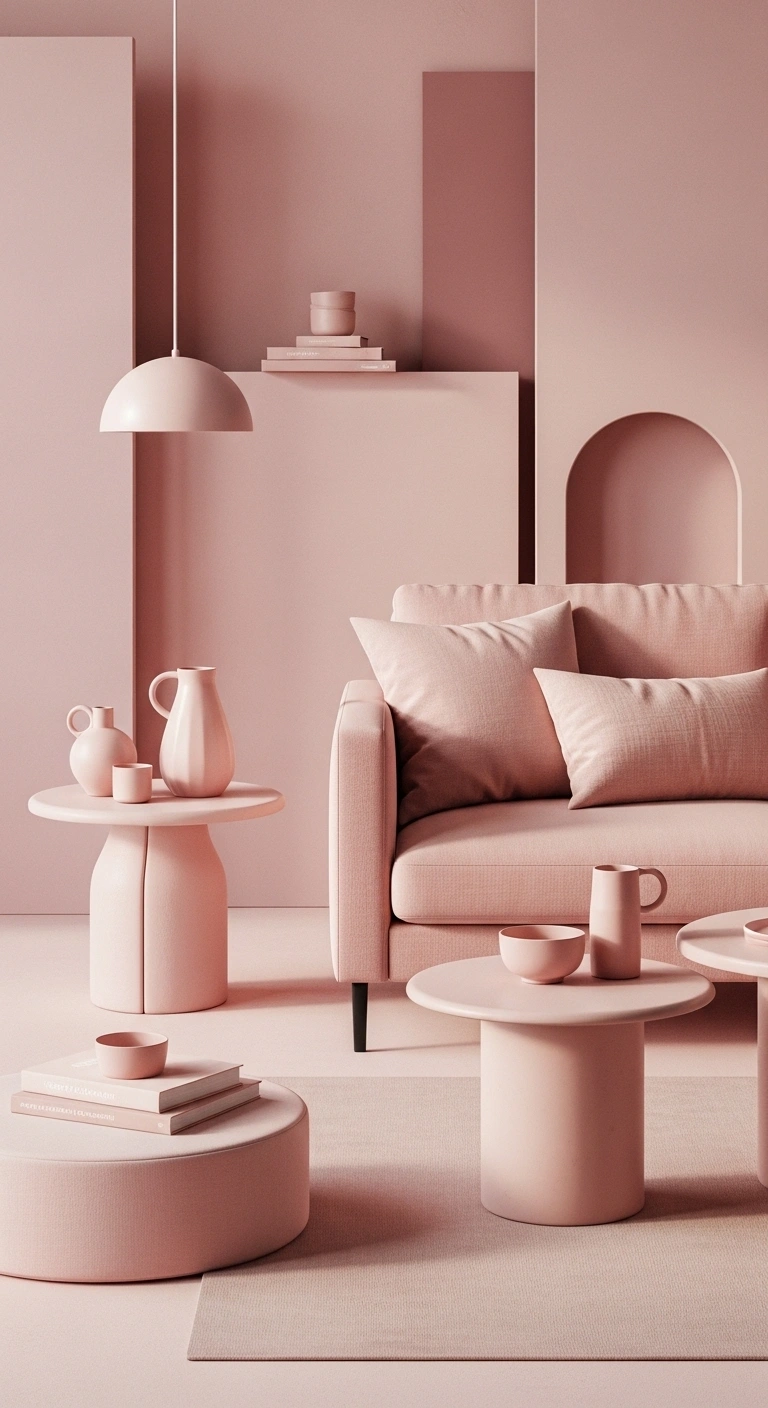
Blush pink can feel strong when you pair it with clean, structured forms. Use soft pink walls as a base, then introduce furniture with sharp lines in slightly deeper pink tones. This contrast between color softness and shape precision creates a striking balance.
Avoid overly decorative pieces. Instead, choose minimal furniture with clear edges and smooth finishes. Add subtle texture through a ribbed vase or a soft rug to keep the space from feeling flat. Lighting should be neutral to maintain the natural tone of pink. This idea transforms blush from a delicate color into a confident design choice that still feels calm and minimal.
9. Deep Navy with Layered Lighting
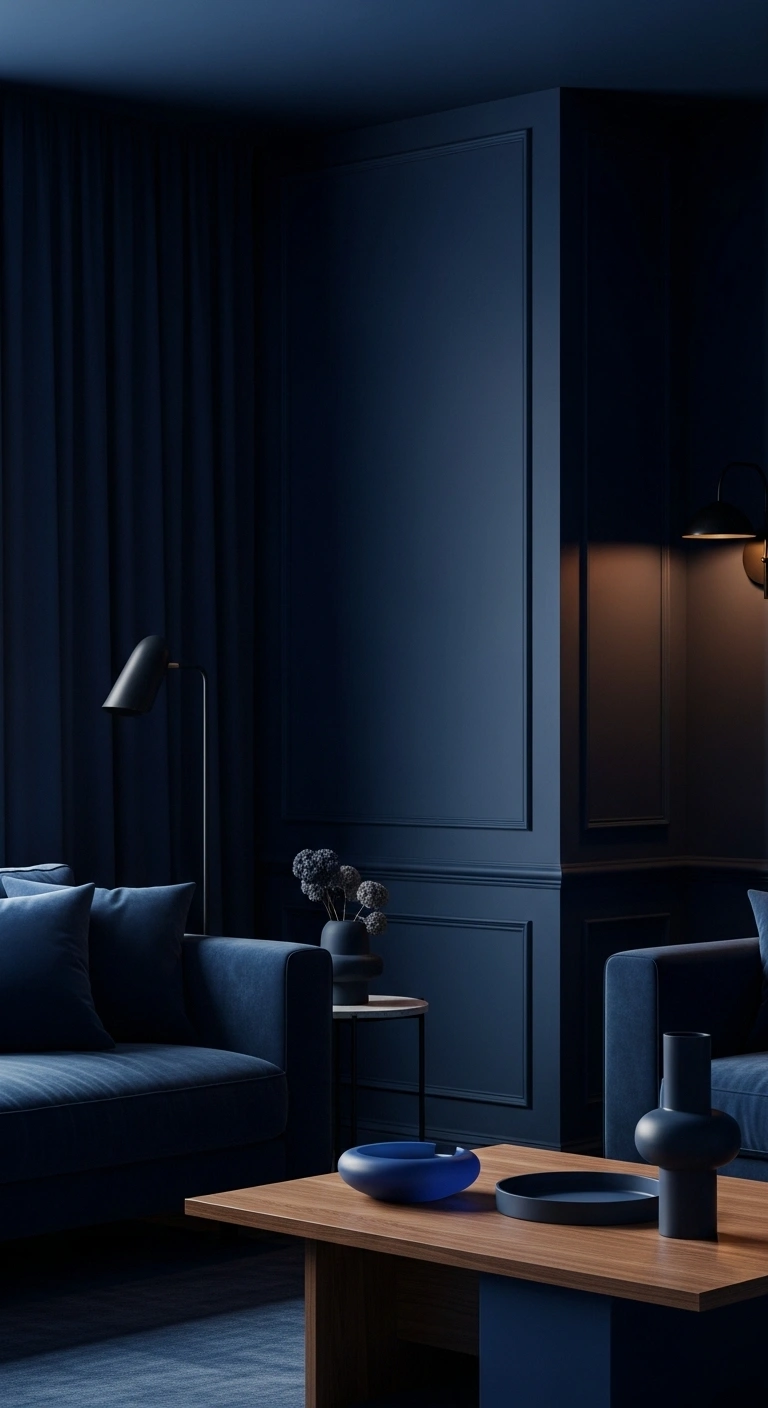
Navy blue becomes powerful when combined with thoughtful lighting. Start with deep navy walls to create a strong base. Then layer in lighter blue elements through furniture or textiles to prevent the room from feeling too dark.
Lighting is key. Use multiple light sources like floor lamps, table lamps, and wall lights to create depth and highlight different areas. Warm light works best to soften the intensity of navy. Add subtle textures like velvet or thick cotton to enhance the richness. Keep decor minimal so the color and lighting do the work. This setup creates a dramatic yet controlled space that feels both cozy and refined.
I like adding a warm table lamp alongside overhead lighting because it creates smaller pools of light that make navy walls feel softer. It also helps highlight textures and gives the room a cozy atmosphere after sunset.
10. Soft Taupe with Minimal Contrast Details
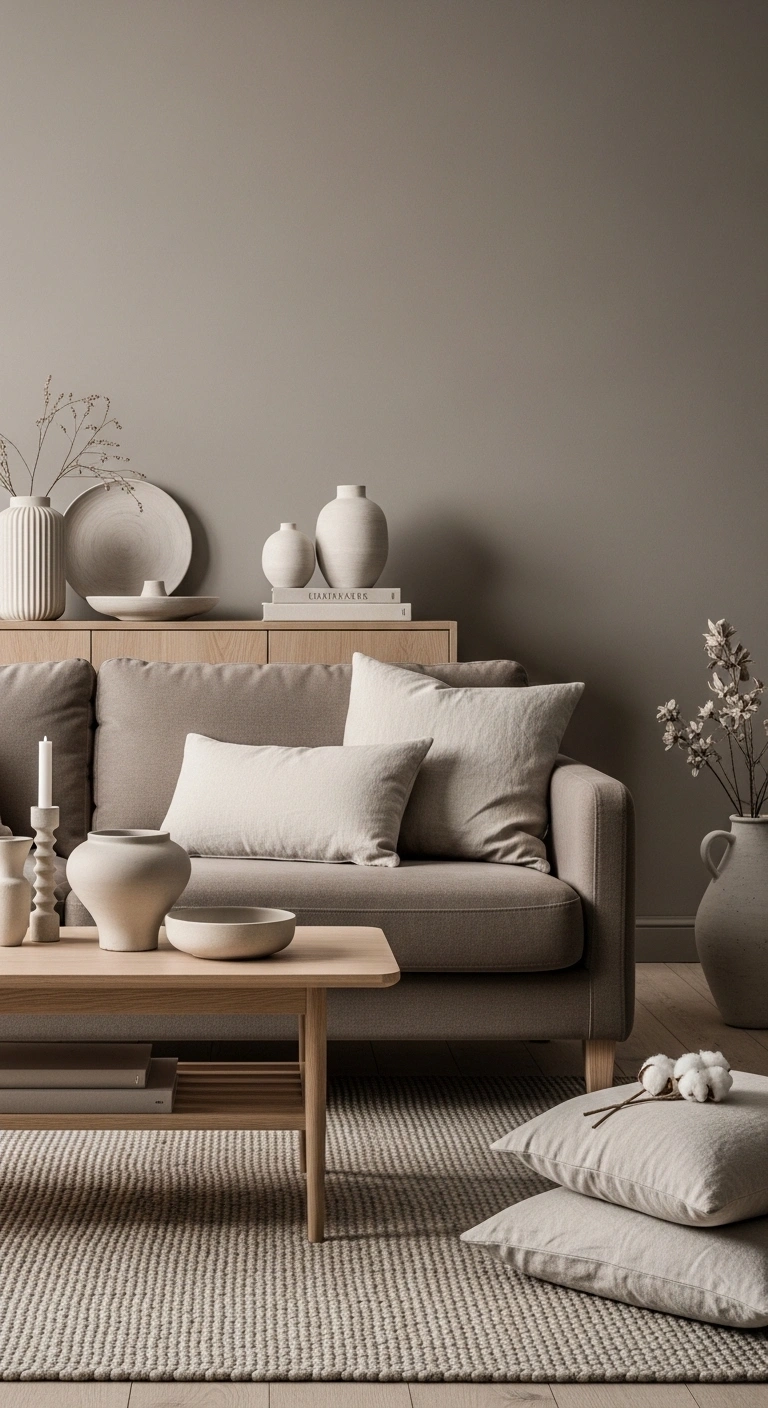
Taupe offers a perfect balance between grey and beige, making it ideal for a calm monochromatic look. Start with light taupe walls and layer in slightly darker tones through furniture. This creates a smooth and cohesive base that feels warm but not overpowering.
Add small contrast details within the same color family, such as darker stitching on cushions or subtle patterns in rugs. Use materials like suede, soft wood, and matte ceramics to introduce gentle variation. Keep lighting soft and even to maintain the calm atmosphere. Arrange furniture with plenty of space between pieces to highlight each element. This approach turns taupe into a refined, minimal palette that feels quietly striking.
11. Pure White with Architectural Lines and Shadows
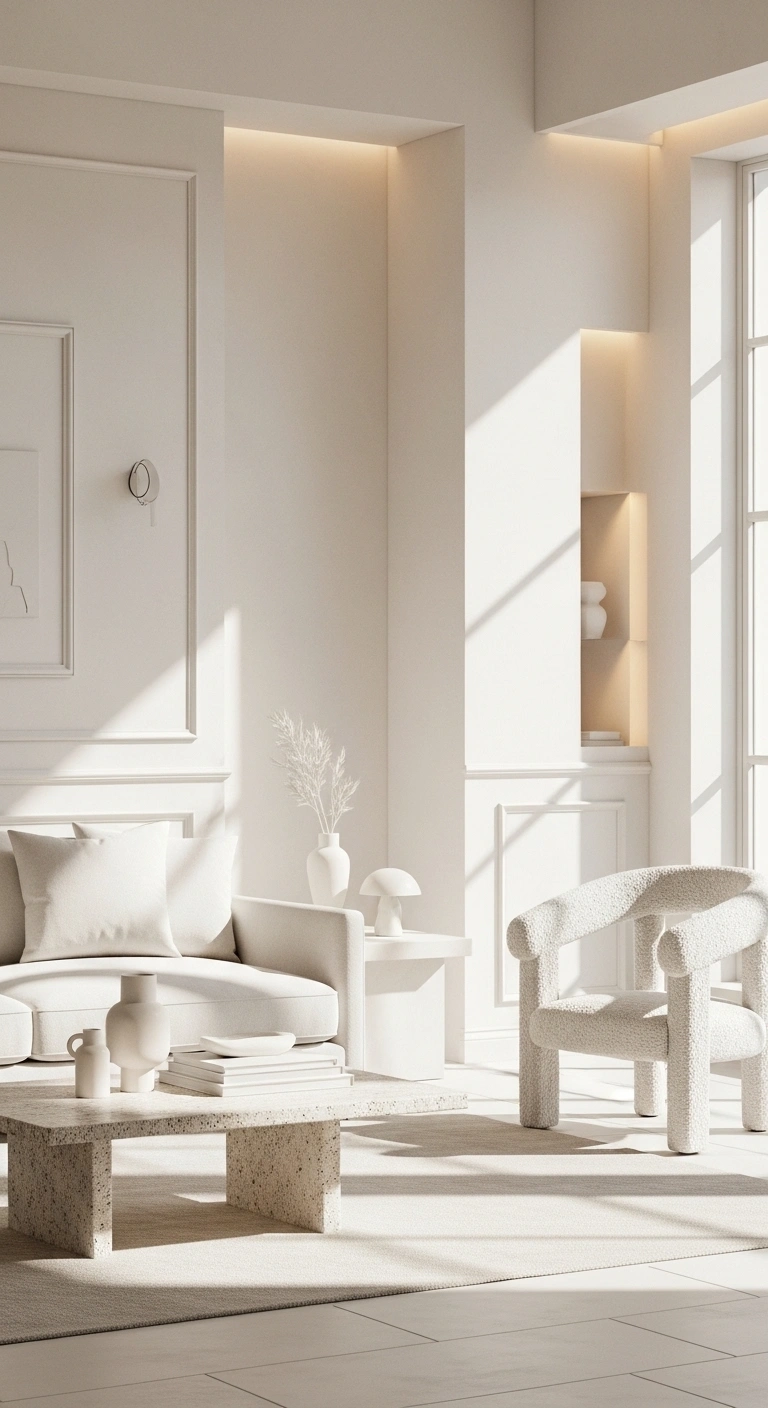
A pure white monochromatic space becomes visually powerful when you rely on structure instead of color contrast. Use crisp white walls, ceilings, and furniture as a base, but focus on architectural details like wall panels, arches, or recessed shelves. These shapes naturally create shadows that bring depth to the space without adding any new color.
Keep furniture minimal and low-profile so the structure stands out more than the decor. A white boucle chair, smooth stone table, or matte ceramic pieces can add gentle texture without breaking the palette. Natural daylight is important here because it highlights every edge and surface change. At night, use indirect lighting such as hidden LED strips or soft wall washers. This creates glowing outlines that make the room feel modern, clean, and visually layered even with a single color.
12. Sand Beige with Sunlit Warmth Layers
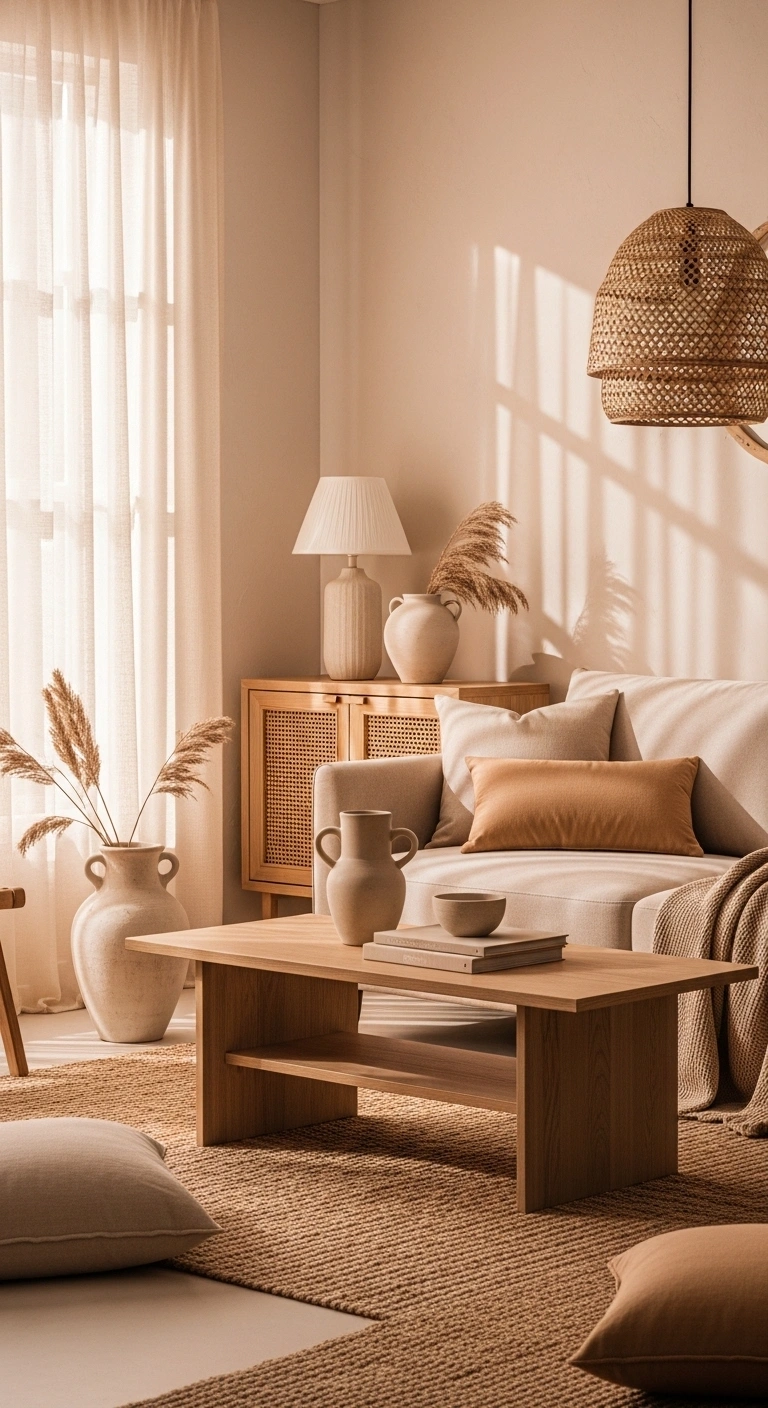
Sand beige creates a cozy and grounded atmosphere when you build layers inspired by natural light. Start with soft sandy walls and add furniture in slightly warmer beige tones. The goal is to mimic the feeling of sunlight hitting natural surfaces throughout the day.
Use materials like light wood, woven grass, and soft cotton to reinforce the organic mood. A low wooden bench, textured cushions, and simple ceramic pieces can bring variation without breaking the monochrome flow. Curtains in sheer beige fabric help diffuse sunlight and create a glowing effect inside the room. Keep the layout open so light can move freely across surfaces. This approach makes sand beige feel alive, warm, and deeply relaxing without needing bold contrast.
13. Forest Green with Layered Botanical Depth
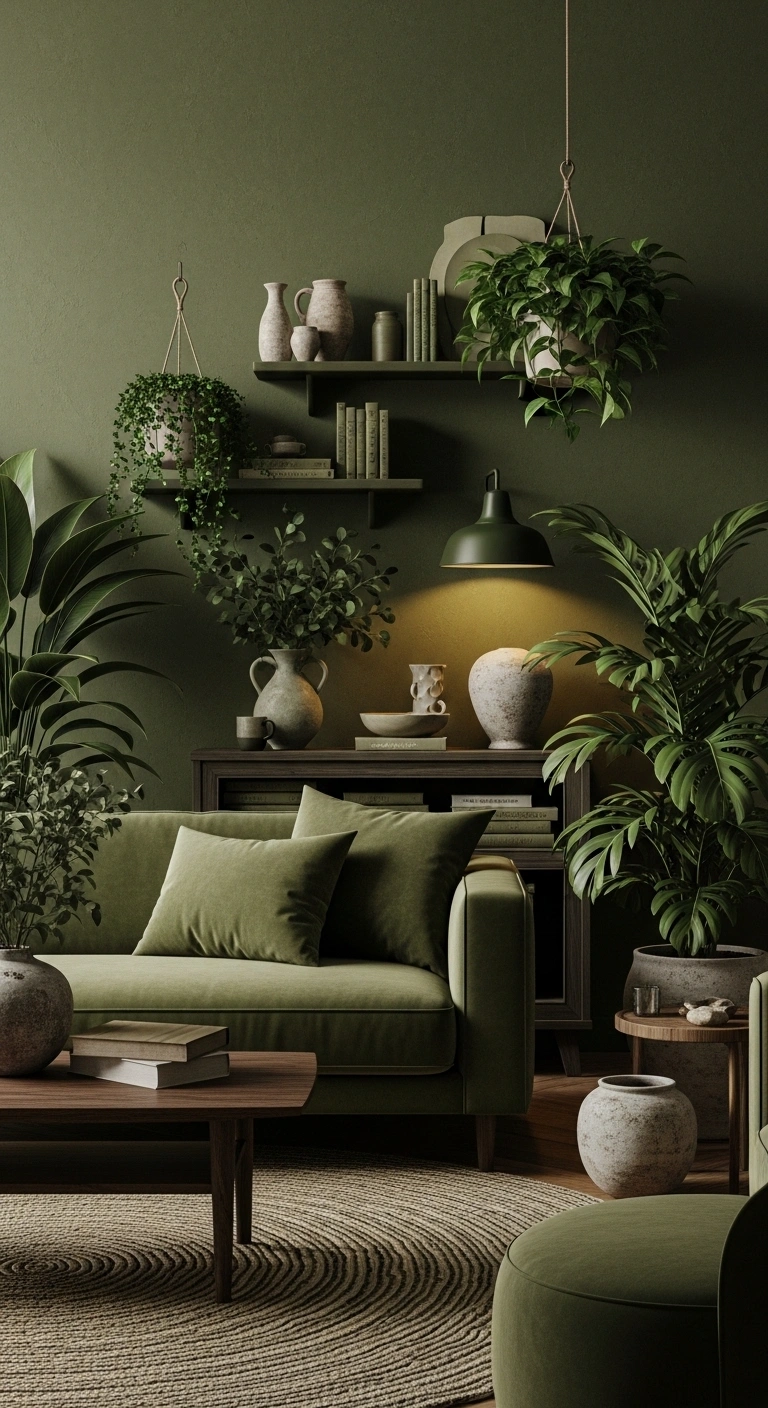
Forest green becomes rich and immersive when you layer multiple green tones and natural textures. Begin with deep green walls, then add furniture in muted olive or moss tones to create depth within the same palette. This layering makes the space feel like it naturally blends into a forest environment.
Introduce organic materials such as dark wood, stone accents, and woven textures. Indoor plants in similar green shades enhance the continuity instead of breaking it. Lighting should be warm and focused to highlight specific corners rather than flooding the room. This creates a moody yet balanced atmosphere. Keep decor minimal so the greenery and tones remain the main focus. The result is a calm, grounded space that feels connected to nature.
One thing I always reach for is a ceramic indoor planter when decorating with green tones. It gives plants a clean, finished look while blending naturally with wood and stone textures, keeping the overall style simple and connected.
14. Soft Lavender with Airy Light Flow
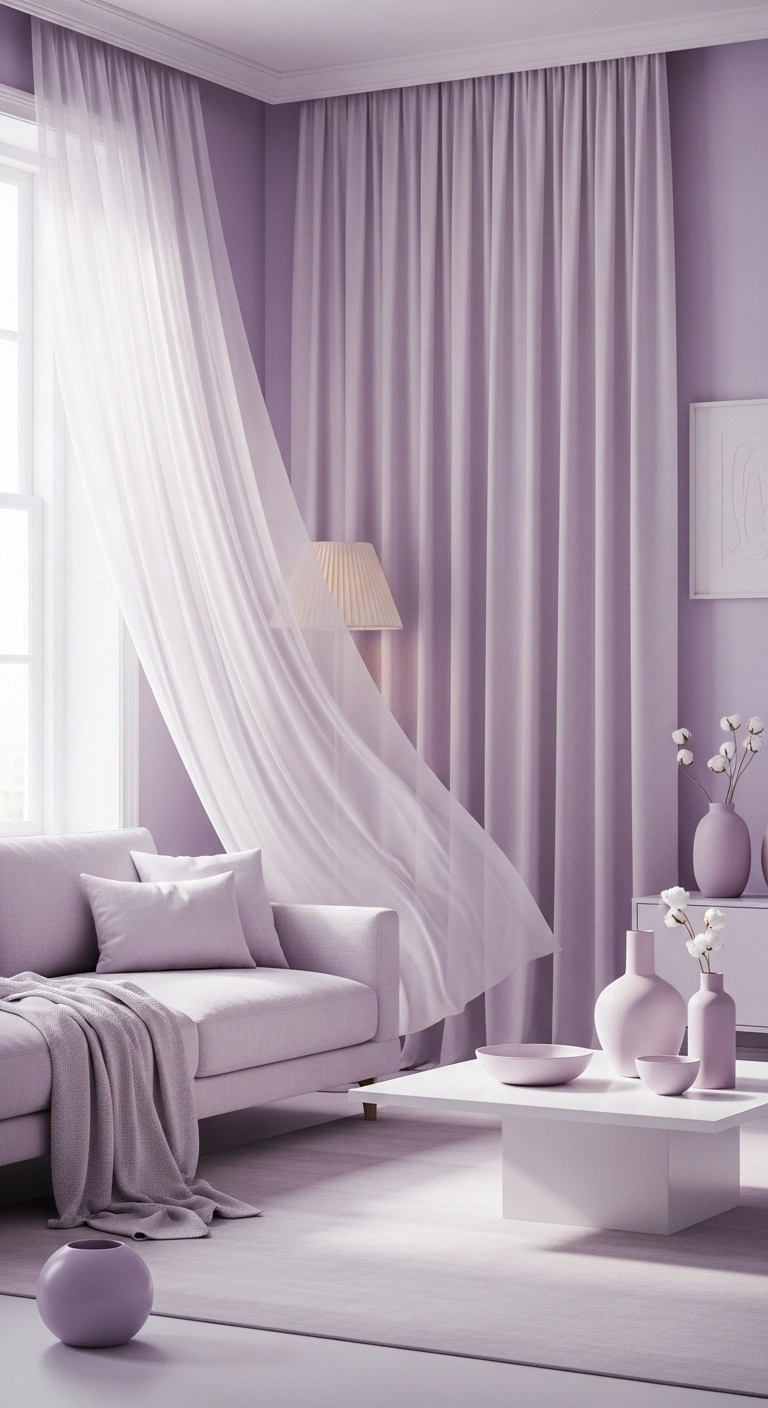
Lavender works beautifully in monochromatic design when you keep everything light and breathable. Start with pale lavender walls and add slightly deeper lavender tones in textiles like cushions, rugs, or curtains. The variation should stay soft so the room never feels heavy.
Use light fabrics such as sheer curtains, cotton throws, and linen upholstery to maintain airiness. Avoid bulky furniture and instead choose slim, clean-lined pieces. Natural light enhances lavender’s calm effect, especially in the morning. At night, use warm white lighting to soften the cool undertone. This creates a peaceful and slightly dreamy environment that still feels modern and structured.
I’ve found that a soft cotton throw blanket is an easy way to add another gentle layer without making the room feel heavy. Draped over a chair or sofa, it adds texture while keeping the relaxed lavender palette feeling light.
15. Stone Grey with Industrial Softness
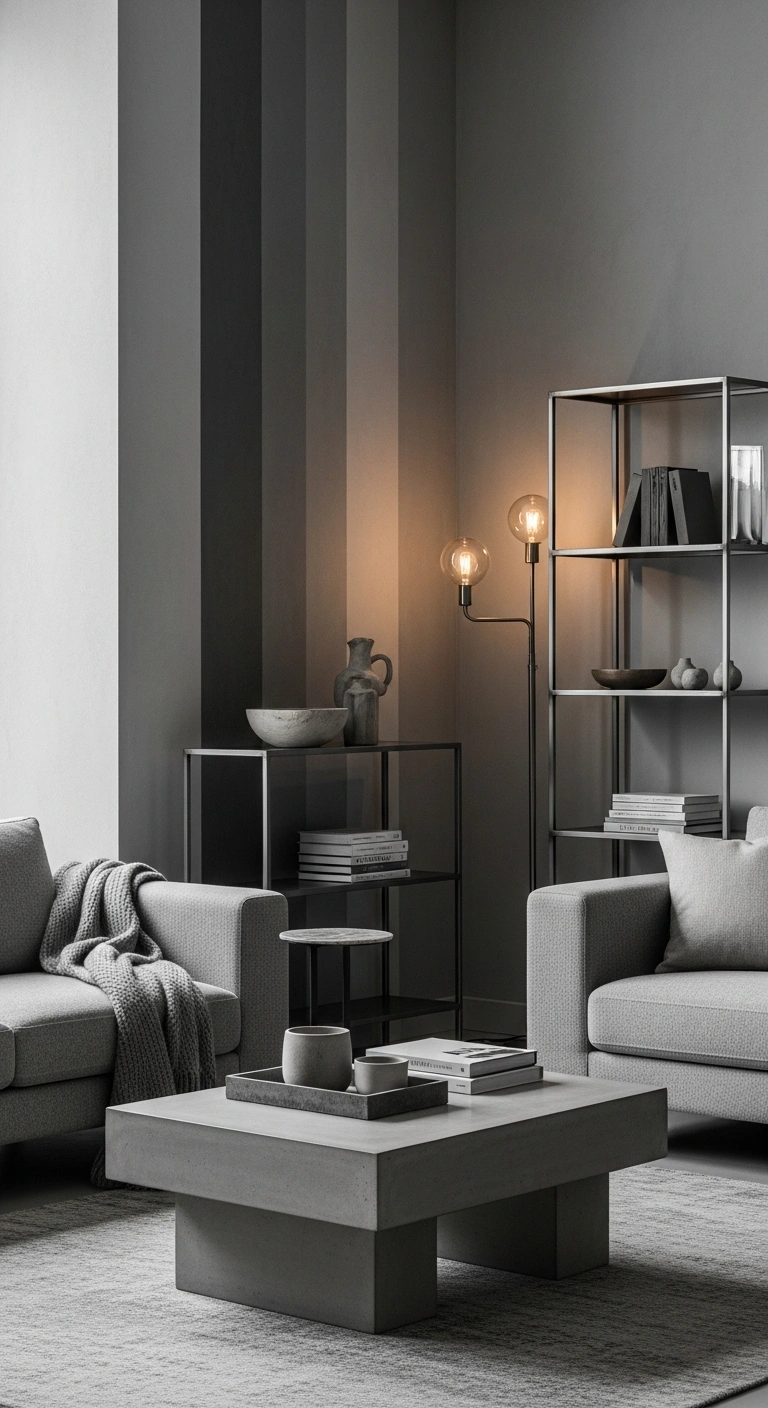
Stone grey brings a strong, grounded feel when combined with softened industrial elements. Start with medium grey walls that resemble natural stone textures. Then layer darker and lighter greys through furniture to create natural variation without introducing new colors.
Mix materials like concrete, brushed metal, and soft fabric to balance hardness and comfort. A concrete side table paired with a soft grey sofa creates a strong but livable contrast. Use warm lighting to prevent the space from feeling cold. Keep decor minimal and functional, focusing on clean shapes. This approach creates a modern industrial look that still feels calm and visually cohesive.
16. Ivory Cream with Subtle Luxury Layers
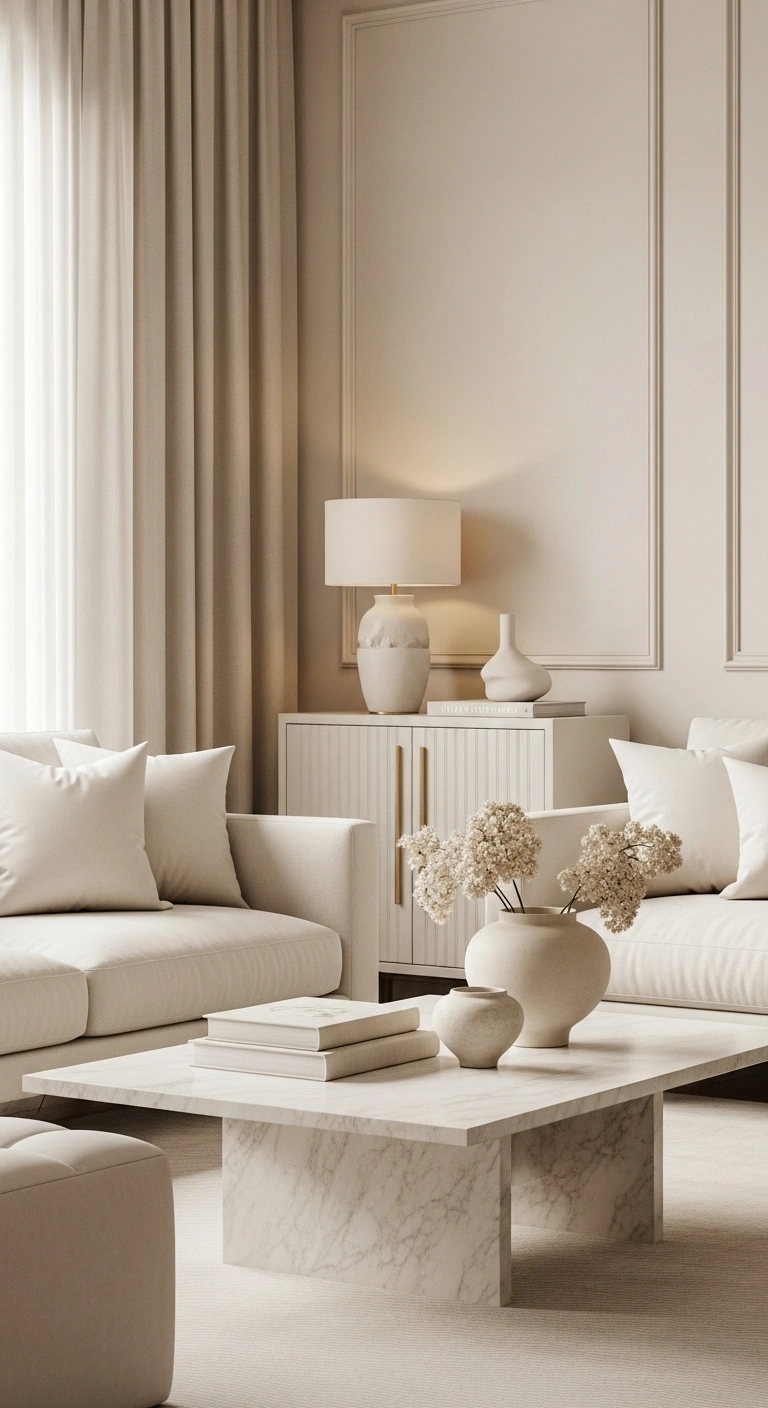
Ivory cream creates a soft, elegant environment when layered with gentle variations of warm white and cream tones. Start with ivory walls and bring in cream-colored furniture that slightly differs in shade to build depth without contrast.
Add luxurious yet simple materials like silk cushions, soft wool rugs, and matte ceramic decor. Gold accents can be used sparingly for warmth, but they should not dominate the palette. Lighting should be soft and diffused, creating a warm glow across surfaces. Keep furniture arrangement open and airy to enhance the lightness of the space. This idea feels refined, calm, and quietly luxurious without being overwhelming.
I like using a soft wool area rug to introduce warmth through texture instead of stronger colors. It helps define the room, feels comfortable underfoot, and gives cream tones a little more depth while keeping the overall look calm.
17. Slate Blue with Modern Minimal Balance
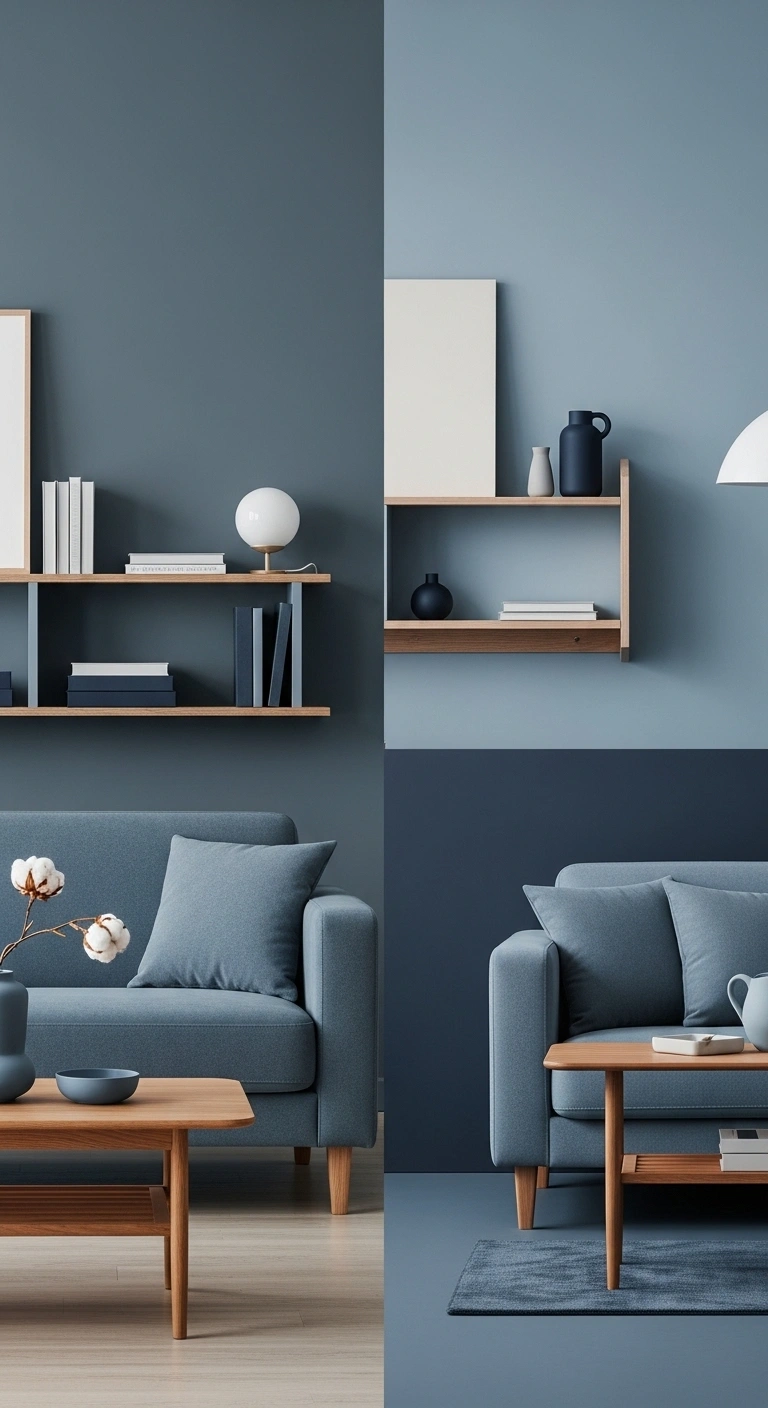
Slate blue creates a strong yet calming mood when used consistently across a space. Start with muted slate blue walls and layer in slightly lighter or darker blue furniture to maintain depth. The key is subtle variation within the same tone family.
Use materials like matte wood, smooth fabric, and light stone to balance the coolness of blue. Avoid clutter and keep surfaces clean to enhance the modern feel. Lighting should be soft and directional to highlight corners and textures. This helps the space feel structured yet relaxed. Slate blue works especially well in bedrooms or reading areas where calm focus is important.
18. Cocoa Brown with Warm Textural Contrast
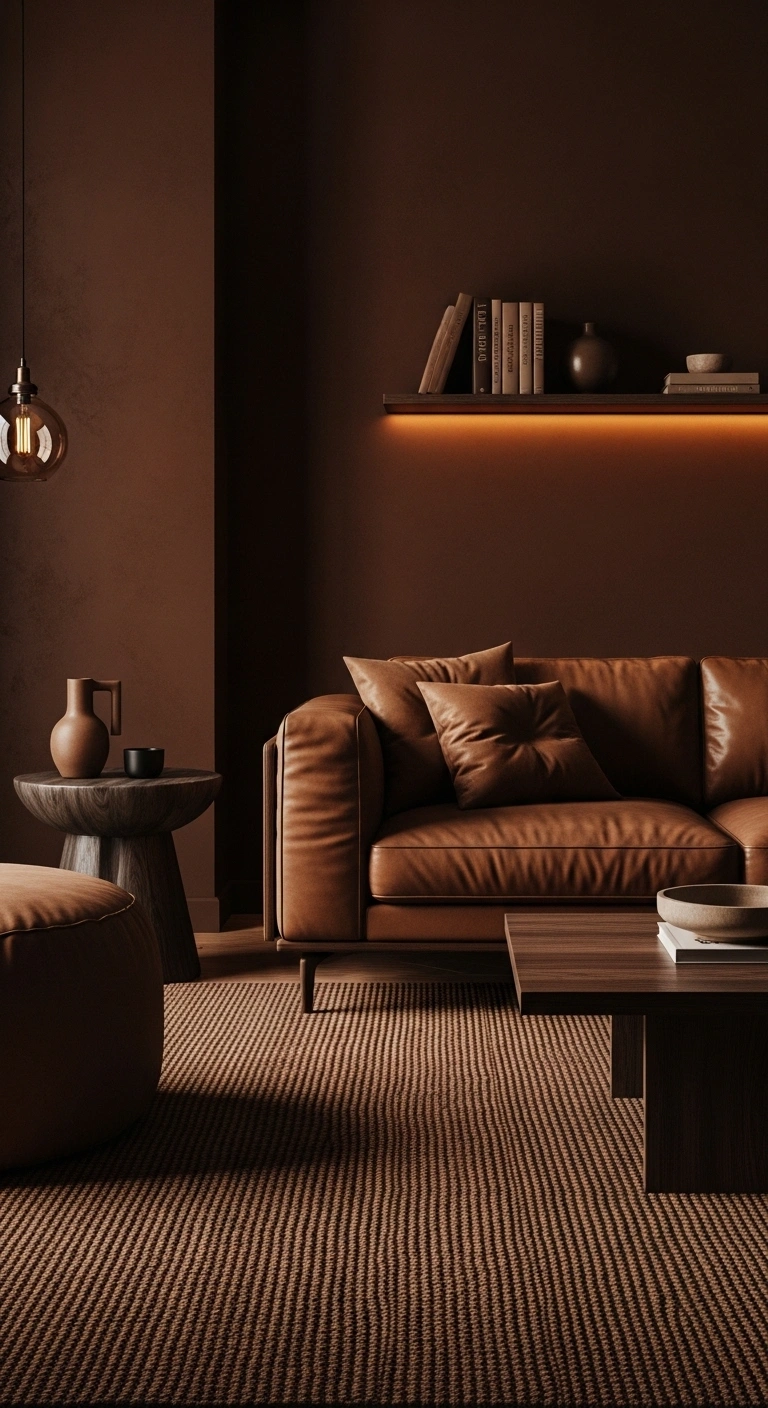
Cocoa brown adds depth and warmth when layered with rich, earthy materials. Start with chocolate-toned walls or large furniture pieces as anchors. Then bring in lighter brown and tan shades through accessories to create smooth transitions.
Use textures like leather, suede, and dark wood to strengthen the monochrome palette. A leather chair paired with a wooden table creates a strong yet cohesive visual flow. Warm lighting enhances the richness of brown tones and prevents the space from feeling too heavy. Keep decor simple and grounded. This design feels warm, stable, and naturally inviting.
19. Mist Grey with Soft Futuristic Clean Lines
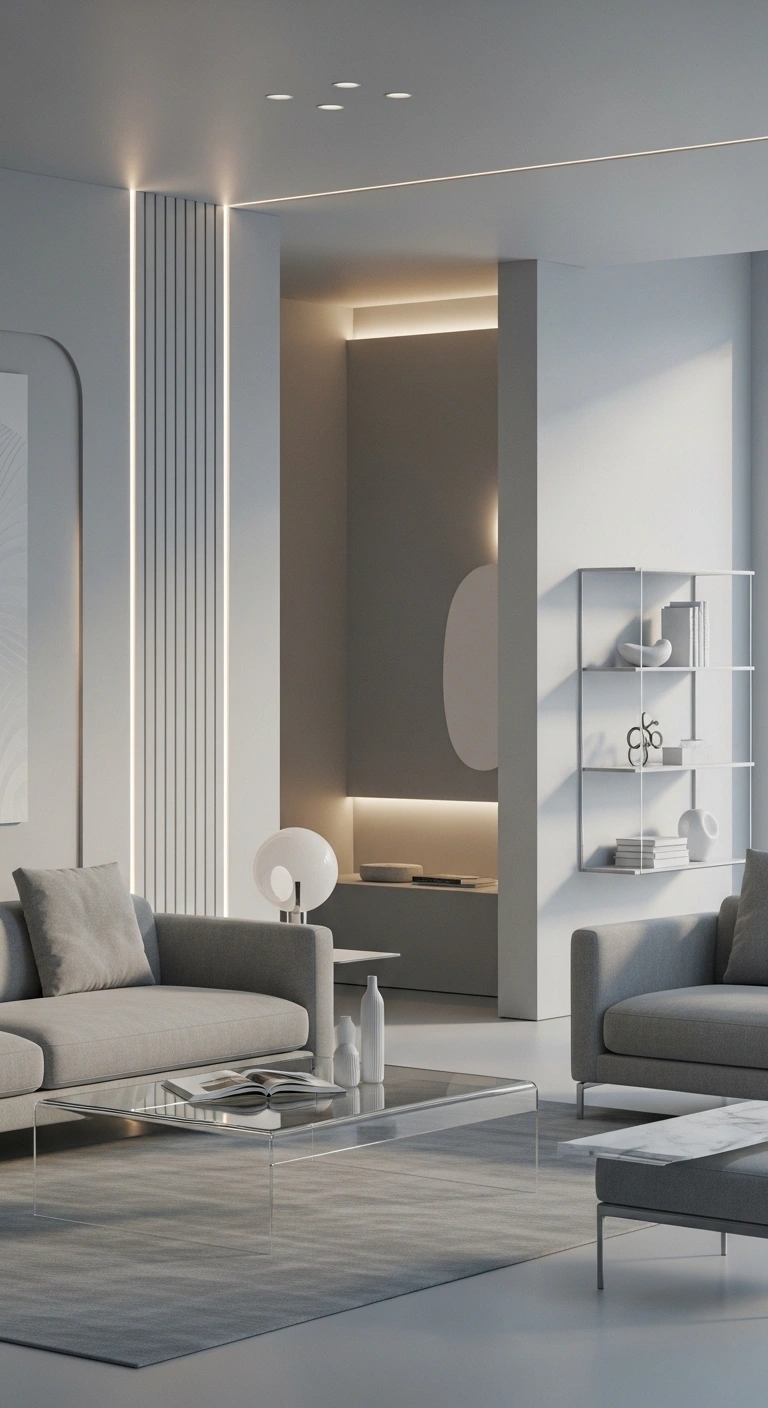
Mist grey creates a light, futuristic feel when paired with smooth surfaces and simple geometry. Start with pale grey walls and use similar tones for furniture with clean, modern shapes. Avoid heavy or ornate designs.
Incorporate materials like glass, polished metal, and smooth fabric to keep the look fresh. Subtle reflections from glass tables or metal accents add depth without introducing new colors. Use cool white lighting for a crisp, modern effect. Keep the space open and uncluttered to maintain a sense of flow. This creates a calm, almost futuristic environment that still feels comfortable.
20. Warm Mocha with Cozy Layered Depth

Mocha tones create a rich and cozy environment when layered thoughtfully. Start with medium mocha walls and add deeper brown furniture for grounding. Then introduce lighter mocha accents to build smooth transitions across the space.
Focus on soft textures like knitted throws, velvet cushions, and woven rugs. These elements prevent the space from feeling flat while staying within the same color family. Warm lighting is essential here, as it enhances the depth and comfort of brown tones. Keep furniture simple but substantial. This design feels cozy, grounded, and visually warm without needing multiple colors.
One thing I always reach for in brown-toned spaces is a chunky knit throw blanket. It brings extra texture to a sofa or chair and makes the different mocha shades feel richer without adding visual clutter.
21. Pale Mint with Fresh Minimal Energy
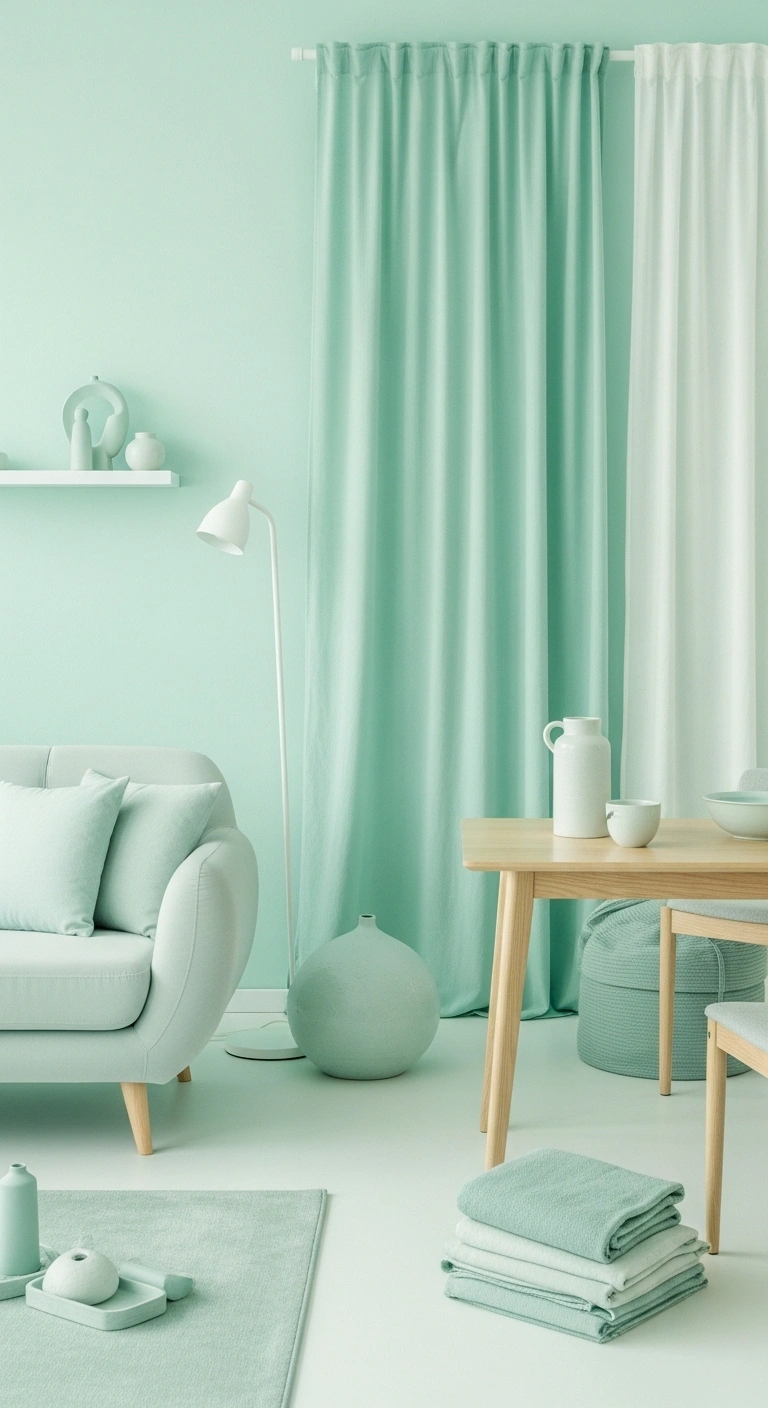
Pale mint brings freshness when used in soft, layered tones. Start with light mint walls and introduce slightly deeper mint accents through furniture or decor. The goal is to keep everything airy and refreshing.
Use light materials like cotton, glass, and pale wood to maintain brightness. Avoid heavy textures or dark accents. Natural light enhances the freshness of mint, especially in daytime settings. At night, soft warm lighting can balance the cool tone. Keep the layout simple and open. This creates a clean, uplifting environment that feels modern and light.
22. Graphite Grey with Bold Minimal Depth
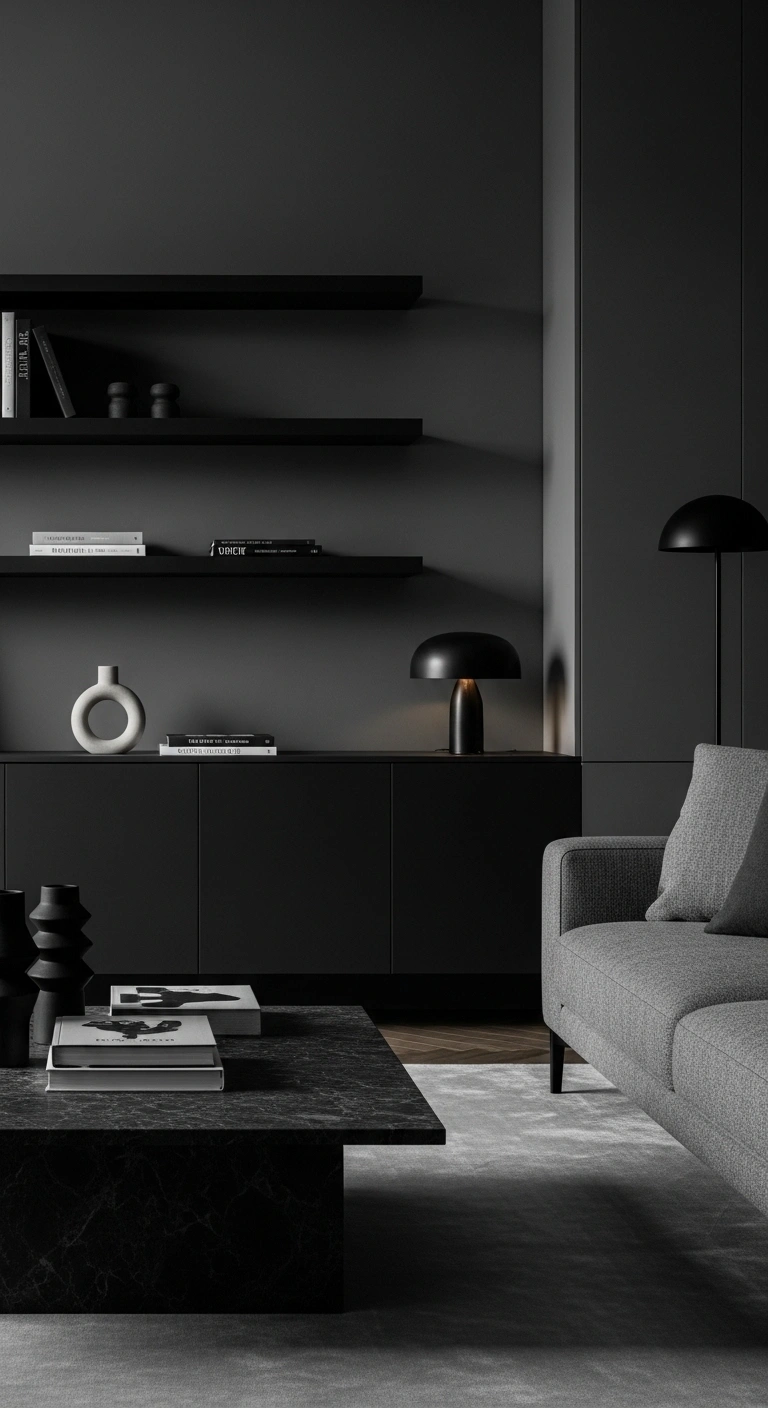
Graphite grey creates a strong visual base when used in a layered monochrome approach. Start with deep grey walls and build lighter grey furniture into the space to create depth within a dark palette.
Use matte finishes to keep the look modern and avoid excessive shine. Add subtle texture through fabric or stone surfaces. Lighting should be carefully placed to highlight structure and prevent the room from feeling too heavy. Keep decor minimal and intentional. This creates a bold, grounded space that feels sophisticated and controlled.
23. Warm Almond with Soft Natural Flow

Almond tones create a gentle and natural look when layered carefully. Start with soft almond walls and add slightly darker beige furniture for subtle variation. The transition should feel smooth and effortless.
Use natural materials like light wood, cotton, and woven textures to reinforce warmth. Keep furniture simple and low-profile to maintain flow. Soft lighting enhances the natural warmth of almond tones. This design feels calm, organic, and easy to live in without visual noise.
24. Smoky Plum with Elegant Depth
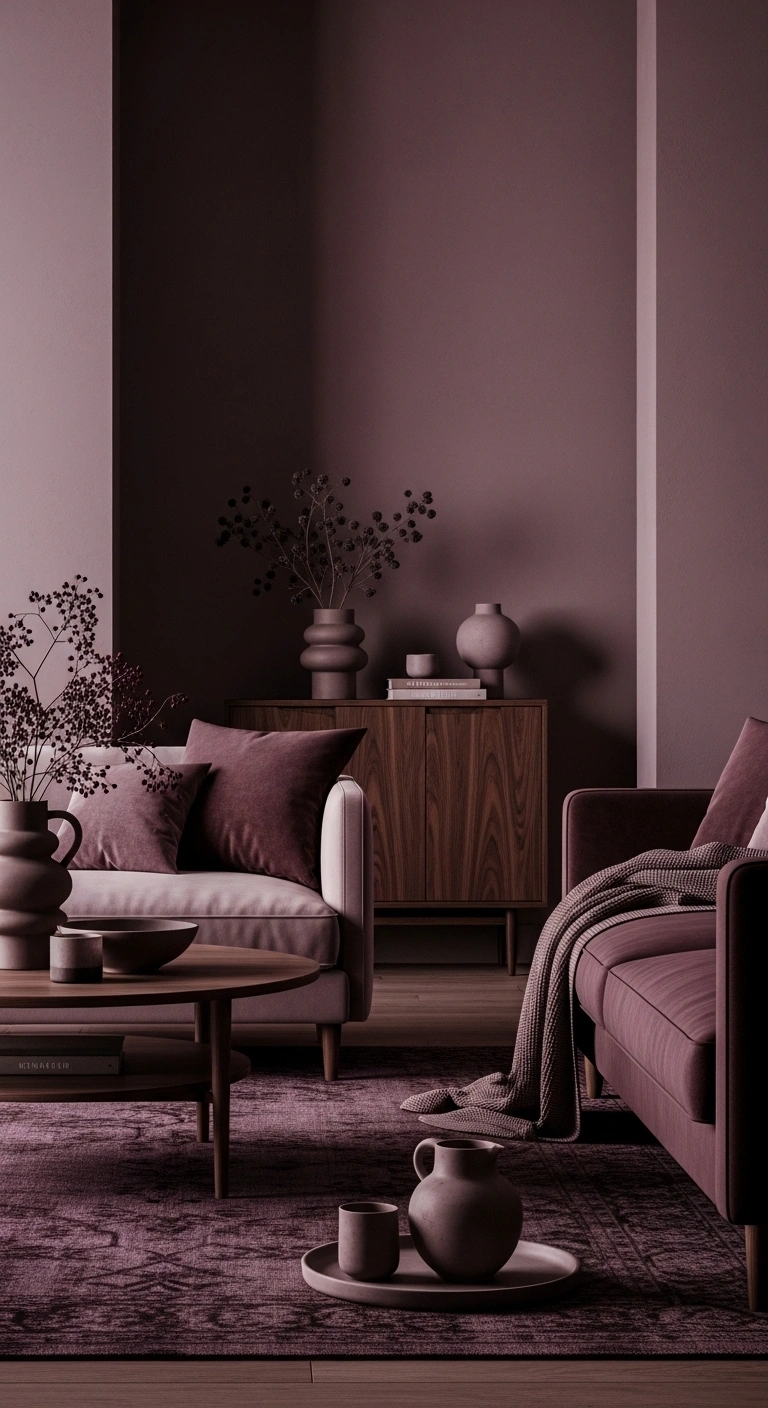
Smoky plum offers a rich and unexpected monochromatic option. Start with muted plum walls and layer in slightly lighter plum tones through furniture and textiles. The key is to keep the saturation soft and balanced.
Use velvet, matte wood, and soft fabrics to enhance depth without overwhelming the space. Lighting should be warm and gentle to soften the richness of plum. Keep decor minimal and focused on form. This creates an elegant, moody space that feels unique, stylish, and visually memorable.
I like finishing this style with velvet throw pillow covers because they catch light differently from other fabrics. That subtle texture makes plum tones feel deeper and more layered while keeping the room quiet and refined.
Conclusion
Monochromatic design is not about using one flat color everywhere. It is about building depth through shades, textures, lighting, and materials within the same color family. Each idea you explored shows how a single color can feel layered, modern, and visually rich when styled with intention.
From soft neutrals to bold dark tones, these 24 ideas prove that minimal design can still be powerful and striking. Try mixing textures, adjusting lighting, and experimenting with subtle shade variations in your own space. Save your favorite ideas and start small—because even one well-styled monochromatic corner can completely change how a room feels.