22 Timeless Vintage Living Room Ideas with Soul

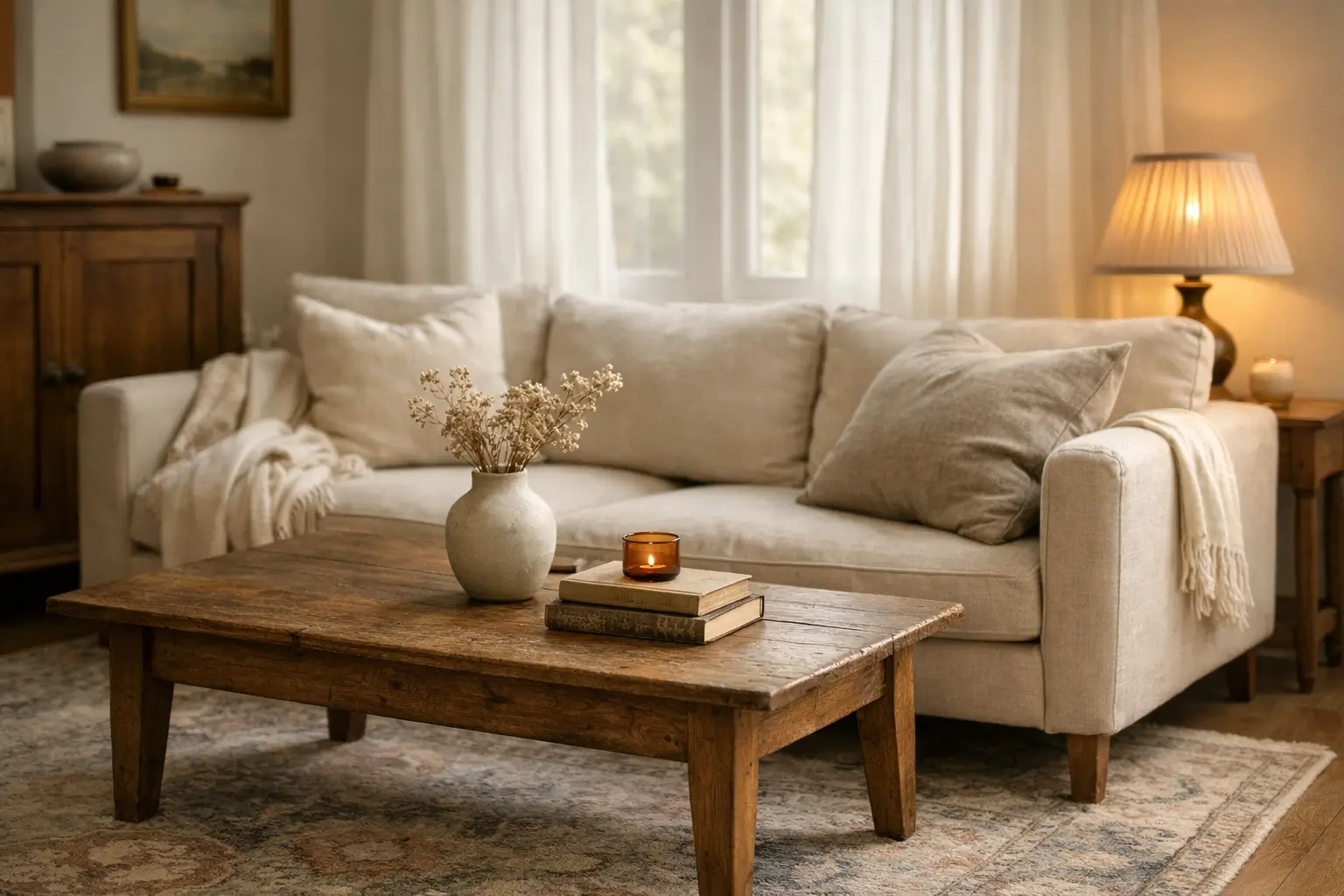
A vintage living room should feel warm, layered, and full of stories. It is not about filling a space with old items. It is about mixing history with comfort in a way that feels natural and lived in. If your room feels flat or too modern, adding vintage soul can bring depth, personality, and a cozy feeling that never goes out of style.
In this guide, you will find timeless vintage living room ideas that go beyond the usual. Each idea focuses on texture, color, layout, and lighting so you can actually recreate the look in your own home. These are practical, visual, and easy to imagine—perfect for saving and trying later.
1. Layered Neutrals with Aged Wood Warmth
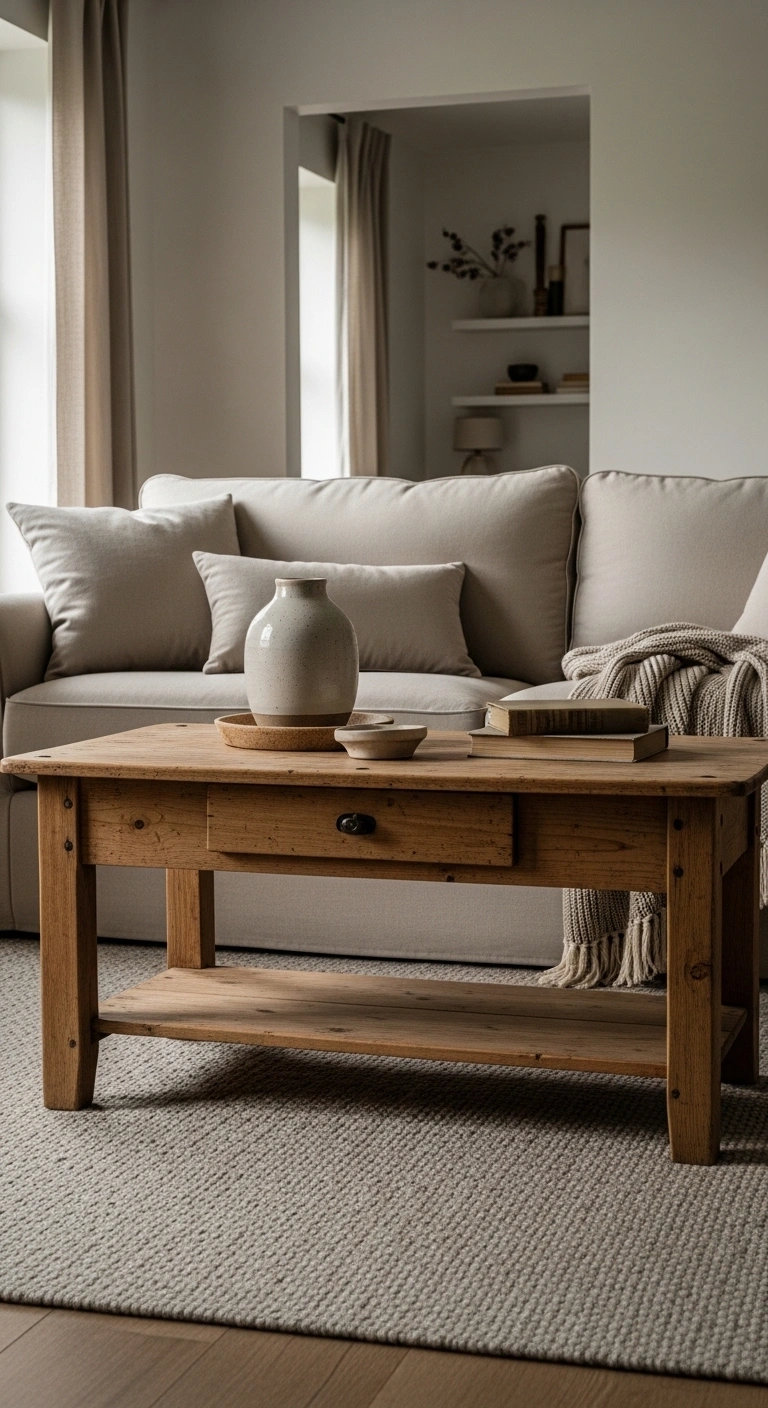
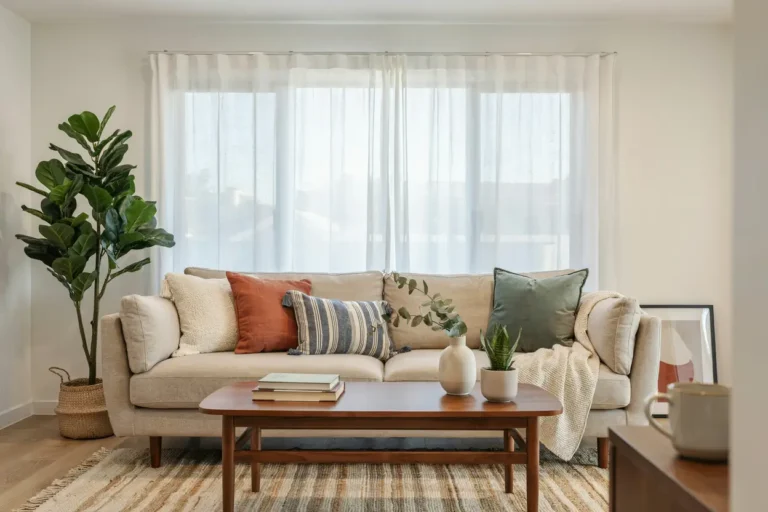
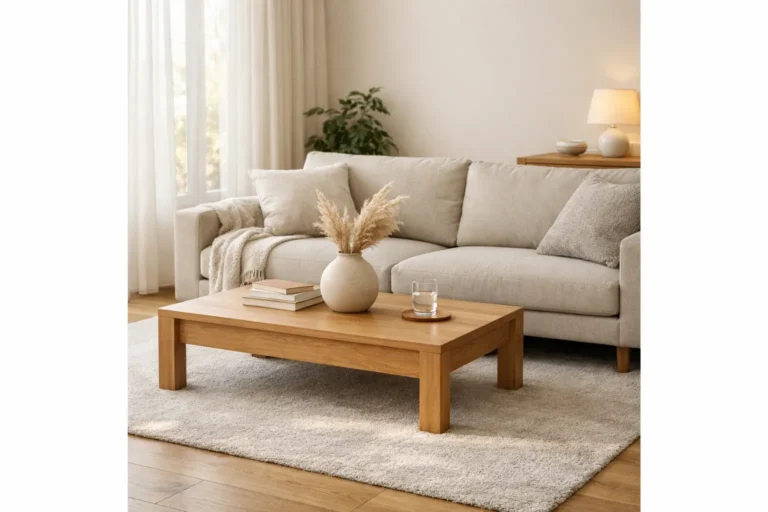
Start with a calm base of soft neutrals like warm beige, muted cream, and dusty taupe, then build depth using aged wood tones. Think of a worn coffee table with visible grain, paired with linen sofas and slightly faded cushions. This combination creates a quiet vintage feel without looking heavy or outdated.
To make this idea work, mix textures instead of adding more colors. Use a chunky knit throw, a lightly distressed wooden side table, and soft woven curtains that filter sunlight. Let natural light highlight imperfections in the wood, because that is where the charm lives. Avoid matching everything perfectly. A slightly uneven finish or a gently worn edge adds character and makes the space feel authentic rather than staged.
2. Antique Mirror as a Light Anchor
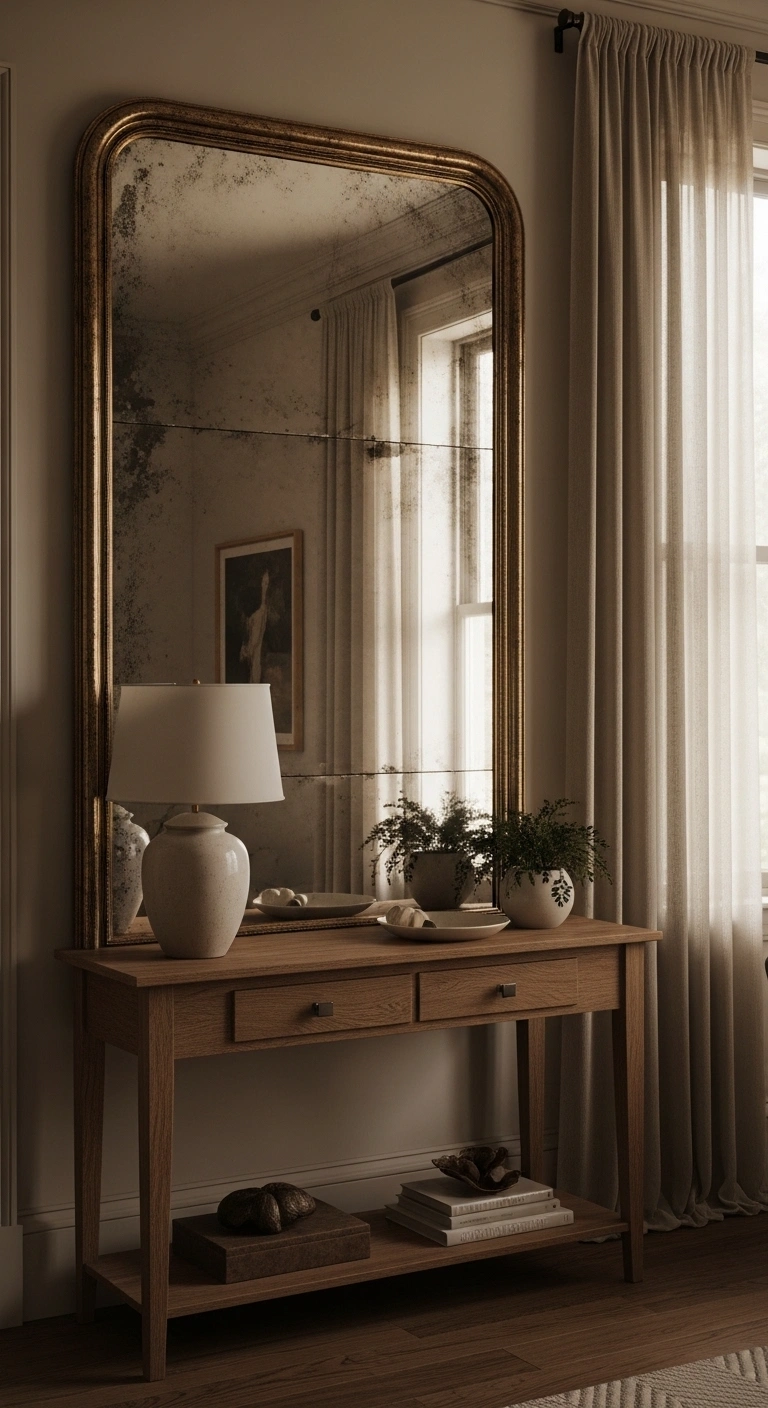
A large antique mirror can transform your living room by bouncing light and adding instant history. Choose one with a slightly tarnished finish or a detailed frame in gold or bronze. Place it above a console or fireplace where it can reflect natural light during the day and warm lighting in the evening.
This idea works best when you keep the surrounding decor simple. Let the mirror be the focal point. Pair it with a small stack of vintage books, a ceramic vase, or a soft glowing lamp. The reflection creates depth, making even a small room feel larger and more open. Avoid overly polished mirrors. The slight imperfections in antique glass create a soft, dreamy effect that modern mirrors cannot replicate.
3. Mixed Fabric Seating for Soft Contrast
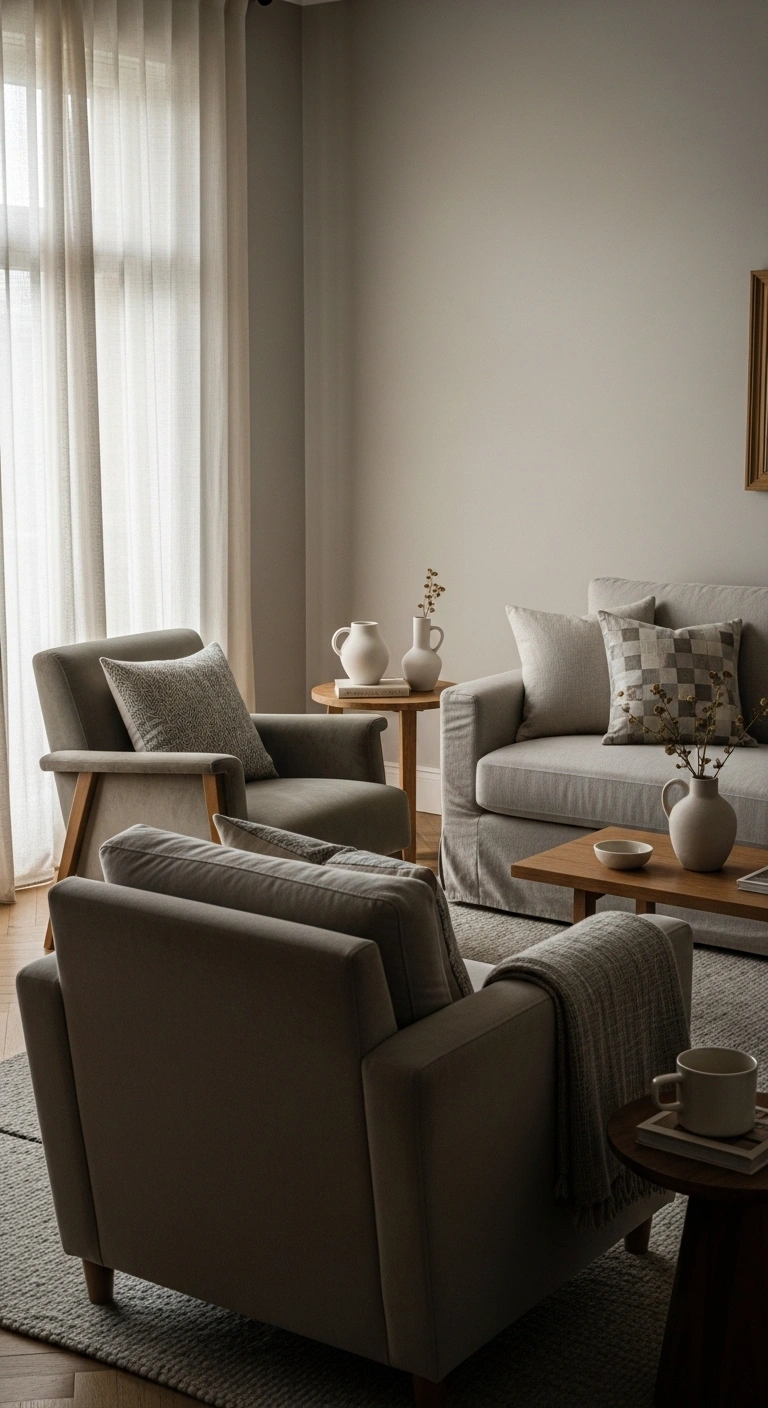
Instead of matching sofas and chairs, mix different fabrics to create a collected-over-time look. Pair a linen sofa with a velvet armchair or add a floral upholstered chair next to a neutral couch. This contrast adds visual interest without making the space feel chaotic.
Keep the color palette connected so the mix feels intentional. For example, use soft earthy tones like olive, rust, and cream across all pieces. Add cushions that blend patterns and solids for balance. The key is comfort and personality. Each seating piece should feel like it has its own story while still fitting into the room. This approach makes your living room feel more inviting and less like a showroom.
4. Vintage Rugs with Faded Patterns
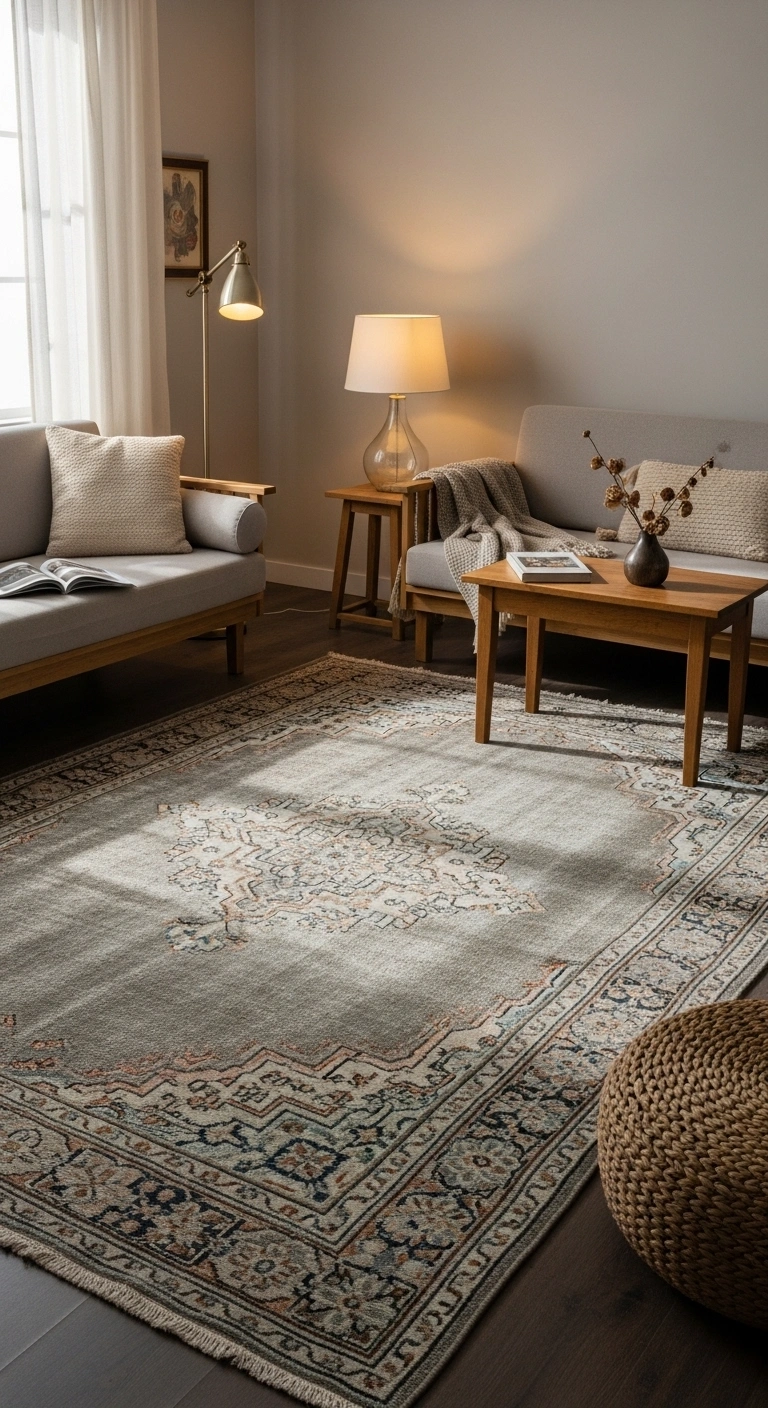
A slightly faded vintage rug can ground your entire living room and set the tone for everything else. Look for rugs with soft, worn patterns in muted reds, blues, or earthy tones. These colors blend easily with both light and dark furniture.
Place the rug so it connects your seating area, not just sits under a table. Let the edges extend beyond the furniture to create a relaxed, layered look. Pair it with simple furniture so the rug stands out without overwhelming the space. The worn look adds softness and removes the stiffness that new rugs sometimes bring. It instantly makes the room feel lived in and welcoming.
5. Soft Lighting with Warm Glow Layers
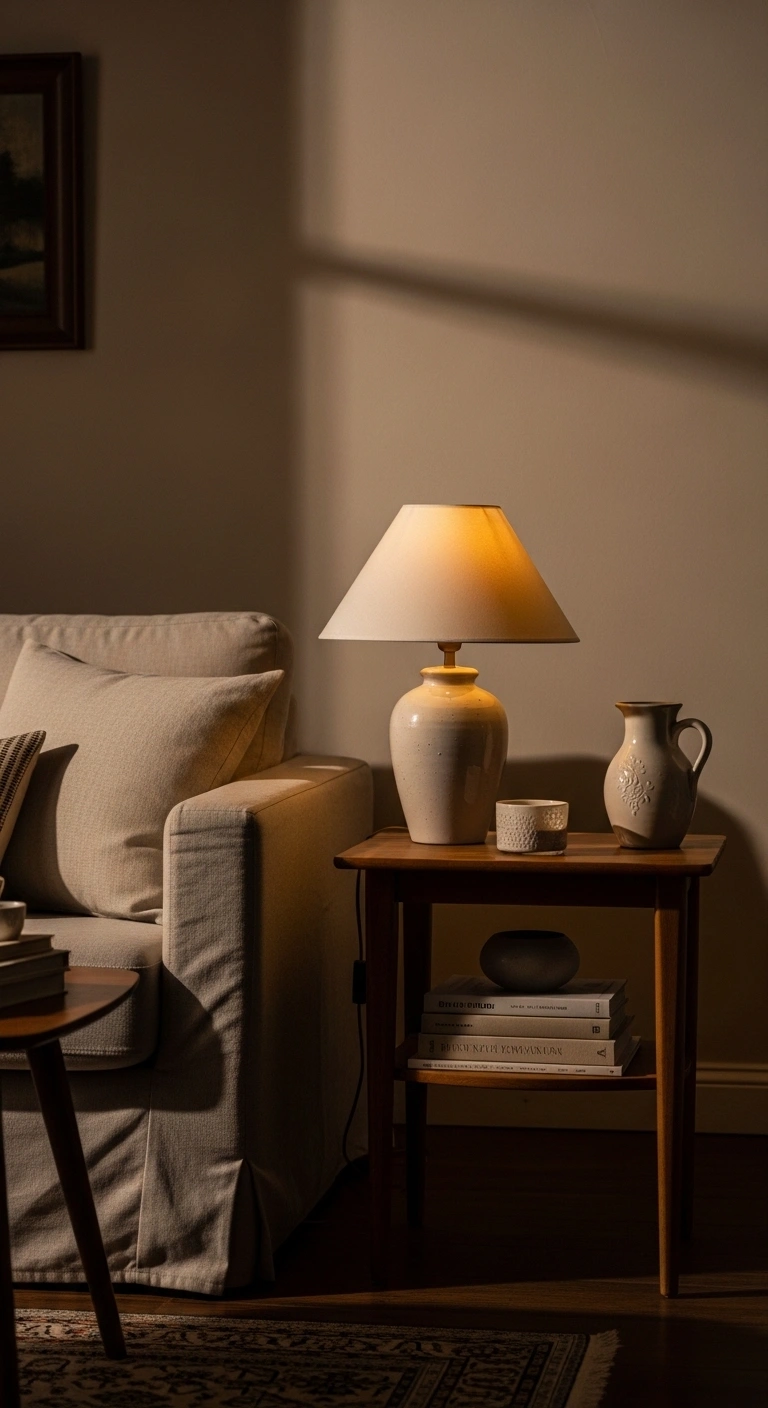
Lighting shapes the mood of a vintage living room more than anything else. Instead of one bright overhead light, use multiple soft light sources. Table lamps with fabric shades, floor lamps with warm bulbs, and even wall sconces can create a cozy atmosphere.
Choose warm-toned bulbs that give off a golden glow rather than a harsh white light. Place lights at different heights to create depth and gentle shadows. This layering effect makes the room feel calm and intimate, especially in the evening. Vintage-style lamps with ceramic or brass bases work beautifully here. The goal is to make the room feel like a quiet retreat rather than a brightly lit space.
6. Gallery Wall with Personal History
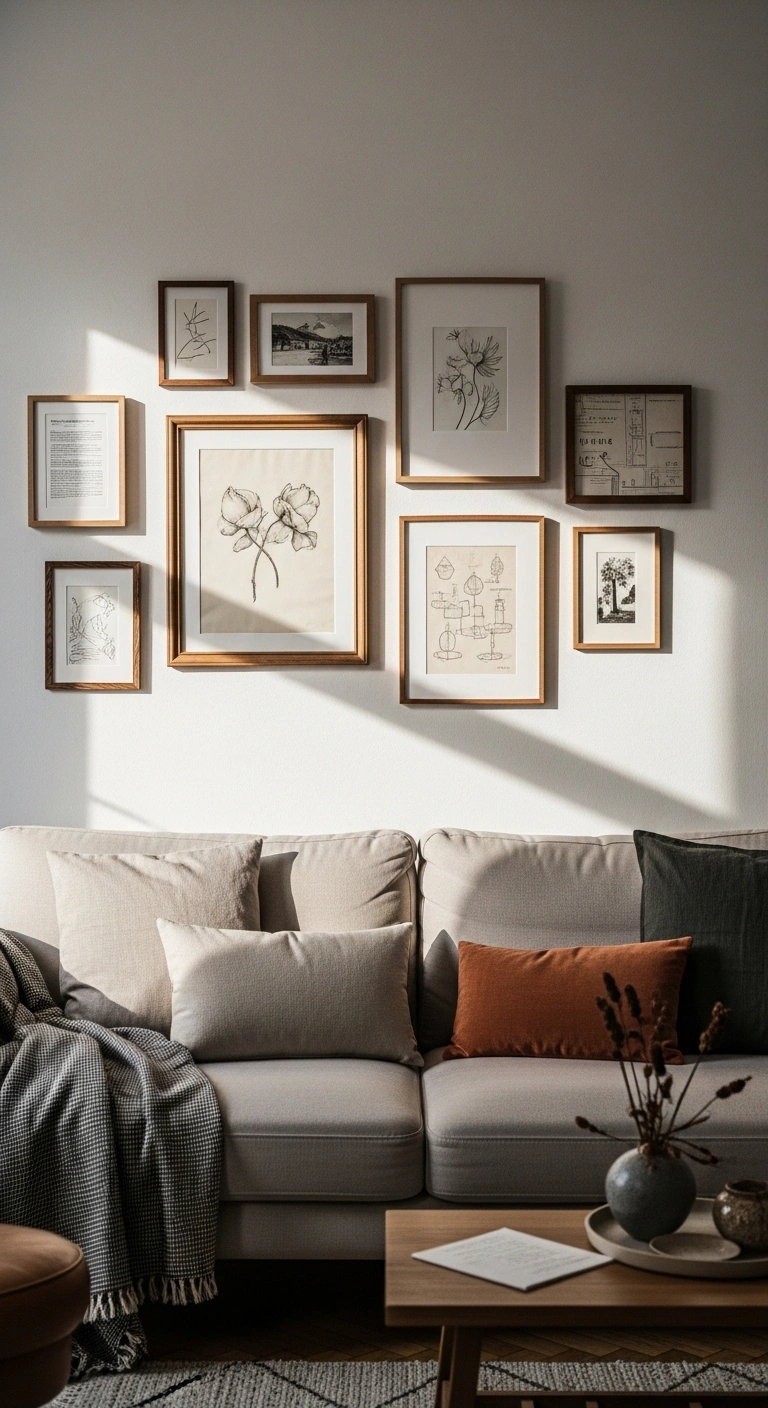
Create a gallery wall that feels personal rather than perfectly curated. Use a mix of vintage frames in different sizes and finishes like wood, gold, and black. Fill them with old photographs, sketches, or even pages from antique books.
Arrange them in a slightly imperfect layout to keep the look relaxed. Start with one central piece and build around it. The mix of frames and images adds depth and character to your wall. This idea works well above a sofa or along a hallway wall connected to the living room. The key is to make it feel meaningful, not decorative. Each piece should look like it belongs there for a reason.
7. Worn Leather Accents for Depth
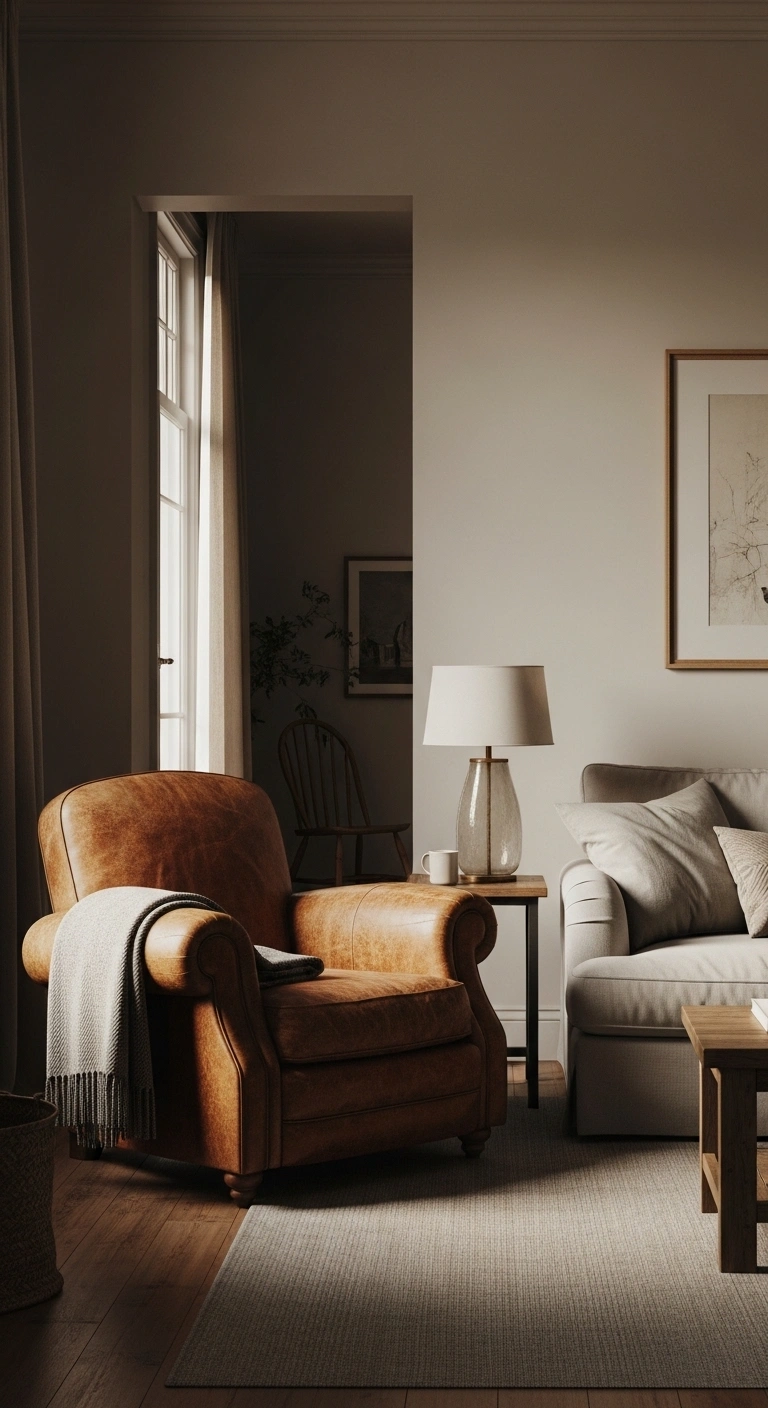
Adding worn leather pieces can instantly bring richness to your living room. A vintage leather armchair, a small ottoman, or even leather-bound books can add warmth and texture. The slightly aged look of leather makes the space feel grounded and timeless.
Pair leather with softer materials like linen or cotton to balance the heaviness. For example, place a leather chair next to a light fabric sofa or add a soft throw over it. The contrast keeps the room from feeling too dark or heavy. Over time, leather develops a natural patina, which adds even more character. This makes it a long-lasting and practical choice.
8. Floral Patterns with Muted Tones
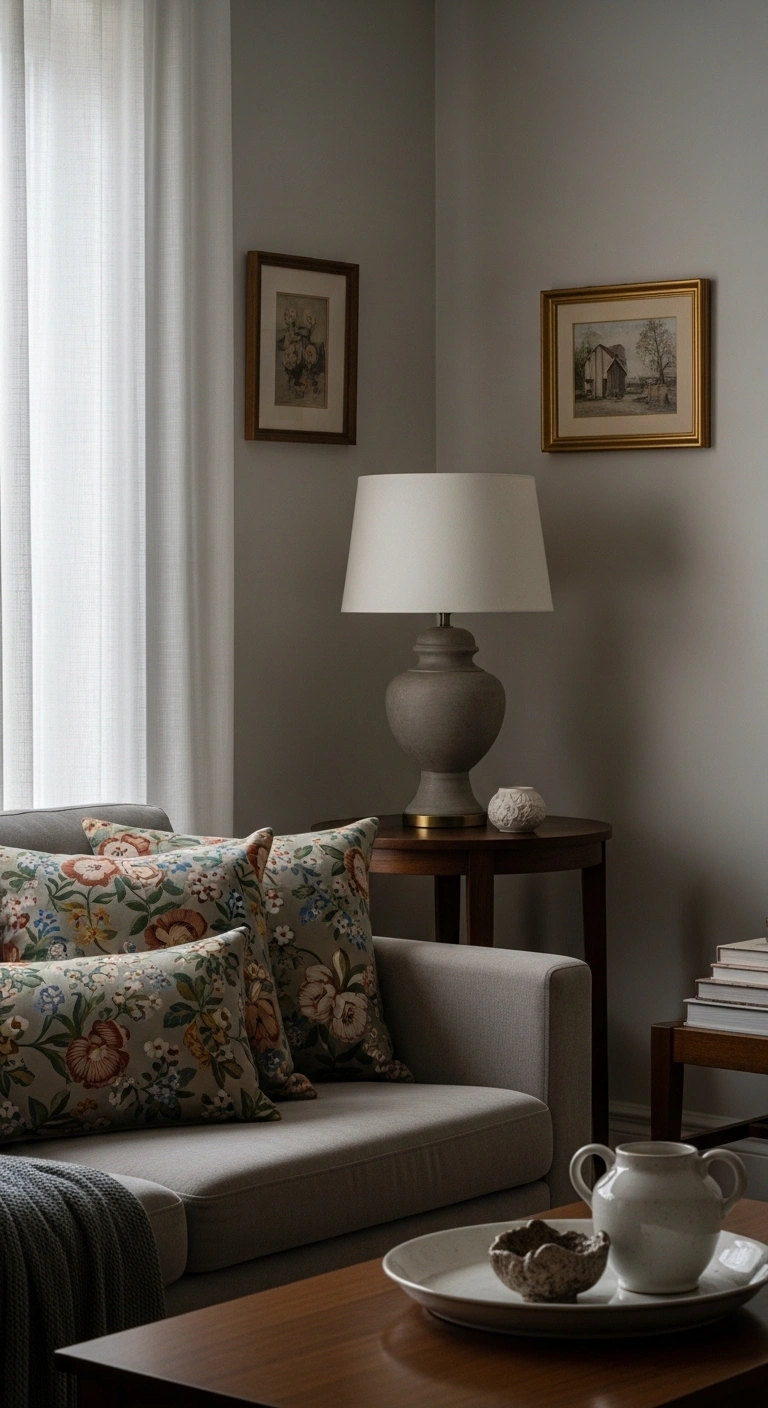
Floral patterns are a classic vintage element, but the key is to keep them soft and muted. Choose faded prints in dusty pink, sage green, or pale blue instead of bright, bold colors. Use them on cushions, curtains, or an accent chair.
Balance floral patterns with solid colors so the room does not feel busy. For example, pair floral cushions with a plain sofa or add simple curtains alongside a patterned chair. This creates a gentle, romantic feel without overwhelming the space. The muted tones keep everything calm and cohesive while still adding visual interest.
9. Open Shelving with Curated Objects
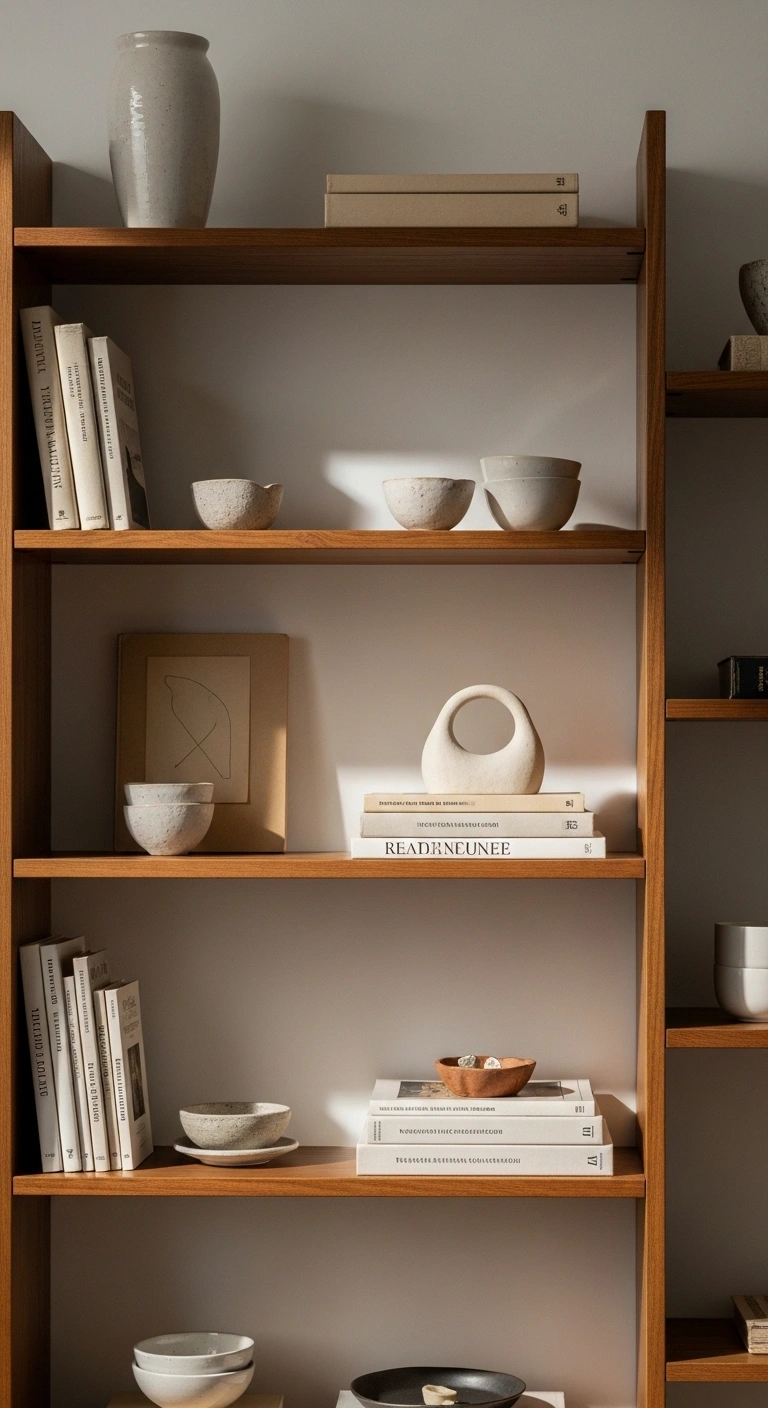
Open shelves can display your vintage finds in a way that feels organized yet relaxed. Use wooden or slightly distressed shelves and style them with a mix of books, ceramics, and small decor pieces. Leave some empty space so the shelves do not feel crowded.
Group items in small clusters instead of spreading them out evenly. For example, stack books horizontally and place a small object on top. Mix heights and shapes to create balance. This approach makes your shelves look natural and lived in. It also allows you to change things easily whenever you find something new.
10. Sheer Curtains for Soft Natural Light
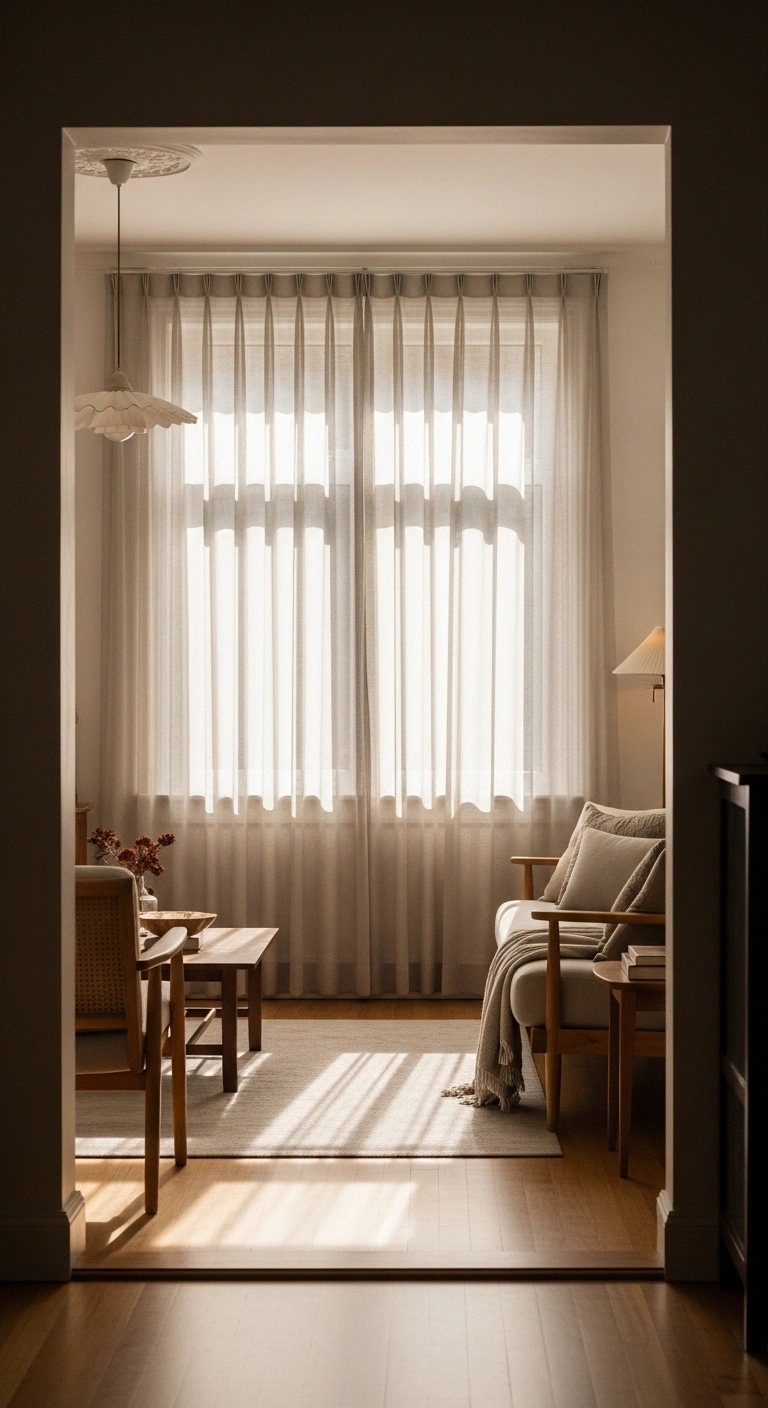
Sheer curtains can completely change how your living room feels. They allow natural light to enter while softening its intensity. Choose light fabrics in white, cream, or pale beige to keep the space bright and airy.
Let the curtains fall slightly longer than the window height to create an elegant, relaxed look. When sunlight passes through sheer fabric, it creates a gentle glow that enhances every texture in the room. This works especially well with vintage wood and soft fabrics. The result is a calm, inviting space that feels open yet cozy at the same time.
11. Vintage Trunks as Functional Centerpieces
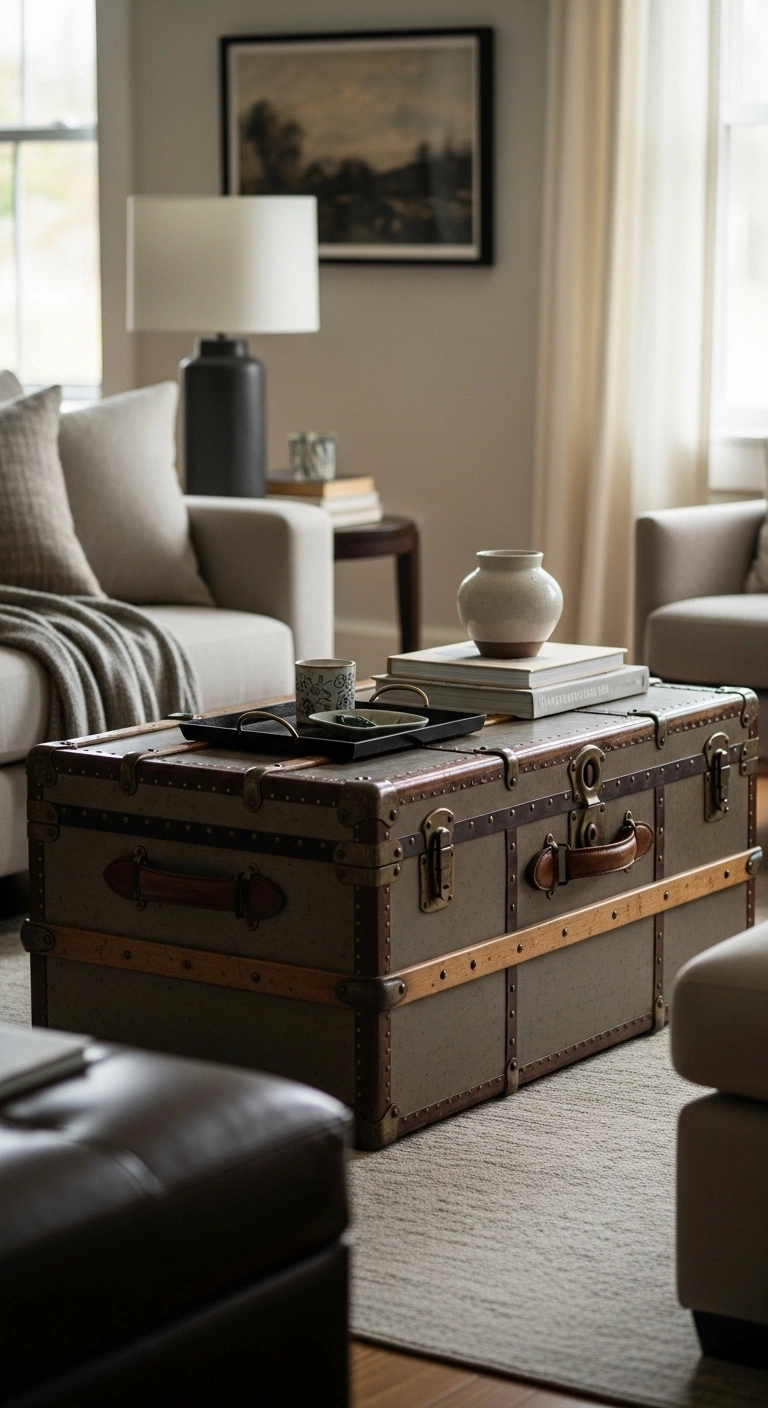
Use a vintage trunk as your coffee table to add both storage and character. Look for one with worn leather straps, metal corners, or a slightly faded surface that shows age naturally. This piece instantly becomes a focal point while also serving a practical purpose.
Style the top with a small tray, a stack of books, and a candle to keep it functional yet beautiful. Inside, you can store blankets, magazines, or seasonal decor. Pair the trunk with soft seating so the hard texture feels balanced. The mix of utility and history makes this idea feel grounded and real, not decorative for the sake of it.
12. Soft Pastel Walls with Subtle Patina
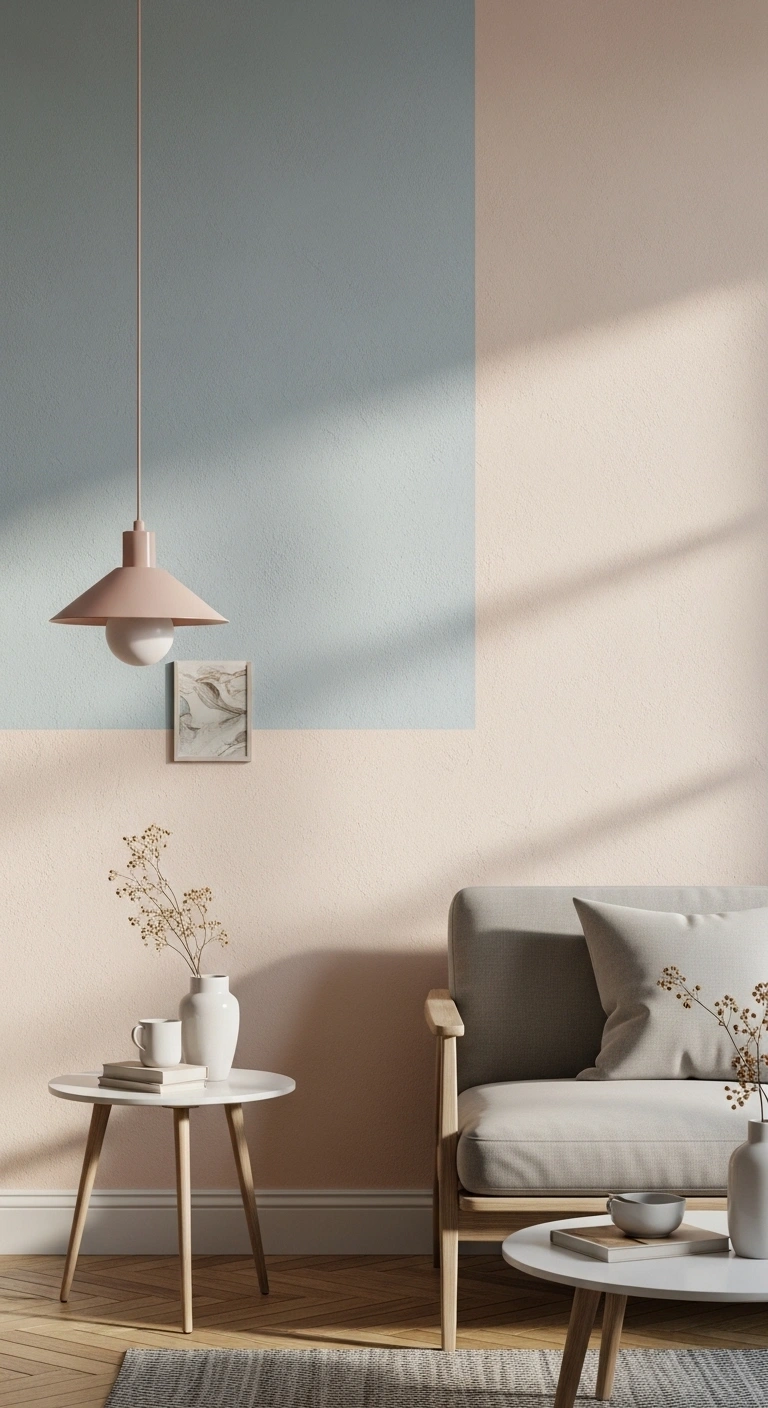
Paint your walls in soft pastel tones like faded mint, dusty blue, or warm blush to create a gentle vintage backdrop. These colors feel calm and slightly nostalgic without overwhelming the room. To enhance the effect, choose a matte finish that absorbs light instead of reflecting it.
You can also add a subtle aged effect by using limewash or textured paint. This creates depth and gives the walls a slightly imperfect, time-worn look. Keep furniture simple so the walls can quietly stand out. The soft tones make the room feel open while still carrying a sense of history and warmth.
13. Brass and Copper Accents for Warm Shine
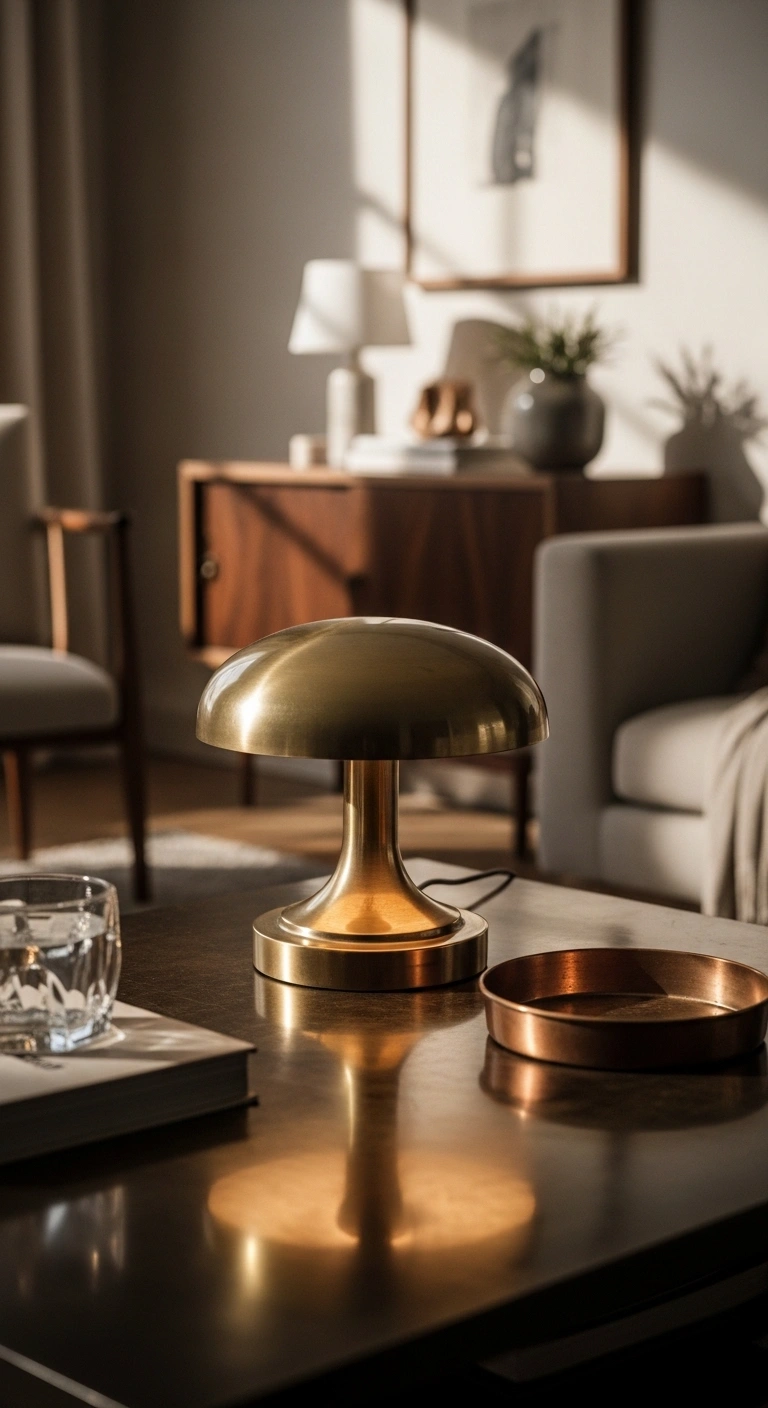
Introduce small touches of brass or copper to bring warmth and a soft glow into your space. Think of candle holders, trays, or lamp bases with a slightly aged finish rather than a polished shine. These metals reflect light in a gentle way that suits vintage interiors perfectly.
Balance these accents with neutral fabrics and wood tones so they do not feel too bold. Place them where light naturally hits, like near a window or under a lamp. Over time, these materials develop a patina that adds even more character. This makes them both decorative and evolving pieces in your living room.
14. Layered Curtains for Depth and Texture
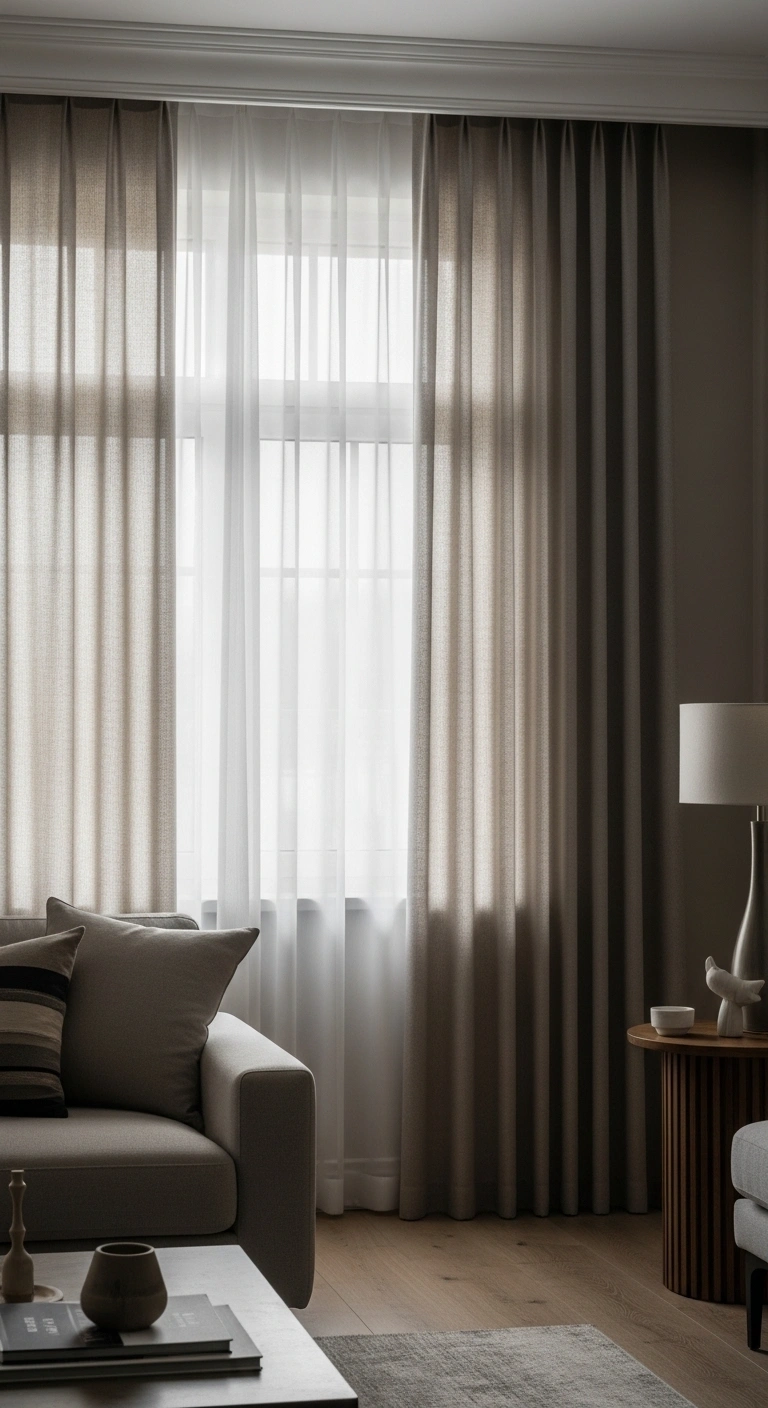
Combine sheer curtains with heavier drapes to create a layered window look. Start with a light inner layer that filters sunlight, then add thicker outer curtains in linen or cotton for privacy and texture. This layering adds depth without making the room feel heavy.
Choose colors that blend with your overall palette, such as soft beige or muted gray. Let the curtains hang loosely for a relaxed feel instead of pulling them too tight. The layers allow you to adjust light throughout the day while adding softness to the room. This simple change can make your space feel more complete and thoughtfully designed.
15. Vintage Books as Decor Elements
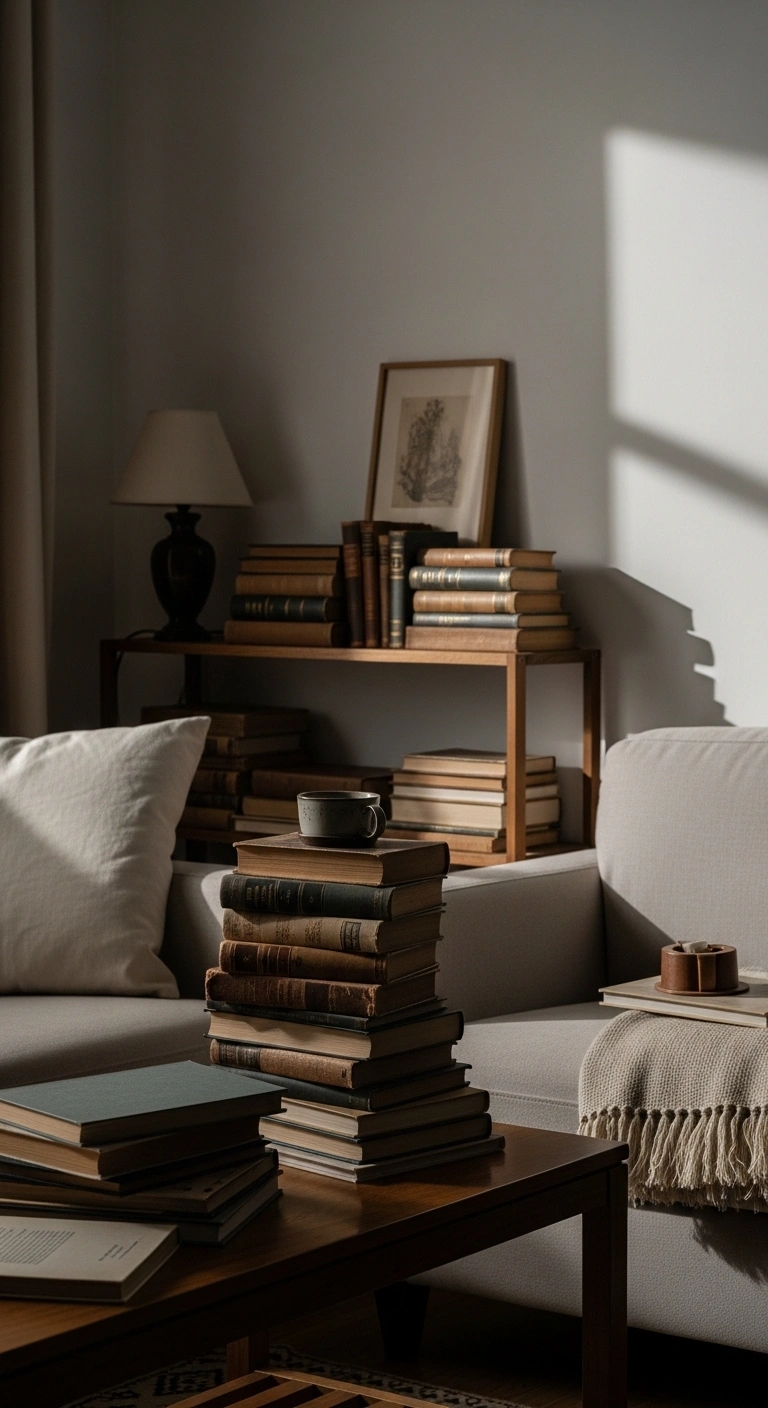
Old books are one of the easiest ways to add vintage charm. Look for books with worn covers, faded spines, or neutral tones that blend with your decor. Stack them on coffee tables, shelves, or side tables to create small visual anchors.
Mix vertical and horizontal stacks to keep things interesting. You can also tie a few books with twine for a rustic touch. Avoid arranging them too perfectly. A slightly uneven stack feels more natural and lived in. These books not only add texture but also bring a sense of quiet history into your living room.
16. Earthy Color Pops Through Accessories
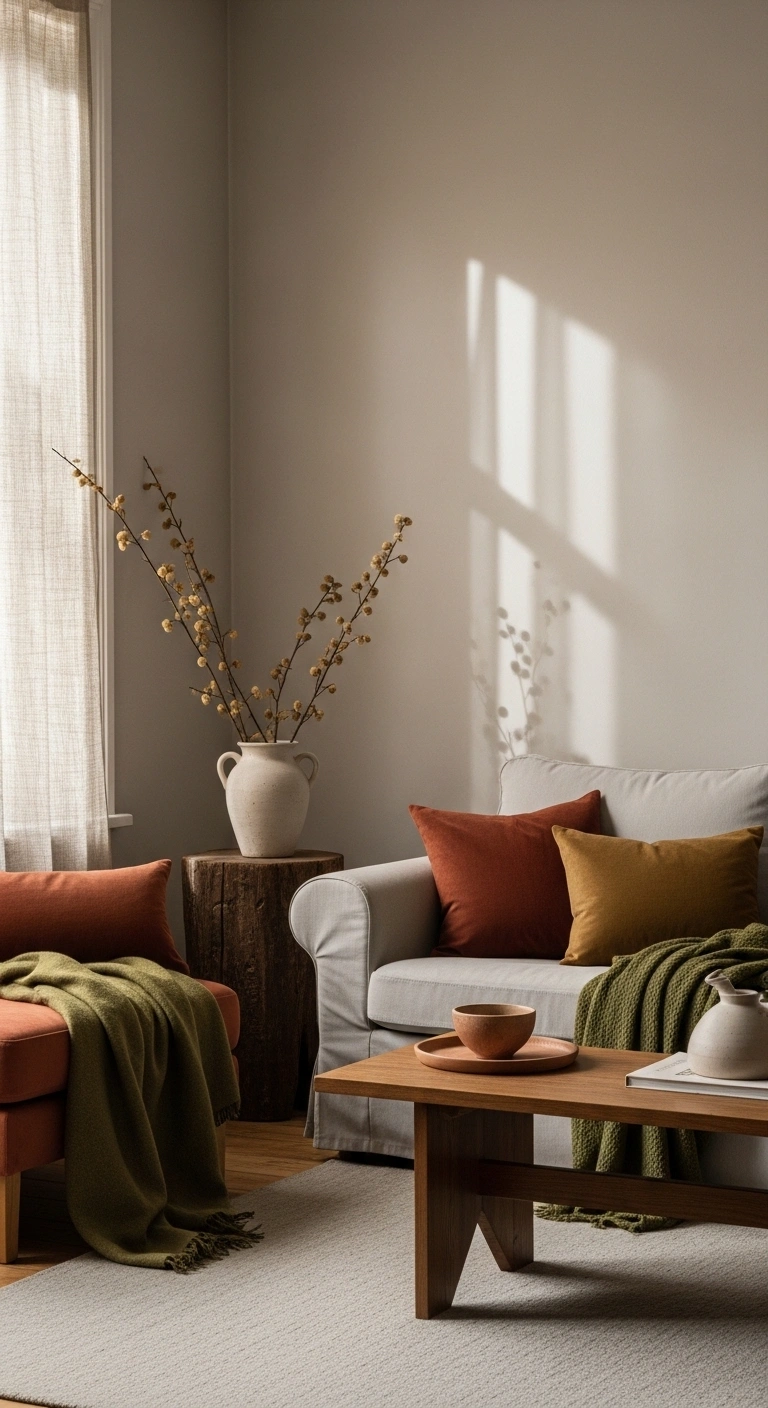
Instead of bold statement colors, use small earthy accents to bring life into your space. Think rust-colored cushions, olive green throws, or clay-toned vases. These colors feel warm and grounded, fitting perfectly with a vintage style.
Keep the base of your room neutral so these accents stand out softly. Spread them across the room instead of placing them all in one spot. This creates a balanced look that feels intentional. The earthy tones connect different elements in the room, making everything feel cohesive without being too planned.
17. Distressed Furniture with Character
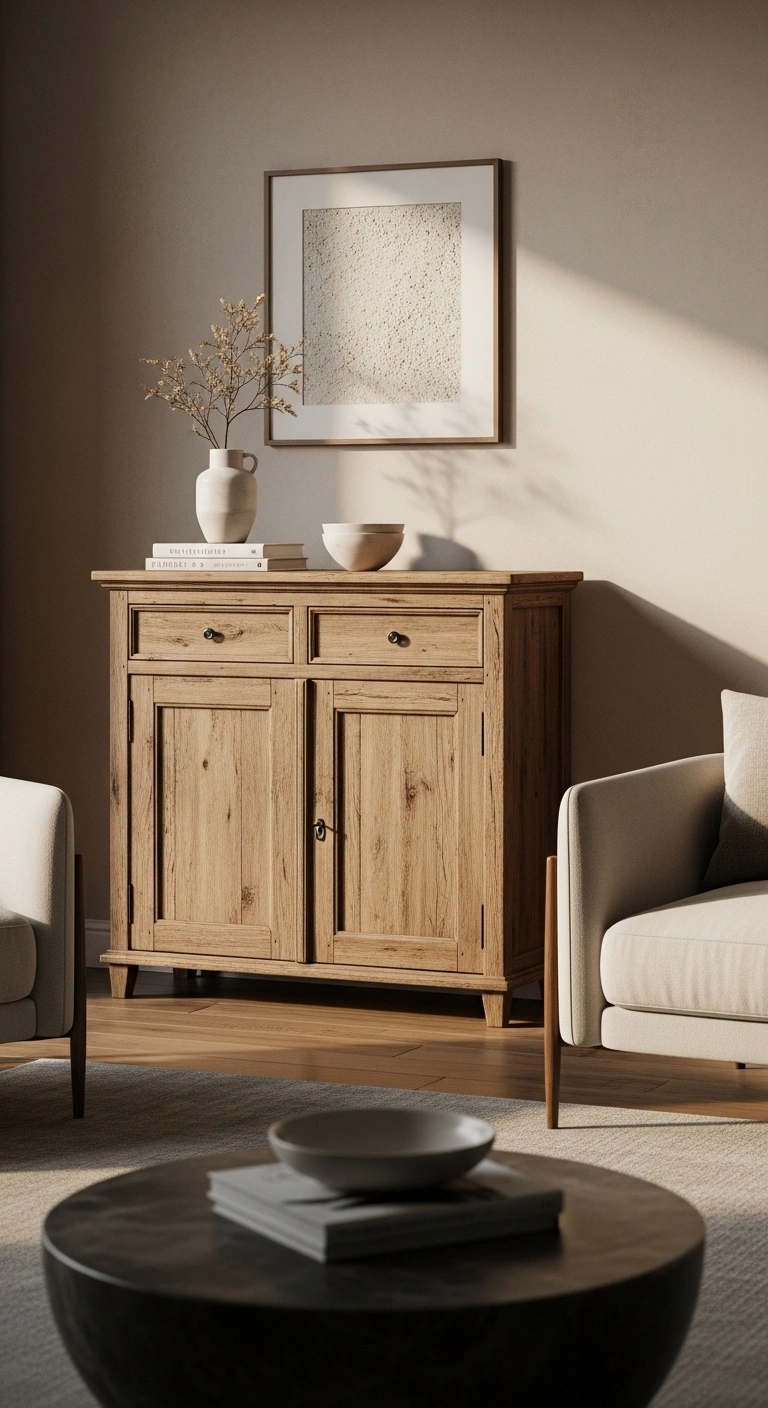
Choose one or two distressed furniture pieces that show visible wear, like chipped paint or faded finishes. A sideboard, coffee table, or console with these details can add instant personality to your living room.
Balance distressed pieces with cleaner, softer items so the room does not feel too rough. For example, pair a weathered cabinet with a smooth fabric sofa. The contrast keeps the space comfortable while still highlighting the vintage feel. Avoid overdoing it. A few well-chosen pieces are enough to create the effect without making the room look cluttered.
18. Cozy Reading Corner with Vintage Touches
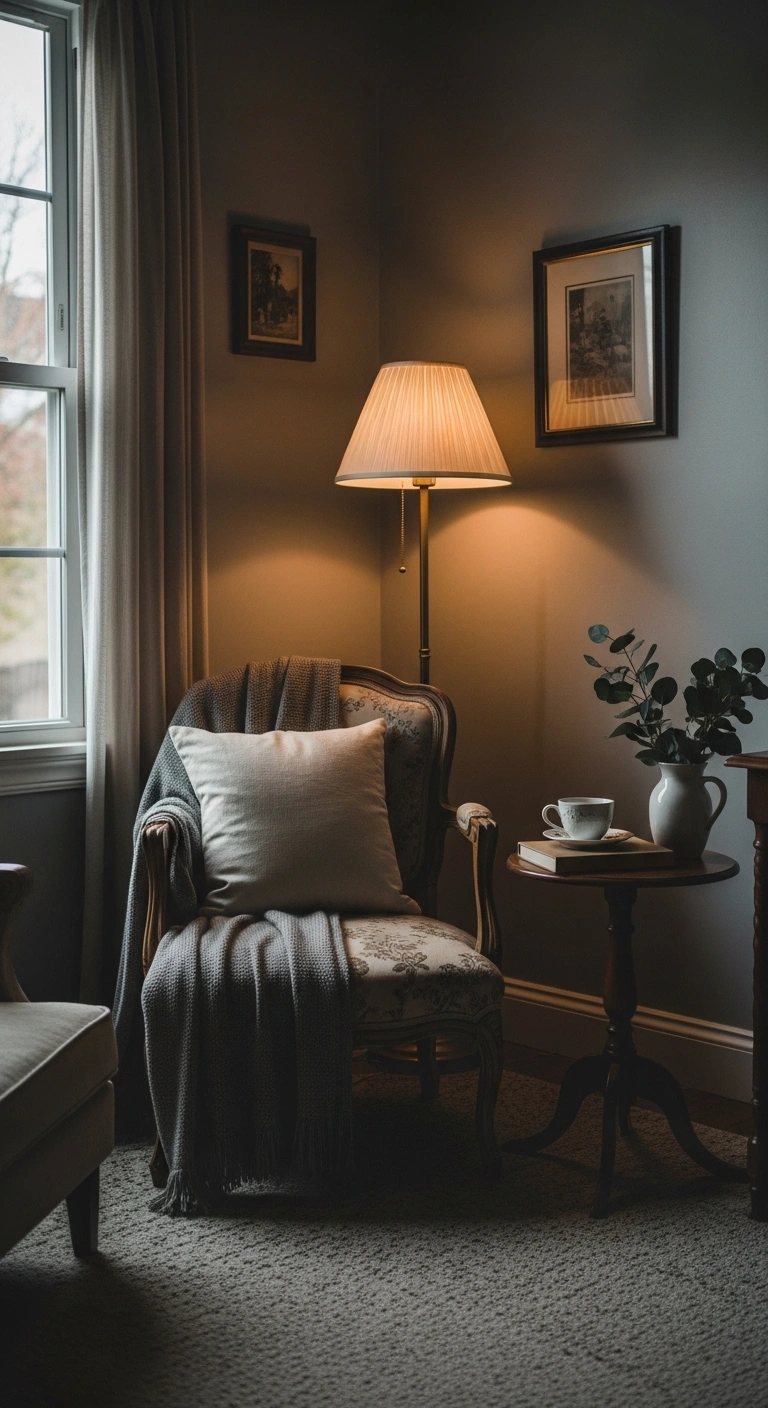
Create a small reading corner that feels quiet and inviting. Use a comfortable chair, a soft throw, and a warm lamp to build the base. Add a small side table for books and a cup of tea to complete the setup.
Choose a chair with a vintage feel, such as one with curved arms or soft upholstery. Place the corner near a window if possible, so it gets natural light during the day. This space adds function to your living room while also enhancing its overall mood. It becomes a place to relax, not just a design feature.
19. Ceramic and Pottery Displays
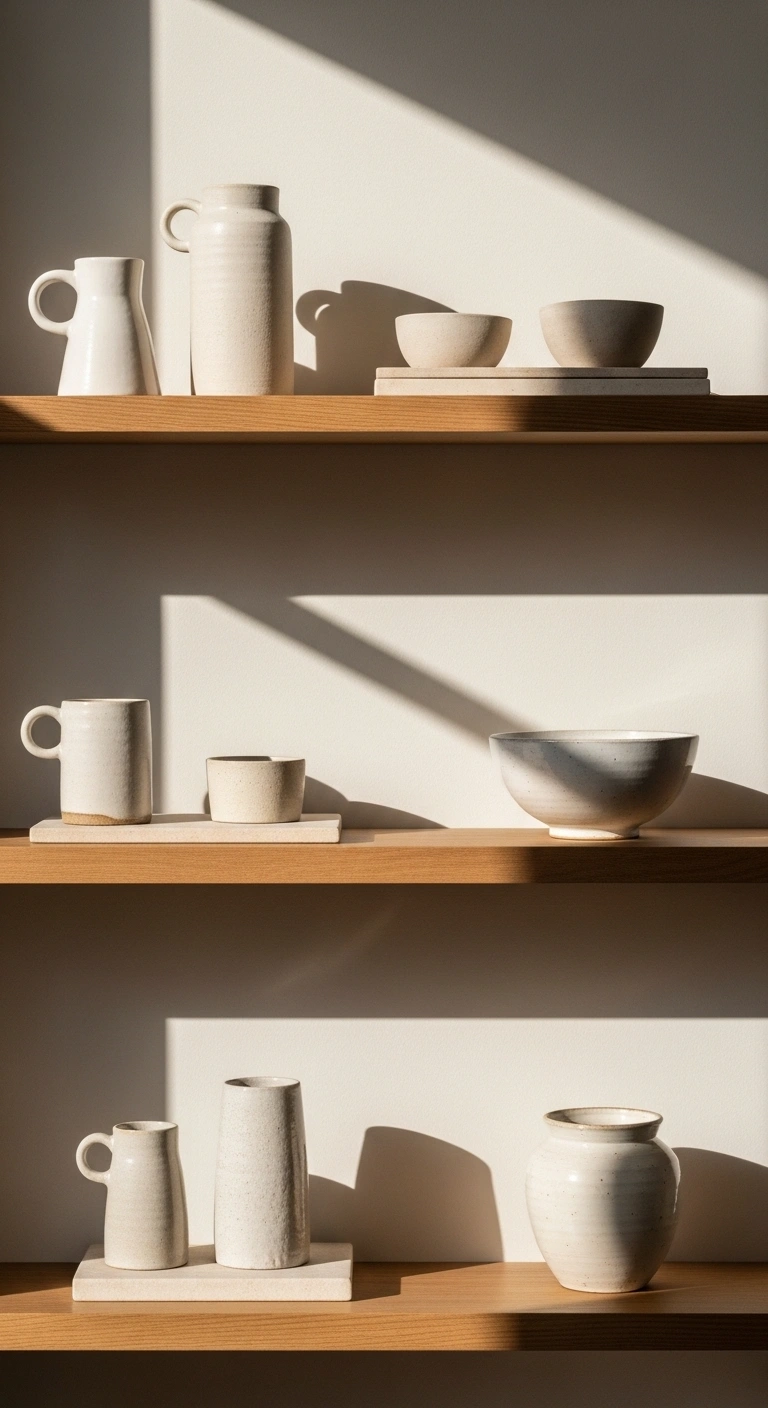
Display handmade ceramics or vintage pottery to add texture and warmth. Look for pieces with simple shapes and natural tones like off-white, terracotta, or soft gray. These items bring a grounded, organic feel to your space.
Group them in small clusters on shelves or tables instead of spreading them out. Mix different heights and sizes to create visual interest. Avoid overly shiny finishes. Matte or slightly rough textures work best for a vintage look. These pieces add quiet detail that enhances the room without taking over.
20. Soft Layered Throws for Comfort
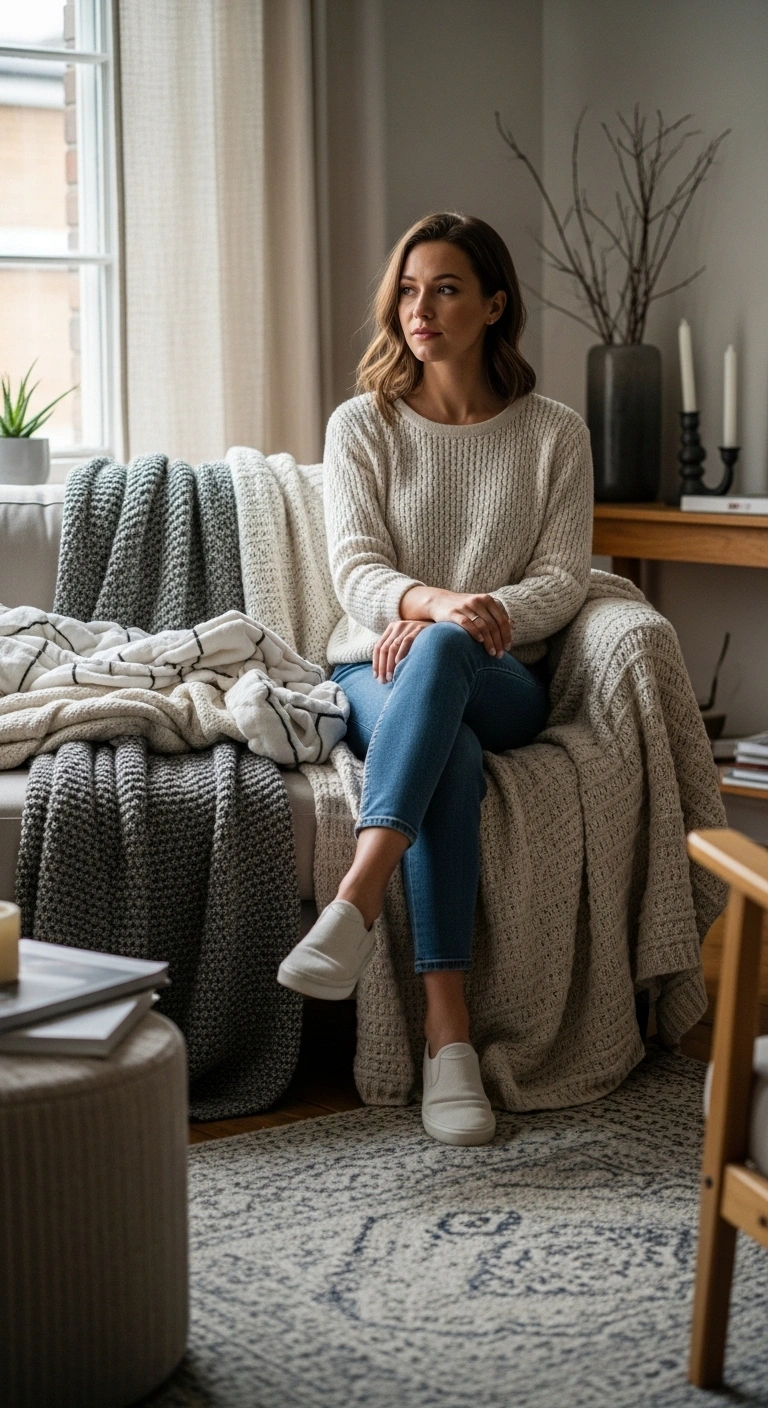
Layering throws can make your living room feel instantly more inviting. Use different fabrics like cotton, wool, and knit to add depth. Drape them casually over sofas or chairs instead of folding them neatly.
Stick to a cohesive color palette so the layers feel intentional. Soft neutrals mixed with one or two earthy tones work well. The goal is to create a space that looks comfortable and easy to use. These small details make a big difference in how the room feels every day.
21. Vintage-Inspired Wall Paneling
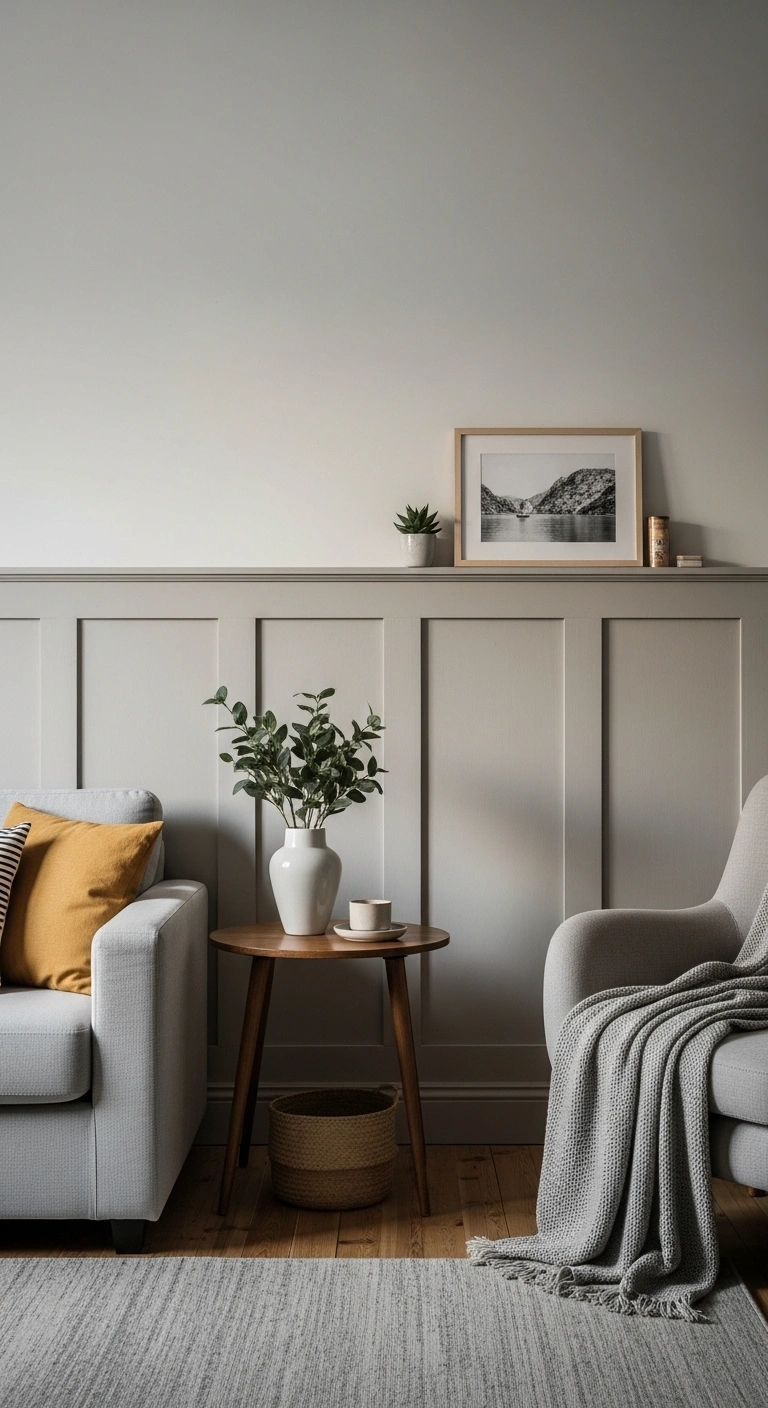
Add subtle wall paneling to create architectural interest. Simple rectangular molding painted in a soft neutral tone can give your walls a classic vintage look. This works especially well in plain rooms that need more depth.
Keep the design simple so it does not feel heavy. Paint the paneling the same color as the wall for a clean and cohesive finish. This adds texture without introducing new colors. The result is a refined background that supports the rest of your decor.
22. Timeworn Clocks as Statement Pieces
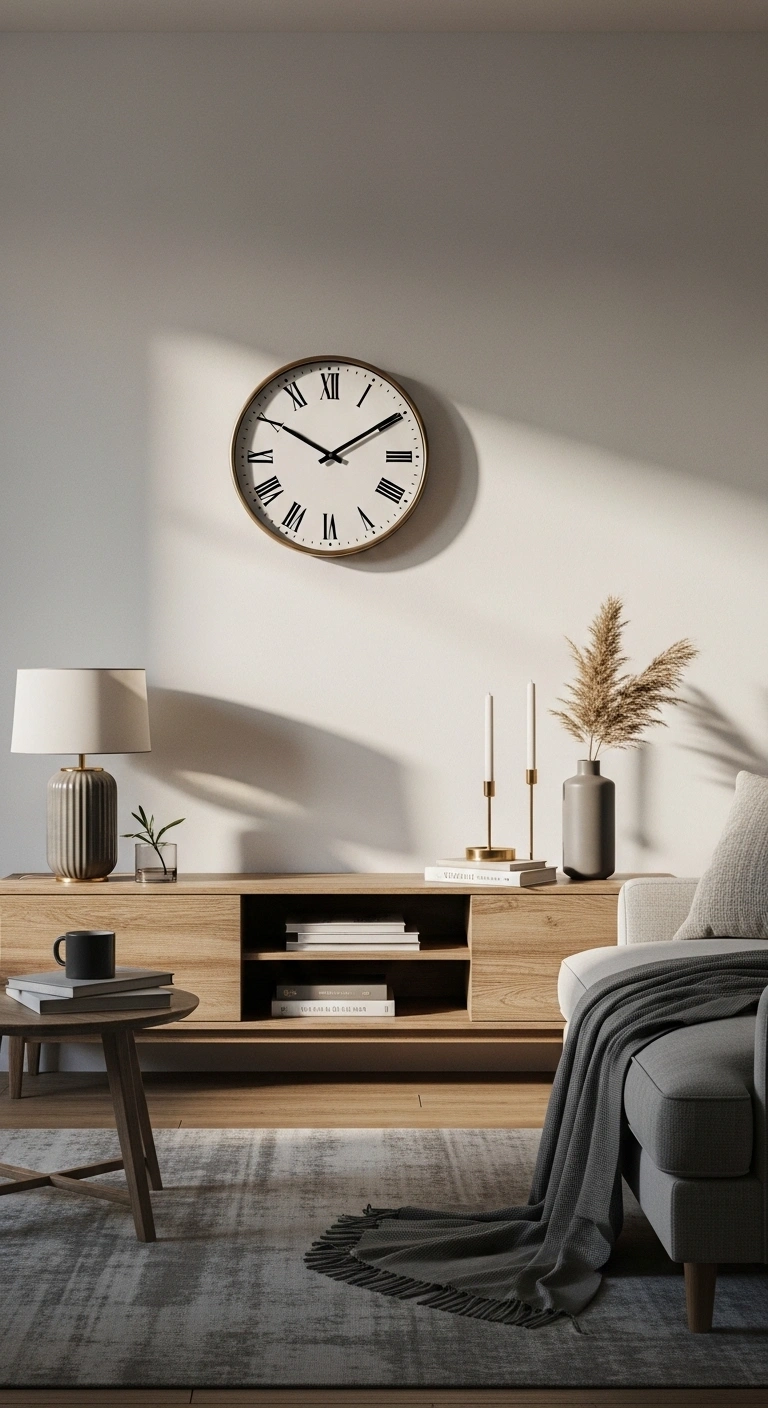
A vintage-style clock can act as both a functional and decorative element. Choose one with a slightly aged face, soft colors, and simple numbers. Large wall clocks or smaller mantel clocks both work well.
Place the clock where it is easy to see but also part of your overall design, such as above a console or on a shelf. Avoid overly modern designs. A timeworn look adds charm and connects the room to a slower, more relaxed pace. It becomes a subtle reminder of the beauty of everyday moments.
Conclusion
Creating a vintage living room with soul is about more than choosing old-style furniture. It is about building a space that feels warm, personal, and layered over time. From soft lighting and worn textures to thoughtful layouts and meaningful decor, each idea works together to create a room that feels lived in and inviting.
You do not need to apply every idea at once. Start with a few elements that speak to you, then slowly build your space. Mix textures, play with light, and allow small imperfections to show. That is where the real charm comes from.
Save your favorite ideas, try them in your own way, and let your living room tell a story that feels truly yours.