21 Home Decorating Ideas That Turn Ordinary Rooms Into Standout Spaces

Every house has that one room everyone compliments, and it usually is not because of expensive furniture. It is because someone paid attention to the small details, the lighting, the textures, the little arrangements that most people walk right past. This list pulls together twenty-one decorating ideas from living rooms, entryways, kitchens, and bathrooms, all things a regular homeowner can actually pull off without hiring a designer. You will not find vague advice here about picking a theme or finding your style. Instead, each idea gives you something specific to do, buy, or rearrange, along with tips on where it works best. Some of these you can finish in an hour, others might take a weekend. Either way, by the end of this list you will have plenty of ways to make your rooms feel more like a home and less like a place you just happen to live.
1. Accent Wall Color
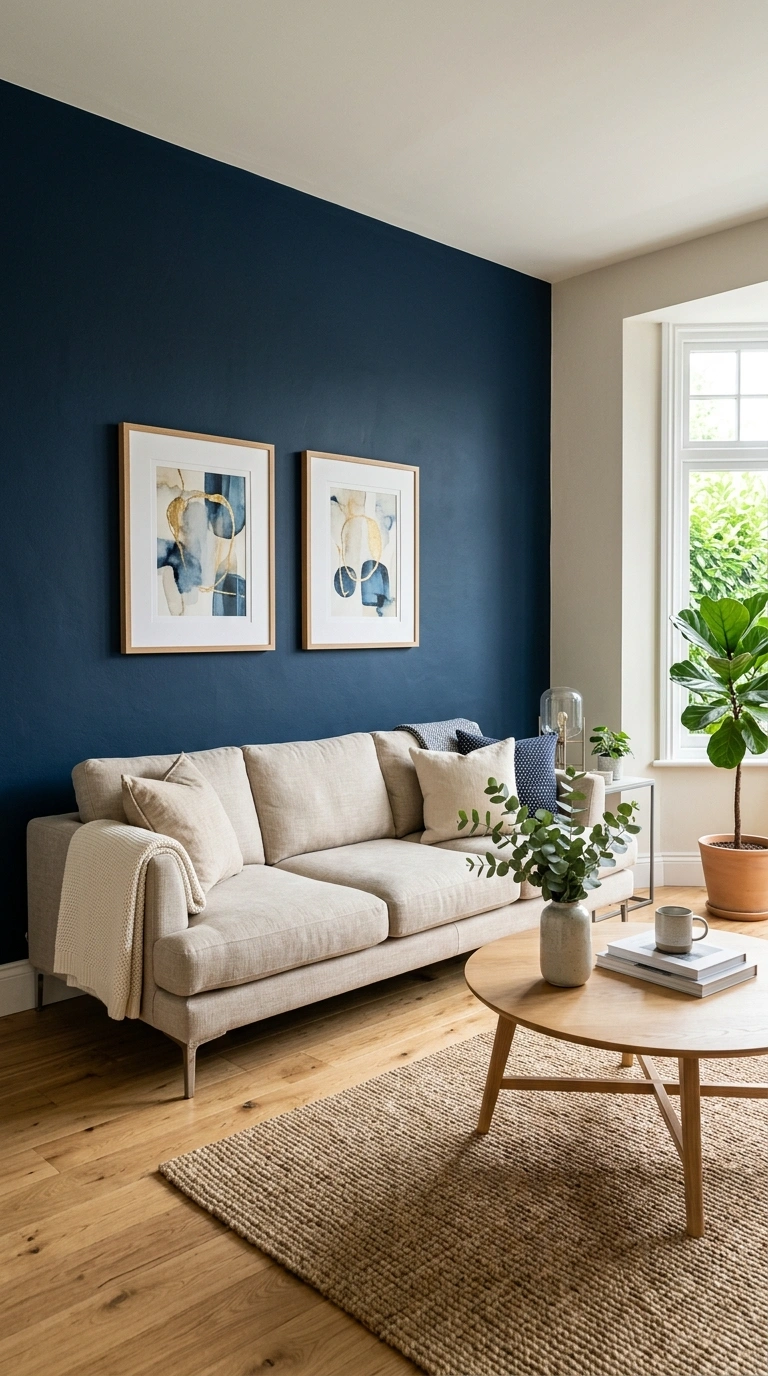
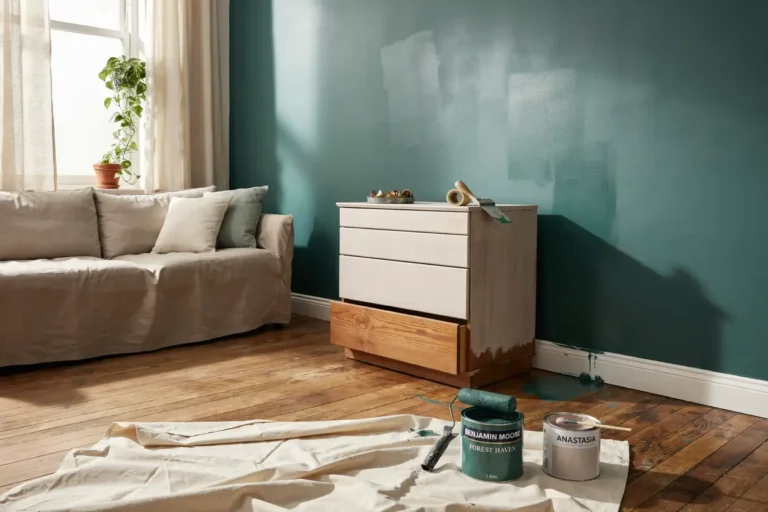
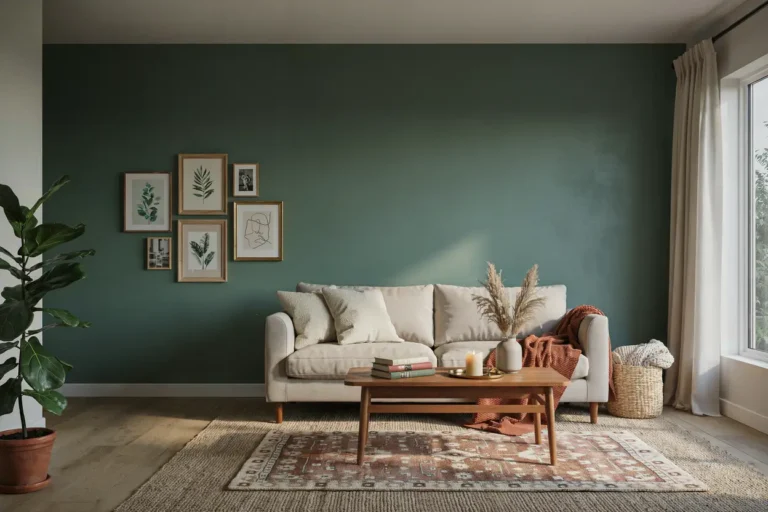
A single wall painted in a bold or deep color can completely change the personality of a room without the cost of repainting everything. This works especially well in living rooms and dining rooms, where the accent wall becomes a natural backdrop for furniture or art. It draws the eye and gives the room a clear focal point the moment someone walks in.
Choose the wall that already gets the most attention, usually the one behind a sofa, bed, or dining table. Deep green, navy, or burnt orange all work well as accent colors and pair nicely with wood tones and warm metals. Keep the surrounding walls in a neutral shade so the accent wall stands out rather than competes. Hang one or two pieces of art on the accent wall to finish the look, since a painted wall left completely bare can feel unfinished.
2. Gallery Wall Display
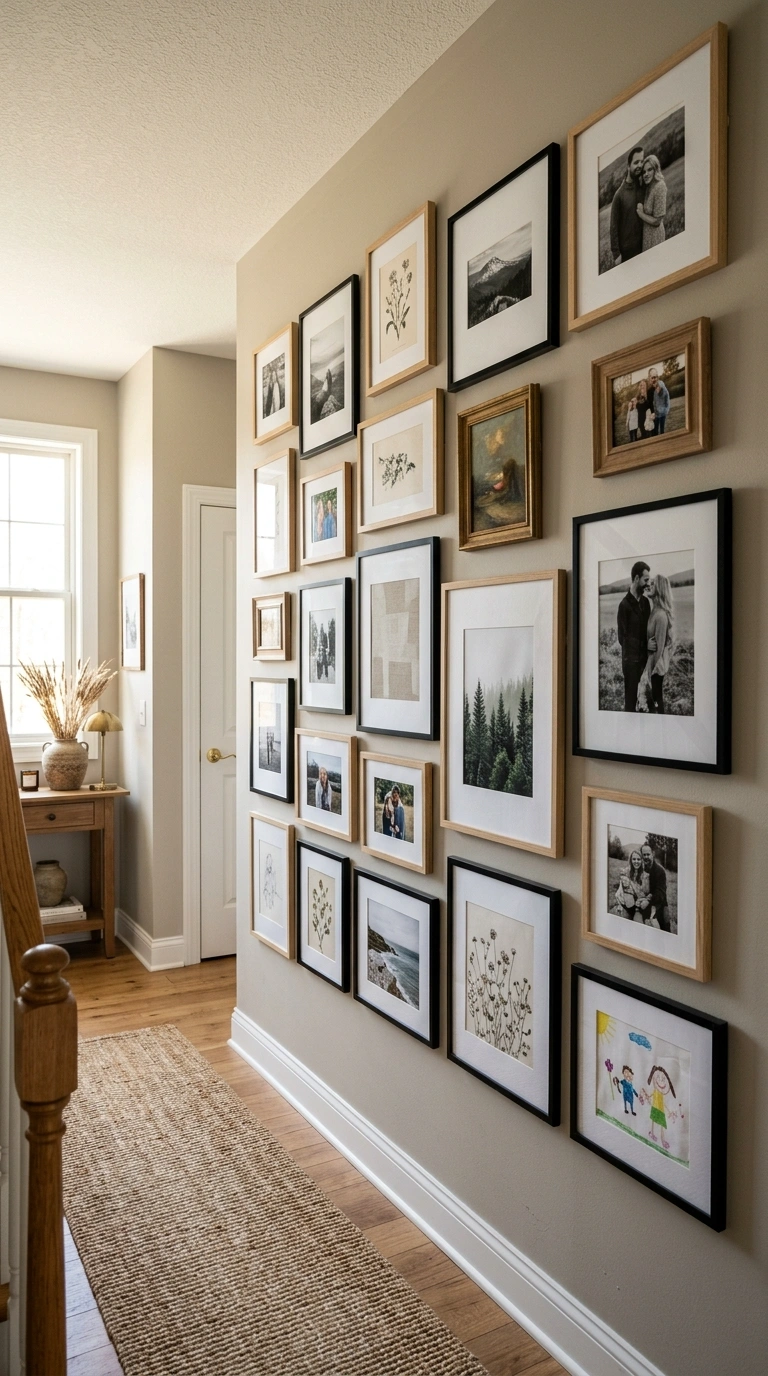
A gallery wall turns a blank stretch of wall into one of the most personal features in the house. It works well in hallways, staircases, or above a sofa, and it gives you a place to display photos, art, and small mementos together in one arrangement. No two gallery walls ever look the same, which is part of what makes them feel so personal.
Start by laying the frames out on the floor first to plan the spacing before hammering a single nail. Mix frame sizes and a couple of finishes, like black and natural wood, rather than using all identical frames. Leave two to three inches of space between each frame so the arrangement feels intentional instead of cluttered. A gallery wall photographs beautifully and gives visitors something to actually stop and look at.
3. Statement Light Fixture
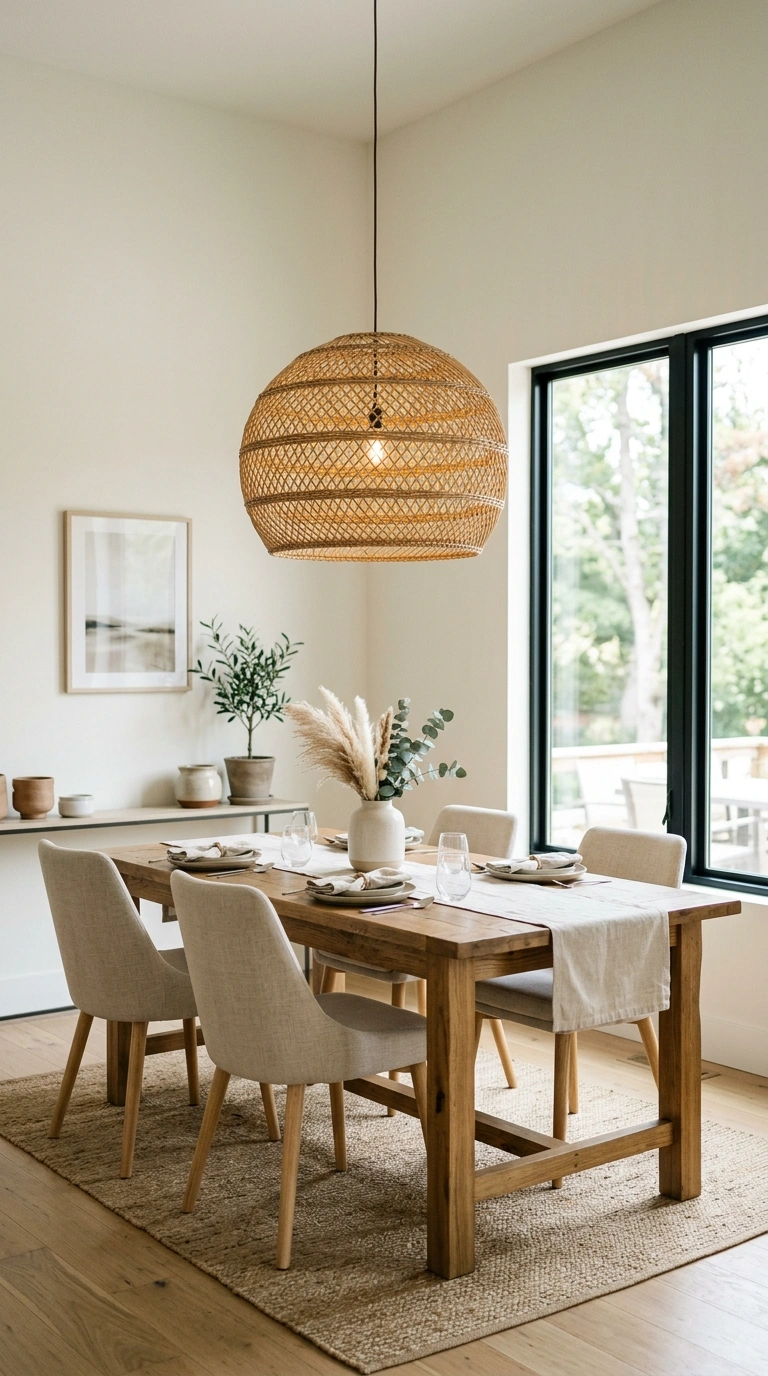
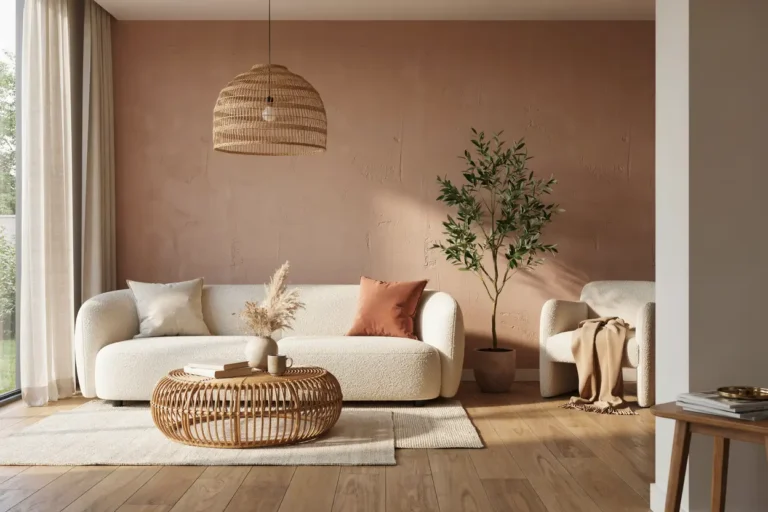
Swapping a builder-grade light fixture for something with more character is one of the fastest ways to upgrade a room’s whole feel. This works especially well in dining rooms, entryways, and kitchens, where a fixture hangs at eye level and becomes part of the room’s design rather than just a light source.
A woven pendant, a brass chandelier, or a sculptural drum shade can all serve as the room’s centerpiece depending on your style. Hang dining room fixtures about thirty inches above the table for the right proportion. In entryways, a fixture with some height draws the eye upward and makes the space feel taller. Even a modest budget fixture looks expensive when it has an interesting shape or texture instead of a plain glass globe.
4. Layered Area Rugs
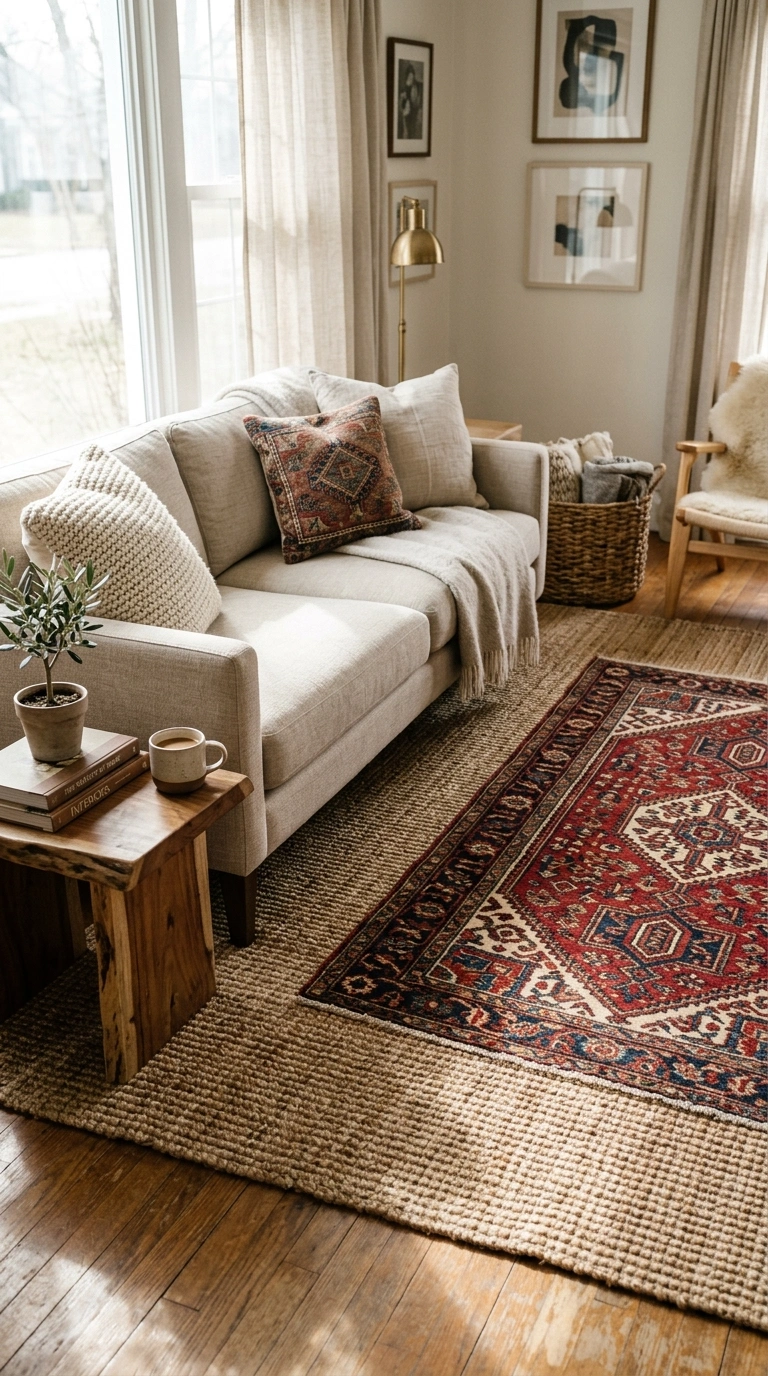
Placing a smaller patterned rug on top of a larger neutral rug adds depth and texture to a room in a way that a single rug cannot. This layering trick works especially well in living rooms and reading corners, where it creates a cozy, collected look rather than a matched showroom feel.
Choose a large jute or flatweave rug as your base layer, then add a smaller vintage-style or patterned rug on top, slightly off-center for a relaxed look. Keep the top rug’s colors connected to your furniture or pillows so the layering feels intentional rather than random. This trick also works well for hiding a base rug that has some wear, since the top layer covers the most visible area. Layered rugs are an easy way to add pattern to a room without repainting or buying new furniture.
5. Open Shelving Styling
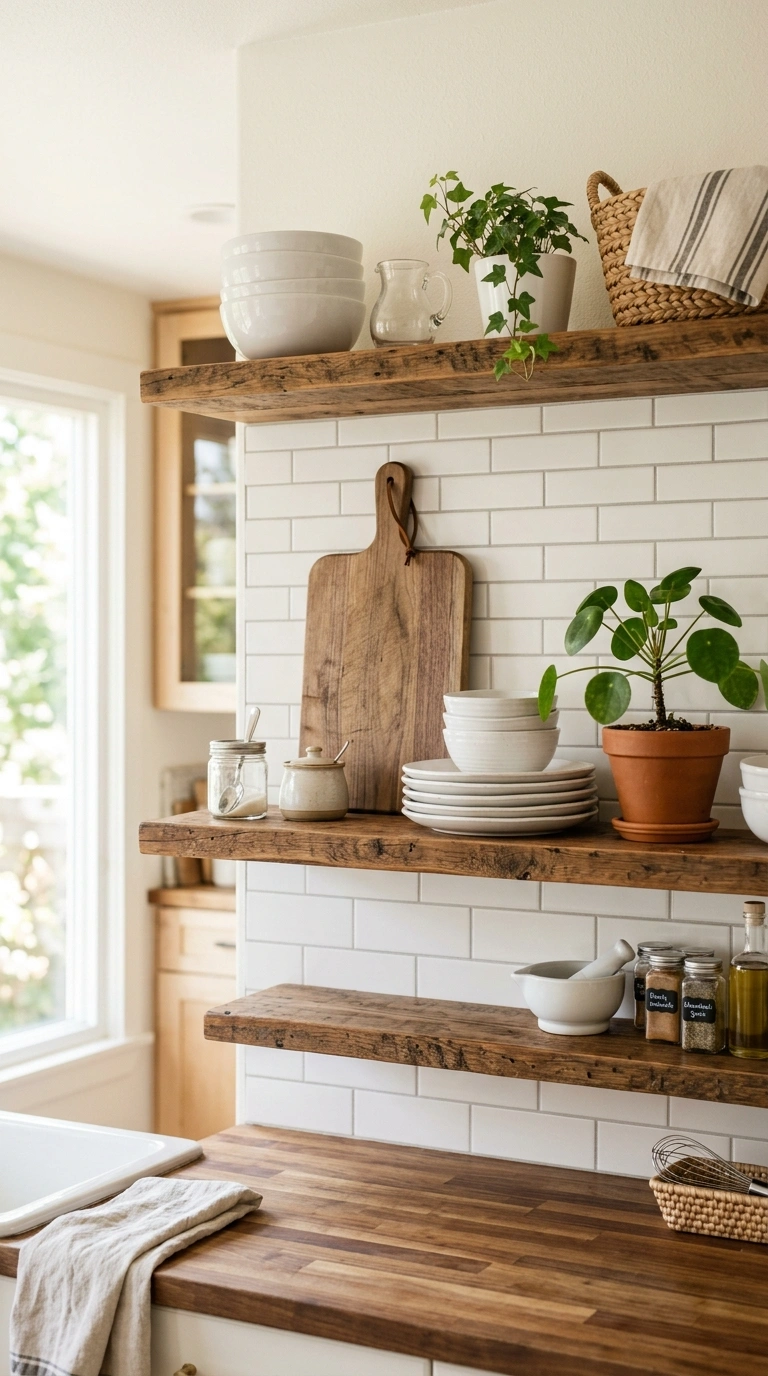
Open shelves in a kitchen or living room give you a chance to display items instead of hiding everything behind closed doors. When styled well, open shelving turns everyday items like dishes or books into part of the room’s decor. This works particularly well in kitchens with good natural light.
Group items in odd numbers, like three or five, rather than lining everything up in a row. Mix heights by stacking some books flat and standing others upright, and add one or two small plants or bowls between larger pieces. Leave some breathing room on each shelf rather than filling every inch, since empty space actually makes the styled items stand out more. Rotate a few pieces seasonally to keep the shelves feeling fresh without buying anything new.
6. Textured Throw Pillows
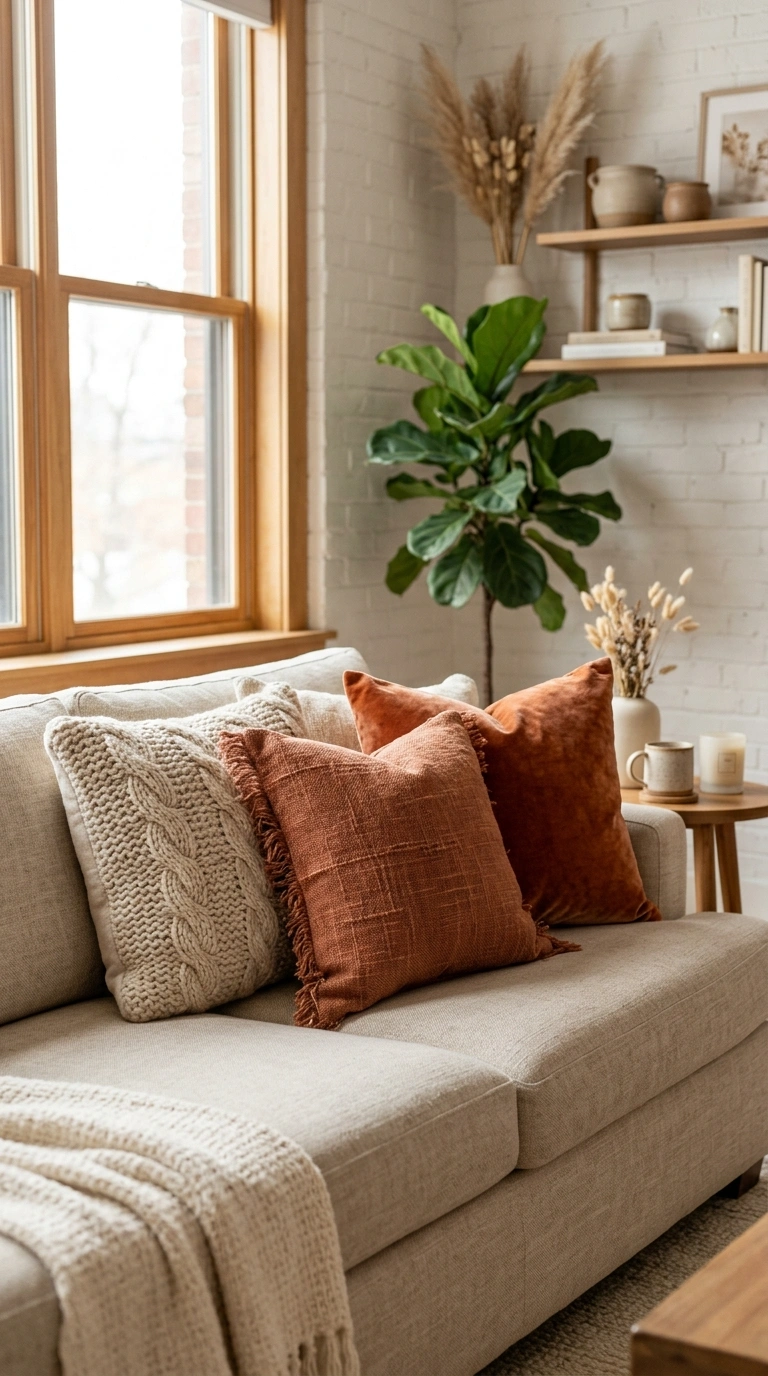
Mixing pillow textures, like a woven knit next to a smooth linen and a touch of velvet, adds depth to a sofa or bed in a way that a single fabric never can. This is one of the cheapest and fastest ways to make a living room feel more layered and finished.
Stick to two or three colors total so the mix feels curated instead of chaotic, and use texture as the main source of variety instead of pattern. A neutral sofa becomes far more interesting with textured pillows in oatmeal, rust, and cream than with plain matching cushions. Arrange pillows in odd numbers and vary the sizes slightly for a relaxed, lived-in look. Swapping pillow covers seasonally is also an easy way to refresh a room without buying new furniture.
7. Botanical Corner
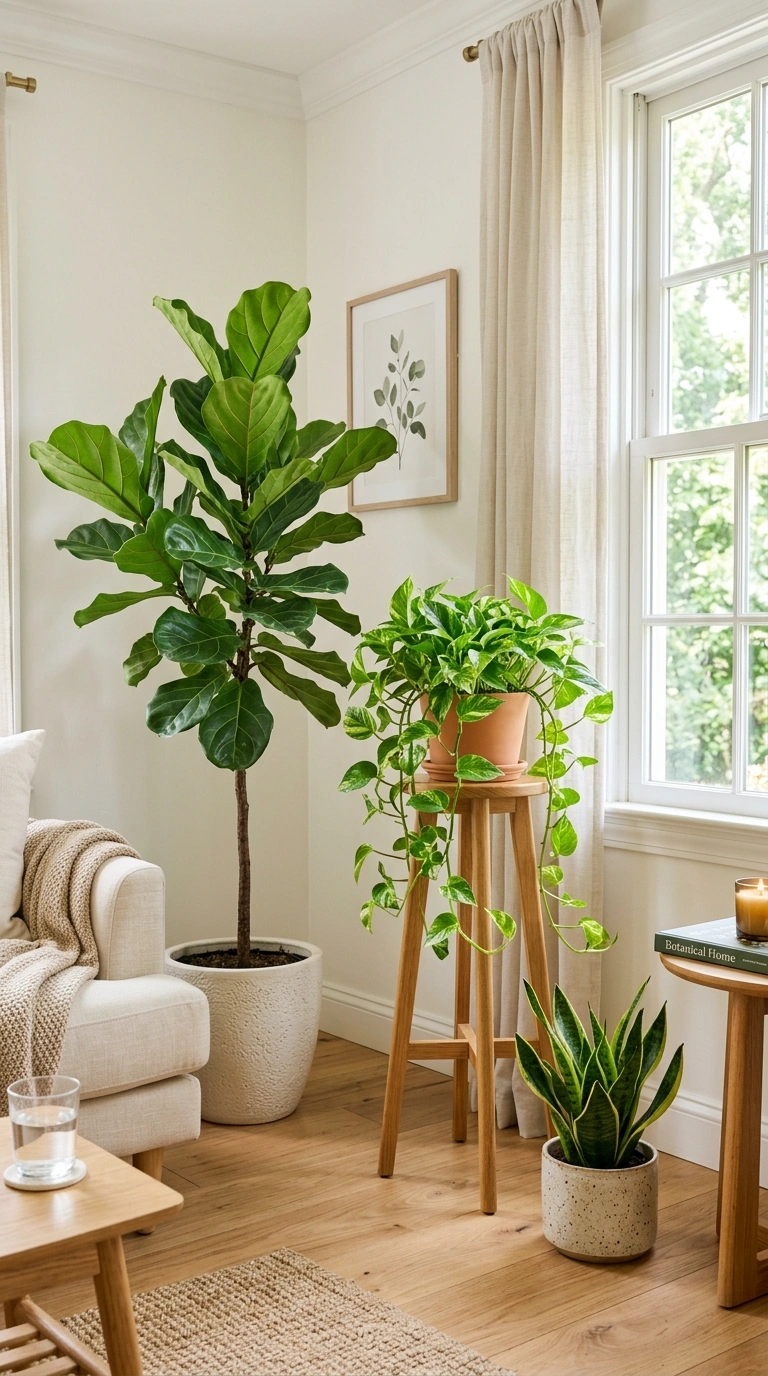
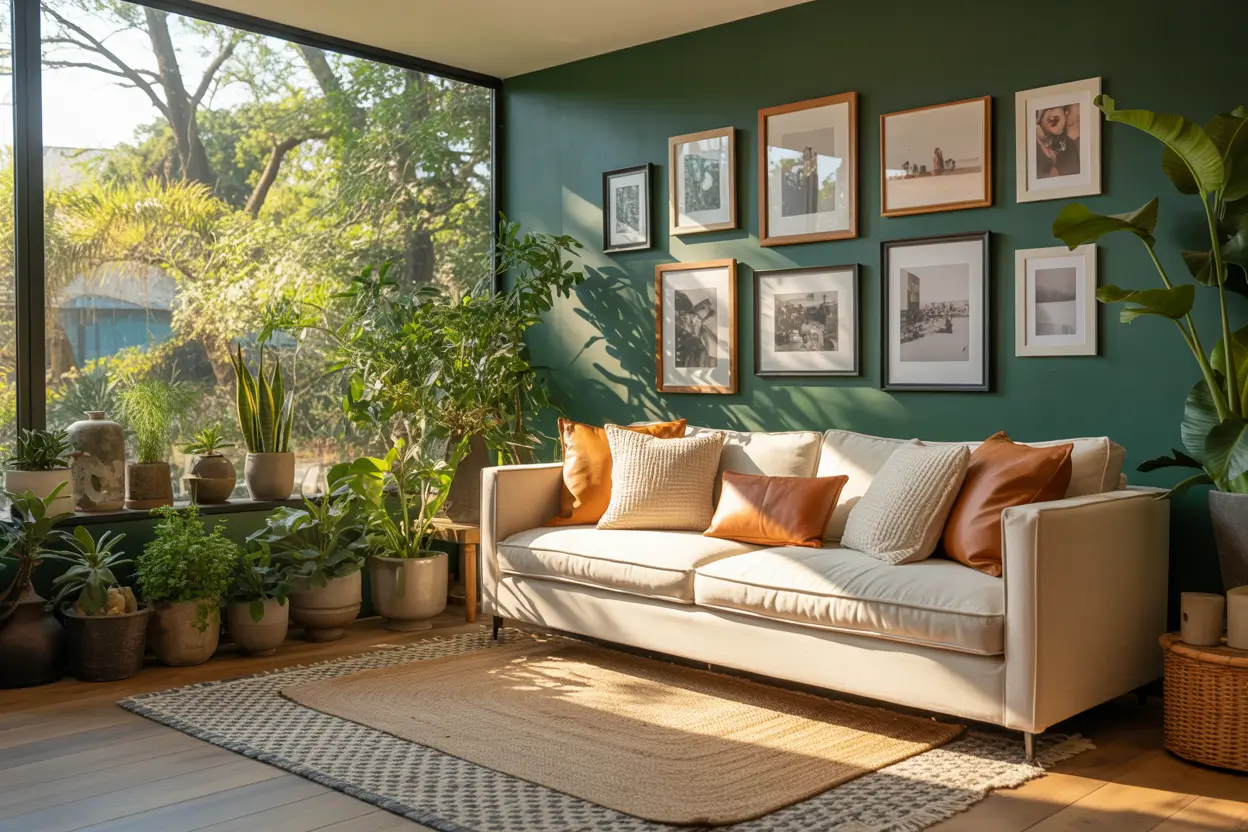
An empty corner in a living room or sunroom is one of the easiest spots to turn into a small indoor garden. Grouping a few plants of different heights creates a lush, photogenic corner that adds life and color to a room that might otherwise feel plain.
Use a tall plant like a fiddle leaf fig or a rubber plant as the anchor, then add one or two medium plants like a pothos or peace lily at different heights around it. Place plants on simple wood or rattan stands to vary the levels instead of lining them all up on the floor. Choose planters in similar tones, like terracotta or white ceramic, so the grouping feels cohesive. A well-placed plant corner near a window is one of the simplest ways to make a room feel warmer and more alive.
8. Mirror Above Console
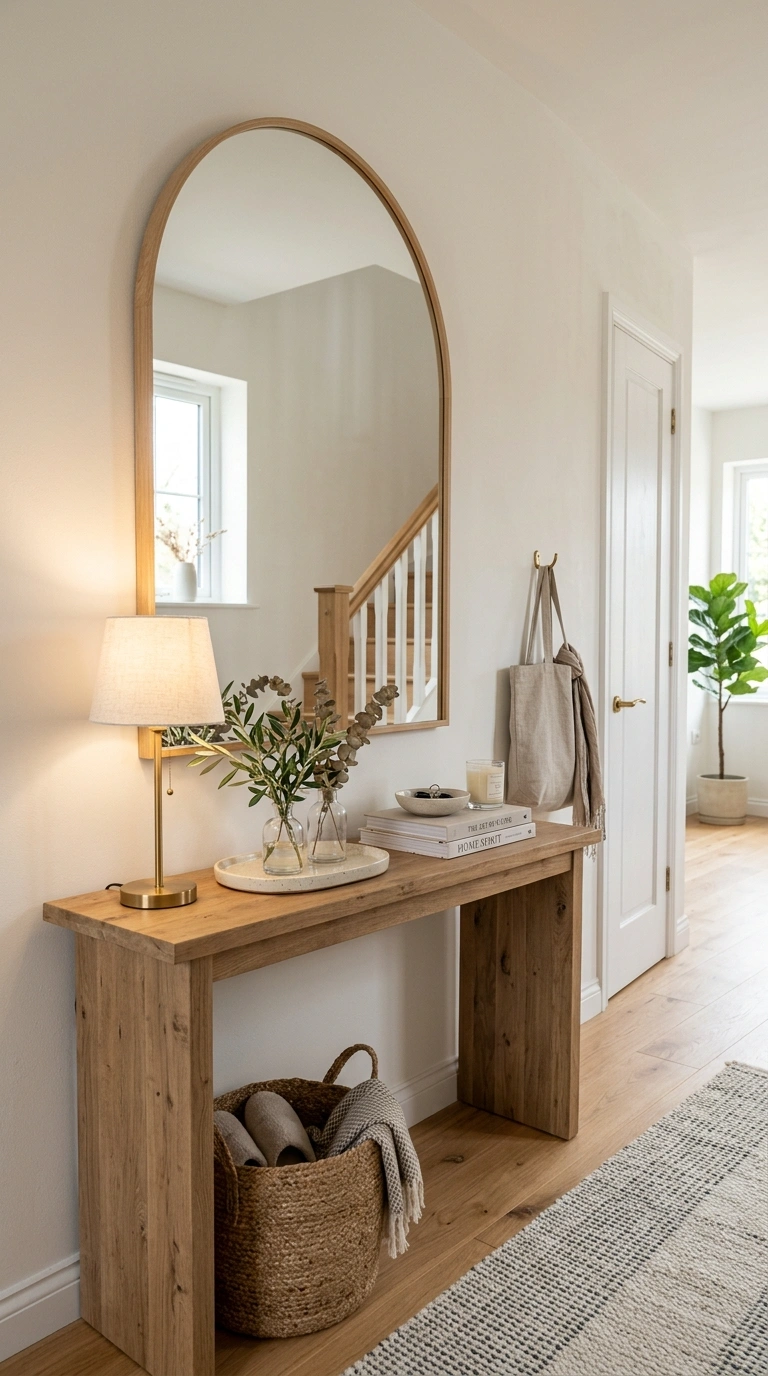
A mirror hung above a console table in an entryway or hallway does double duty, giving guests a spot to check themselves before heading out while also bouncing light around a space that often lacks windows. It is one of the most classic and reliable decorating combinations there is.
Choose a mirror with some shape or frame detail, like an arched top or a scalloped edge, rather than a plain rectangle, since the entryway is often the first thing guests see. Style the console table below with a small lamp, a tray for keys, and one seasonal item like a vase of flowers or a small plant. Keep the surface fairly open rather than crowded, since a cluttered console under a nice mirror undoes the polished look you are going for.
9. Woven Wall Basket
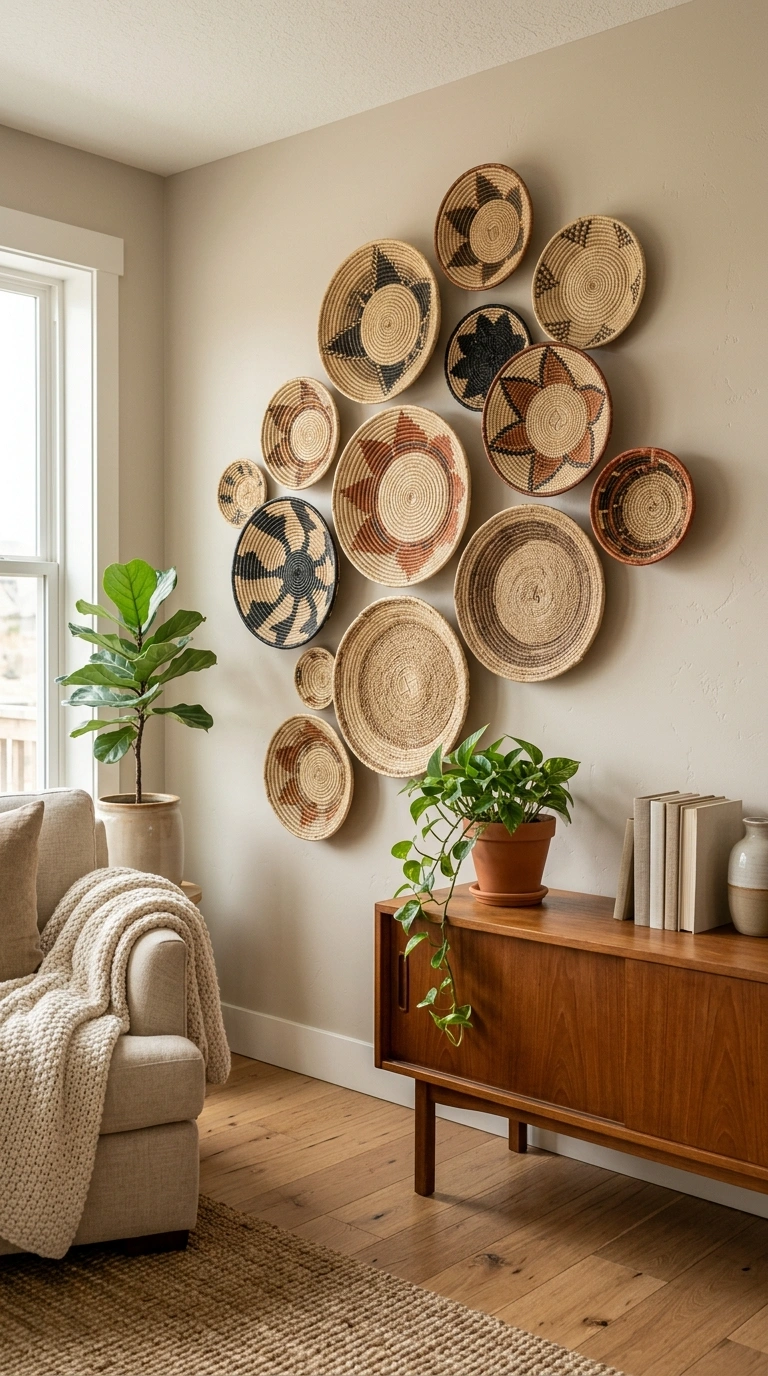
Flat woven baskets arranged on a wall bring warm, natural texture into a room without taking up any floor space. This works especially well on a plain wall in a living room, bedroom, or hallway where you want interest without committing to framed art.
Arrange baskets of different sizes in a loose cluster rather than a strict grid, starting with the largest basket slightly off-center and building smaller ones around it. Choose baskets in similar natural tones so the arrangement reads as one cohesive piece rather than a random collection. This idea works especially well above a headboard, sofa, or dining table as a more textured alternative to traditional artwork. It costs very little and gives a plain wall an entirely different feel.
10. Bold Kitchen Backsplash
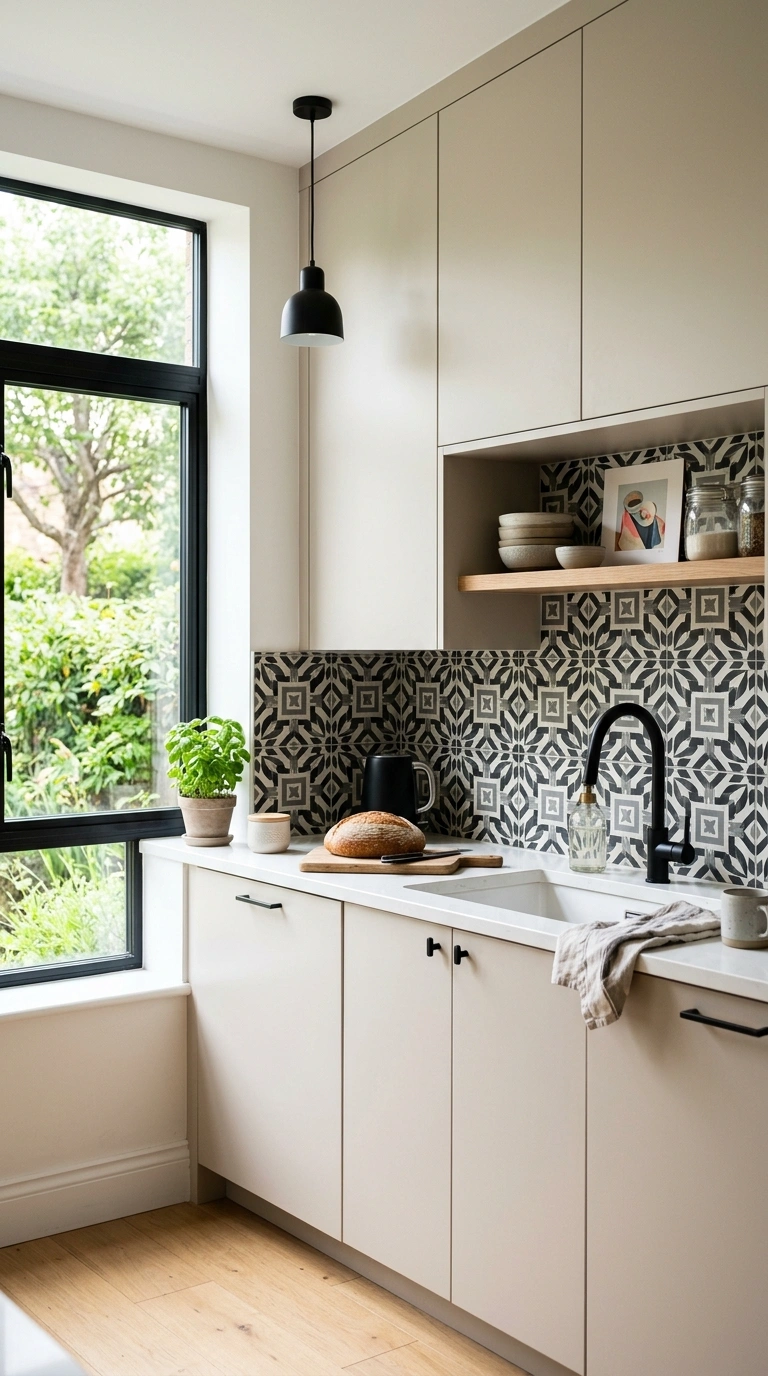
A patterned or colorful tile backsplash turns a kitchen from purely functional into one of the most visually interesting rooms in the house. It sits right at eye level between counters and cabinets, which makes it one of the highest-impact design choices in the entire kitchen.
Choose a classic pattern like scalloped tile, herringbone, or a bold geometric print if you want something that photographs well and stays in style for years. Keep countertops and cabinets in a neutral tone so the backsplash gets to be the star of the room rather than competing with other busy surfaces. Peel-and-stick tile options exist now for renters or anyone hesitant to commit to a permanent installation. A bold backsplash instantly makes a kitchen feel designed rather than just built.
11. Curtain Upgrade
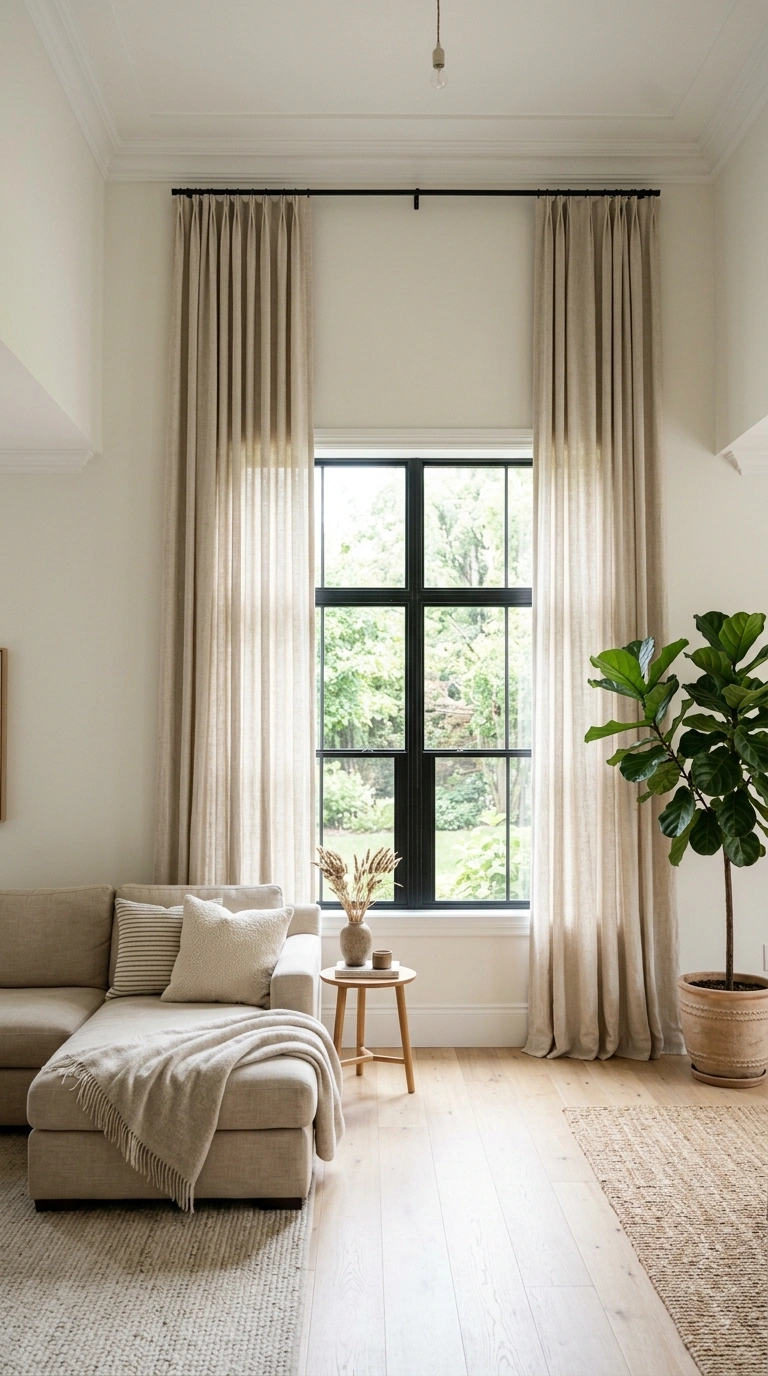
Thin, short curtains that barely reach the windowsill make a room feel smaller and less finished than it actually is. Swapping to floor-length curtains hung close to the ceiling is one of the simplest tricks for making any room, especially a living room, feel taller and more polished.
Choose a curtain rod a few inches wider than the window frame so the curtains can fully open without blocking natural light during the day. Linen or lightly textured fabric tends to look more expensive and current than shiny or heavy formal fabrics. Hang the rod as close to the ceiling as your window trim allows, since height is the main trick that makes this upgrade so effective. Floor-length curtains in a soft neutral tone work in almost any room and any style of furniture.
12. Bookshelf Styling
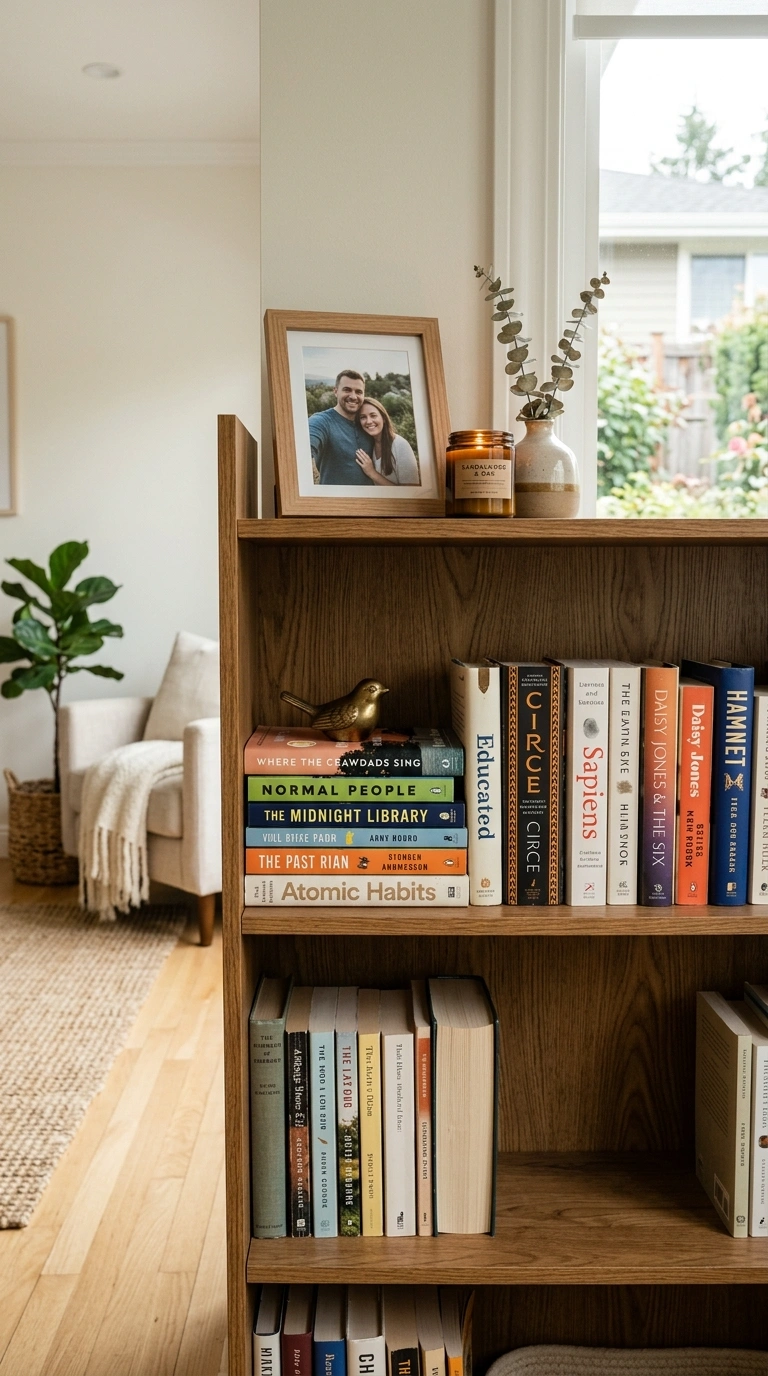
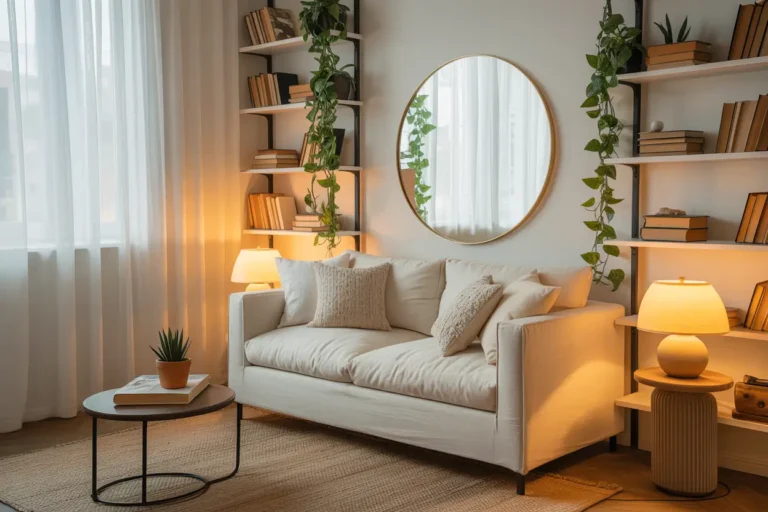
A bookshelf packed edge to edge with books alone tends to look busy rather than intentional. Styling a bookshelf with a mix of books, small decor objects, and a bit of open space turns ordinary storage into a real design feature in a living room or home office.
Group some books upright and stack others flat with a small object, like a candle or small vase, resting on top of the stack. Add a few personal items, like framed photos or small pottery pieces, between book groupings to break up the visual rhythm. Leave at least one section of the shelf empty or lightly styled so the whole thing does not feel crowded. A well-styled bookshelf gives a room personality that mass-produced decor alone cannot match.
13. Coffee Table Tray
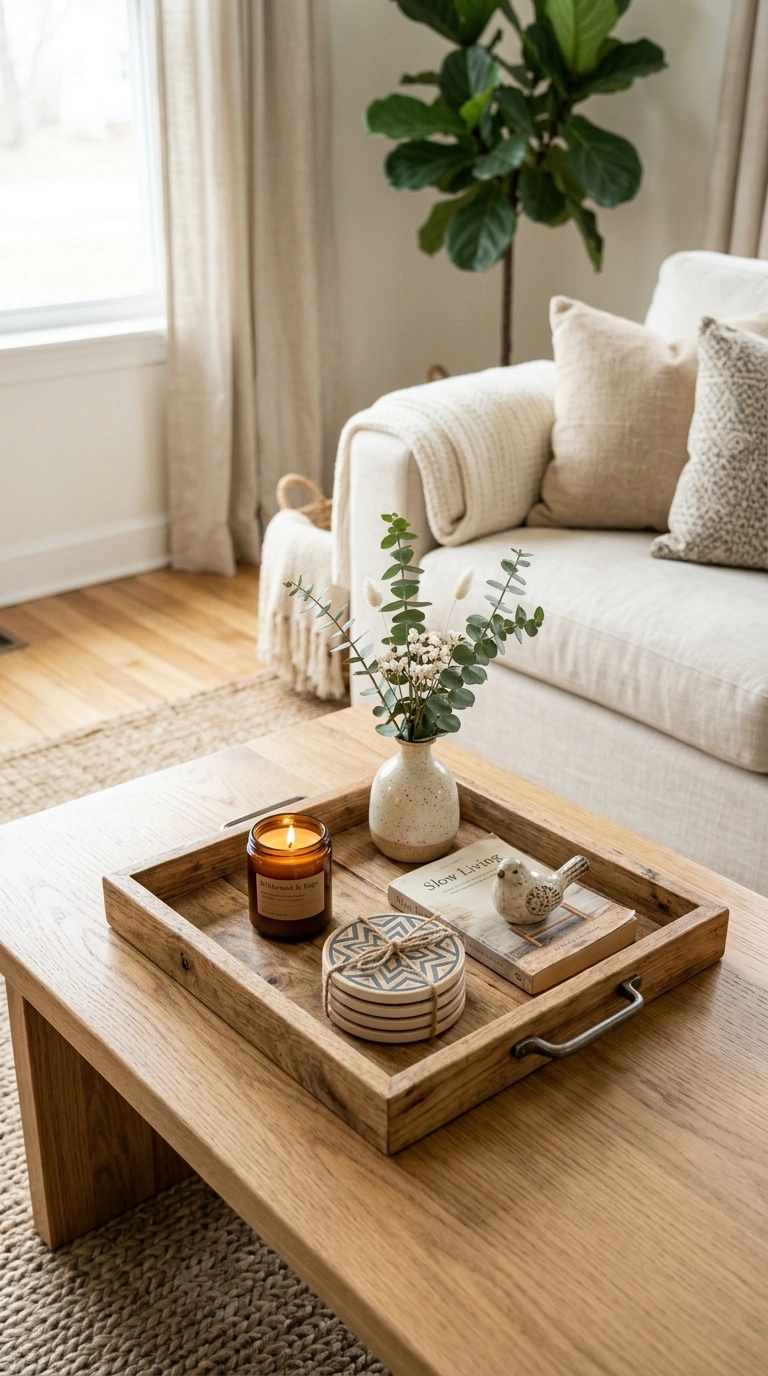
A coffee table covered in remote controls, mail, and random clutter pulls focus away from an otherwise nice living room. Placing a simple tray on the table gives you a defined spot to corral small items while adding an intentional styled layer to the room.
Choose a wood, marble, or woven tray that matches the room’s other materials, then style it with two or three items, like a small candle, a stack of coasters, and one small object like a bud vase. Keep everything on the tray at a slightly different height for visual interest rather than laying items flat and even. This trick works on ottomans as well as traditional coffee tables. A styled tray is a small detail, but it makes a coffee table look finished rather than functional only.
14. Entryway Bench
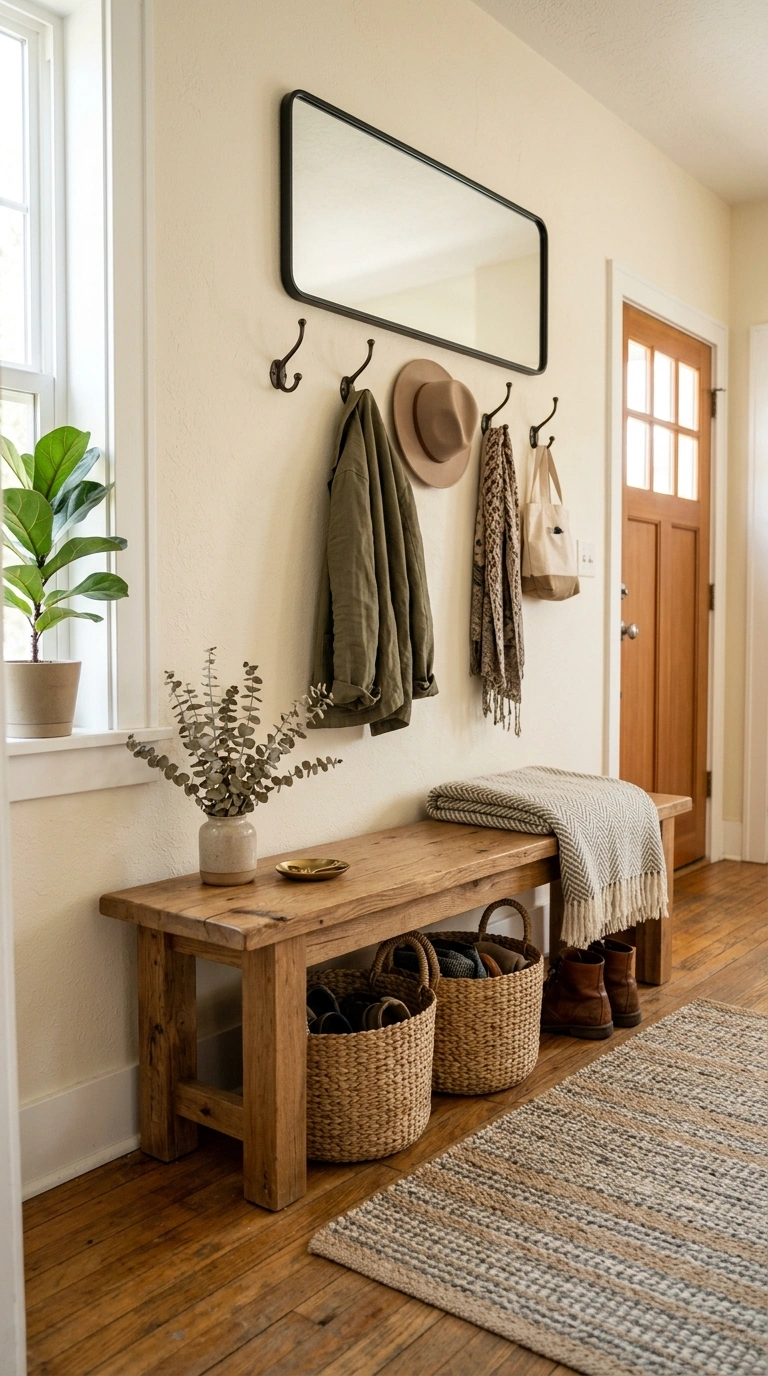
A bench placed near the front door gives a home’s entryway both function and style, offering a place to sit while putting on shoes and a natural spot to anchor the space visually. This idea works well in hallways, mudrooms, and any entry with a bit of wall space to spare.
Choose a bench with either storage underneath or a few woven baskets tucked beneath it for shoes and bags. Add a cushion or a folded throw on top for comfort and color, and hang a few hooks above it for coats and bags. Pair the bench with a small rug underneath to define the space and add warmth to what is often a hard-floored area. An entryway with a styled bench feels far more welcoming than one with just a bare floor and a door.
15. Framed Mirror Bathroom
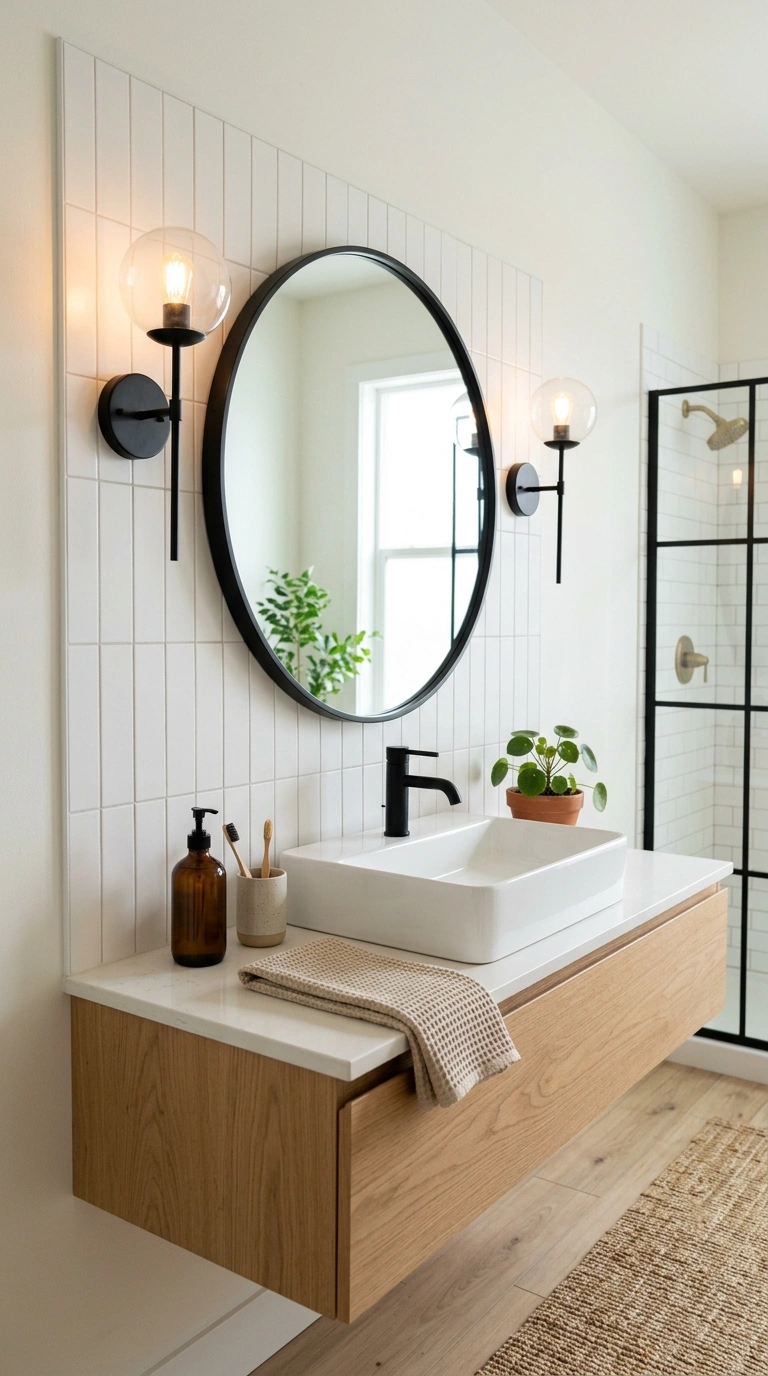
Builder-grade bathroom mirrors are often plain rectangles with no frame at all, which can make an otherwise nice bathroom feel unfinished. Adding a framed mirror, or a mirror frame kit over an existing mirror, instantly upgrades the space without the cost of a full bathroom remodel.
Choose a frame material that complements your existing fixtures, like matte black for modern hardware or warm wood tones for a more traditional bathroom. Round or arched mirrors soften a bathroom full of straight lines and hard tile edges. Pair the new mirror with updated lighting on either side if your budget allows, since better lighting makes the whole upgrade look even more intentional. This is one of the highest-impact, lowest-cost bathroom updates available.
16. Floating Shelves Kitchen
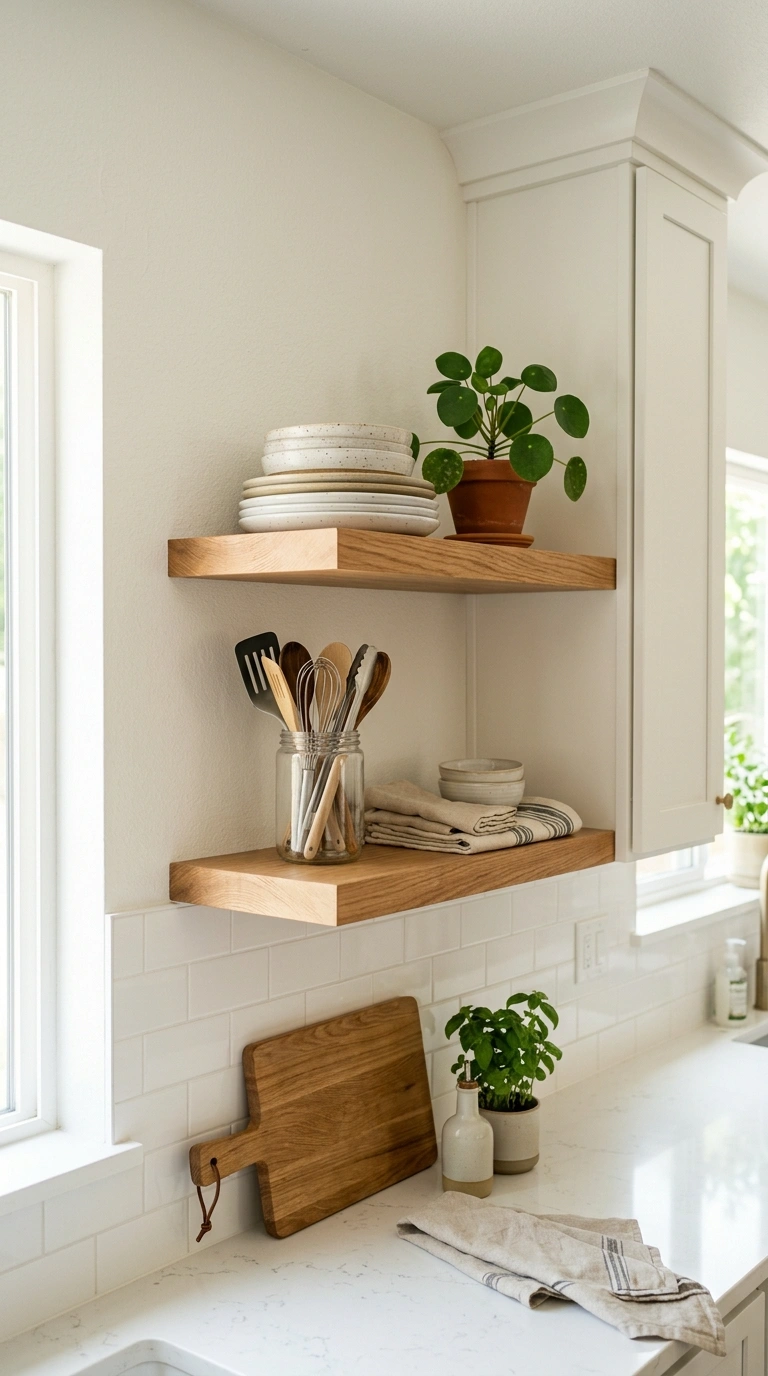
Open floating shelves in a kitchen give you a spot to display everyday dishes, glassware, and a few decorative pieces instead of hiding everything behind cabinet doors. This works especially well in kitchens with a bit of empty wall space near the stove or sink.
Install two or three shelves at slightly staggered heights rather than one long single shelf, which gives you more flexibility for styling. Stack plates and bowls by size, lean a cutting board against the wall for texture, and tuck in one small plant or a jar of cooking utensils. Keep the color palette on the shelves fairly consistent, like white dishes with wood cutting boards, so the display feels curated rather than cluttered. Floating shelves are also a great way to add storage in a small kitchen without the cost of new cabinetry.
17. Statement Rug Entry
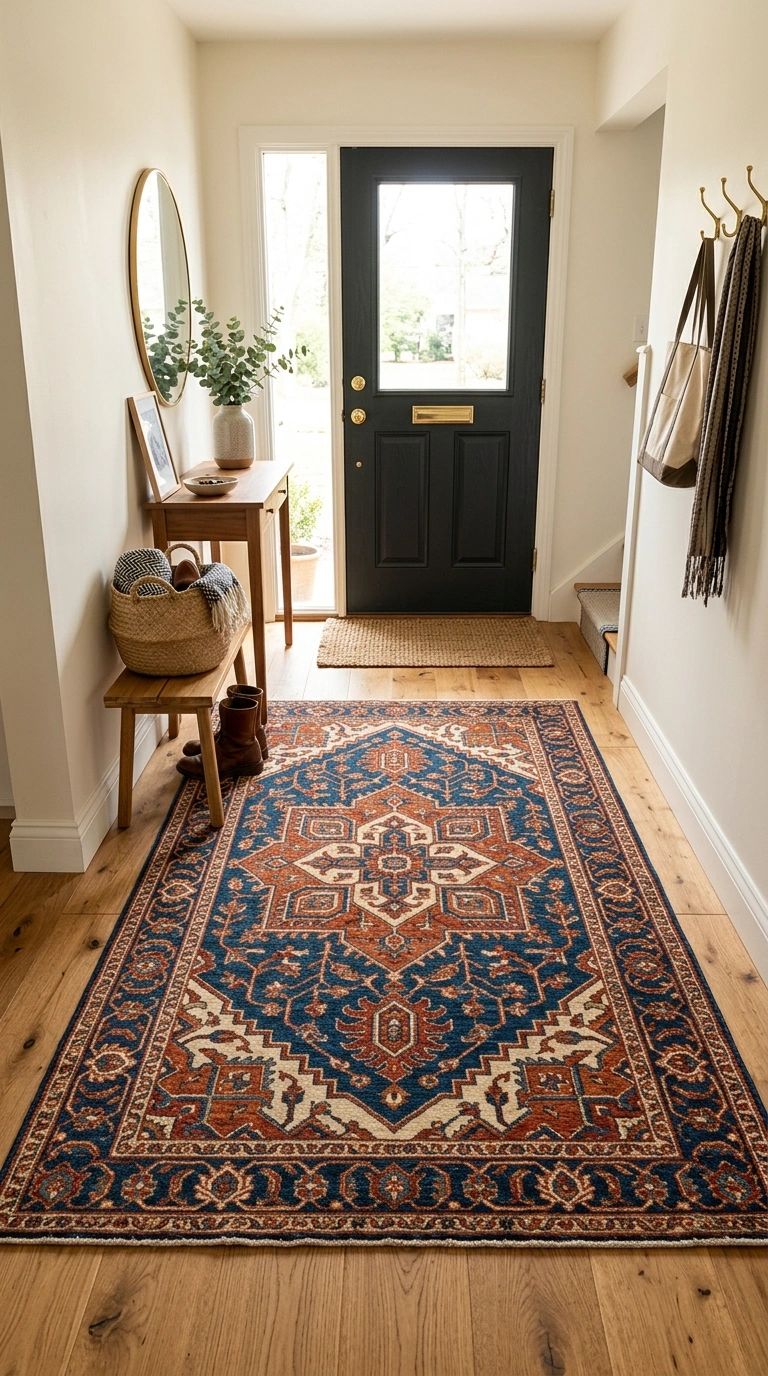
A patterned rug placed just inside the front door does more than protect the floor. It sets the tone for the whole house and gives visitors a strong first impression the moment they step inside. This works well in entryways with hard flooring like tile or wood.
Choose a rug in a bold pattern or deep color, since entryway rugs can handle more visual weight than rugs in quieter rooms like bedrooms. Size the rug so it fills most of the entry space without touching the walls on every side, leaving a small border of visible floor. A low-pile or flatweave rug works best here since it holds up well to foot traffic and is easier to clean. A statement entry rug is a small investment that makes a big first impression.
18. Wall Sconces
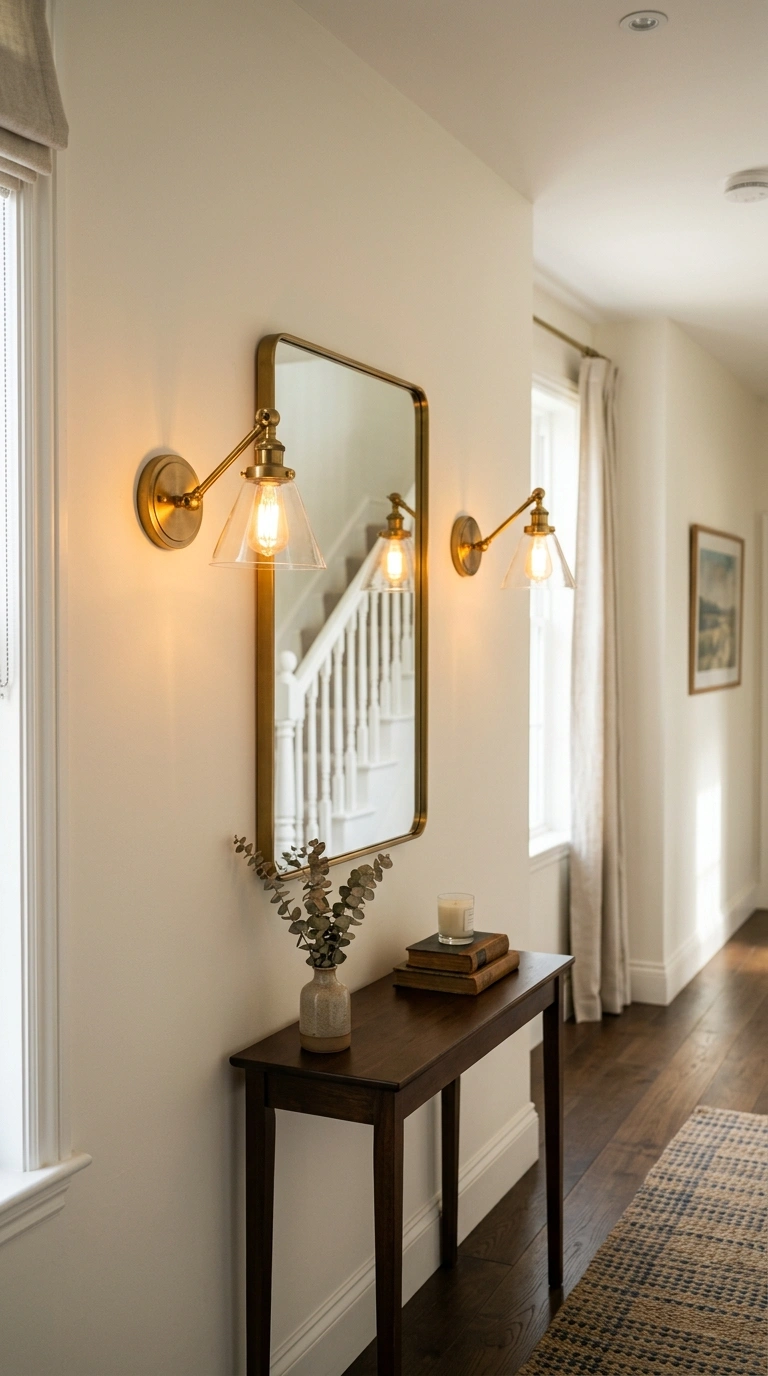
Wall-mounted sconces free up table and floor space while adding a soft, ambient glow that overhead lighting alone cannot match. They work especially well flanking a mirror, framing a piece of art, or lining a hallway where floor lamps are not practical.
Choose sconces with warm-toned bulbs and a simple shape, like a brass arm or a small fabric shade, so they add character without overwhelming the wall. Install them at roughly eye level when possible, usually around sixty inches from the floor, so the light falls at a flattering angle. Sconces on either side of a bathroom mirror also give more even, flattering light than a single overhead fixture. This upgrade adds both function and a designed look to hallways, bathrooms, and living rooms alike.
19. Vintage Rug Layer
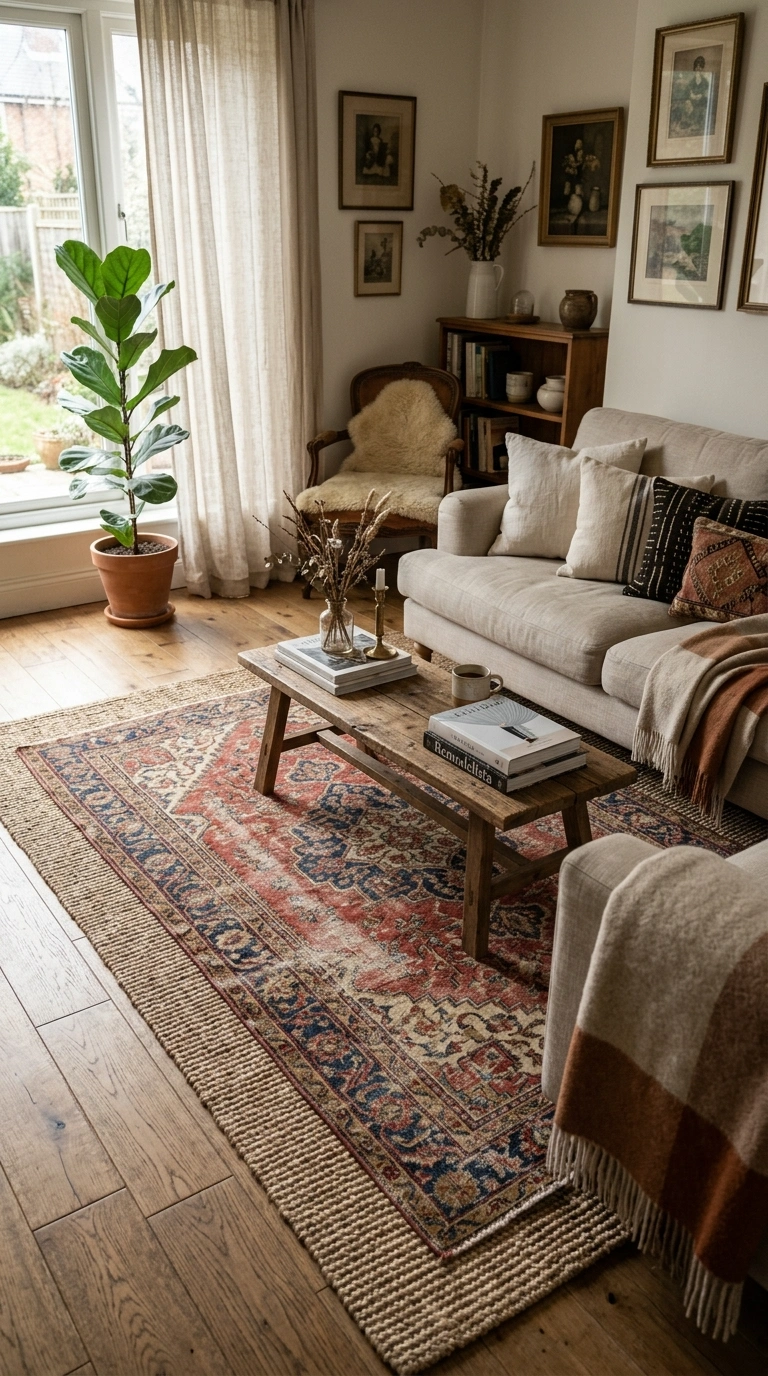
A worn, vintage-style rug with a faded pattern adds instant character to a room in a way that a brand-new rug rarely can. This works especially well in living rooms and dining rooms, where the slightly imperfect look gives the space a collected, lived-in feel instead of a showroom one.
Look for rugs with muted reds, blues, or rust tones, since these colors tend to pair well with most furniture and wall colors. Placing the rug slightly off-center or layering it over a plain jute rug adds even more depth. This style of rug also does a great job hiding minor stains or wear compared to a solid-color rug. A vintage-style rug is often the single item that makes a room feel like it has history, even in a newly built house.
20. Painted Front Door
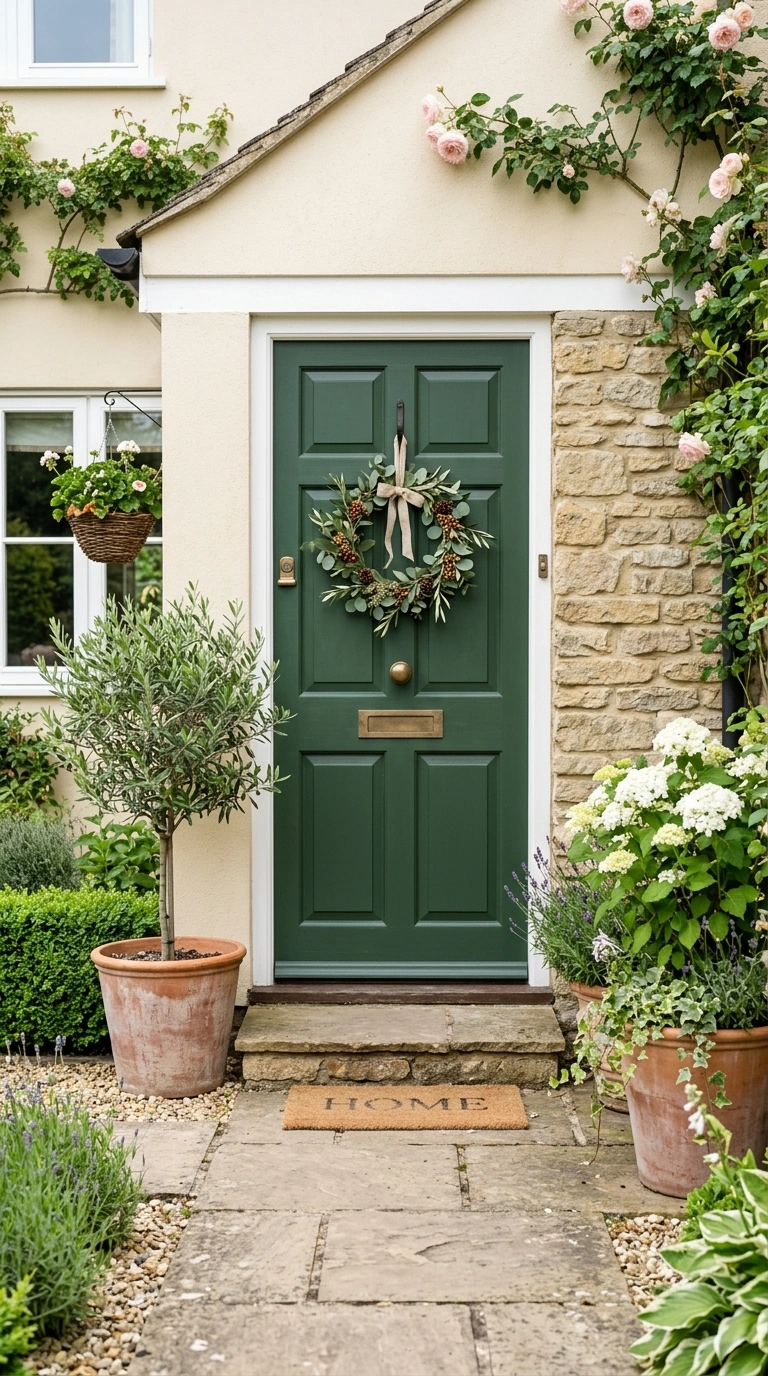
The front door is one of the first things anyone sees, yet it is often left the same plain color it came with from the factory. Painting the front door a bold color, like deep green, navy, or a warm red, gives a home instant curb appeal and personality.
Choose a color that stands out against your home’s siding or brick without clashing, and consider the color of your porch light fixtures and house numbers as part of the overall look. A semi-gloss or gloss finish holds up well to weather and gives the door a polished, slightly reflective look. Add a simple wreath or a pair of potted plants on either side of the door to complete the look. A freshly painted front door is one of the highest-impact, lowest-cost updates a home can get.
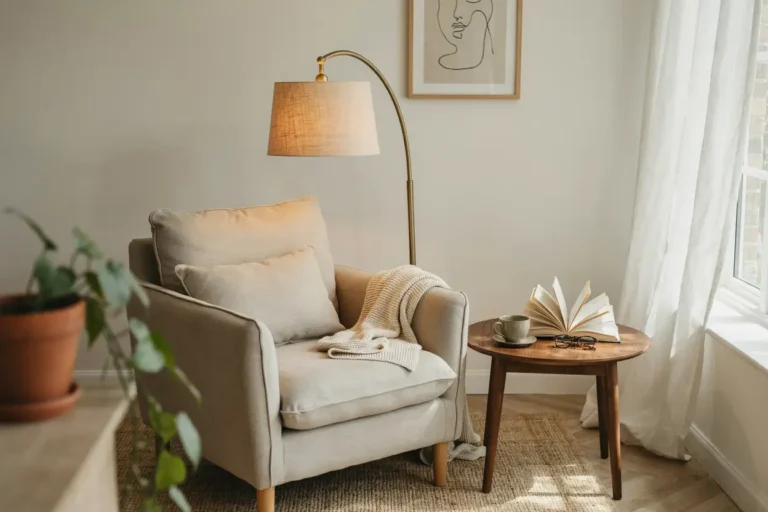
21. Cozy Reading Corner
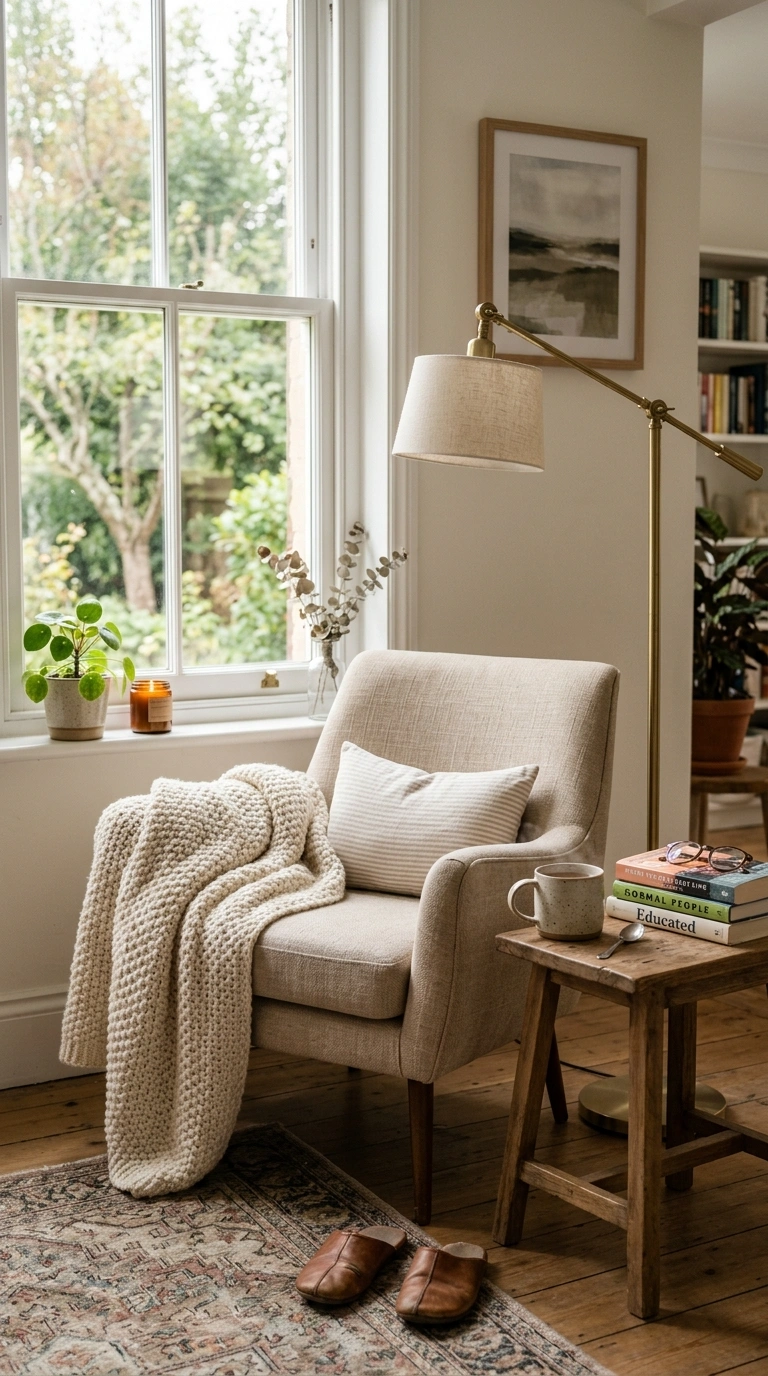
A reading corner in a living room or sunroom gives a home a quiet, intentional spot that feels separate from the busier parts of the house. All it really needs is a comfortable chair, good lighting, and a small table within reach, but the effect on the room is much bigger than the effort required.
Position the chair near a window for natural light during the day, and add a floor lamp beside it for evening reading. A small side table holds a stack of books, a mug, and maybe a small plant, while a floor pillow or ottoman adds a place to rest your feet. Layer in a throw blanket over the arm of the chair to make the spot look as inviting as it feels. A well-styled reading corner often becomes one of the most photographed spots in the whole house.
FAQs
What is the easiest way to make a room look more decorated without buying furniture?
Rearranging what you already own, like grouping plants, restyling a shelf, or layering pillows and rugs, makes a noticeable difference without spending anything.
Which room updates give the best return for the least effort?
Lighting changes, a painted front door, and a new mirror tend to have the biggest visual impact for the smallest amount of time and money.
How do I decorate a room without it looking cluttered?
Group items in odd numbers, vary their heights, and always leave some open space on shelves and tables so the eye has somewhere to rest.
Do accent walls still look good, or are they outdated?
Accent walls remain popular because they add a focal point without the cost of painting an entire room, especially in deep, warm colors.
What is a good starting point if I do not know where to begin decorating?
Start with the entryway or the wall behind your main seating area, since these spots get the most attention and make the biggest first impression.