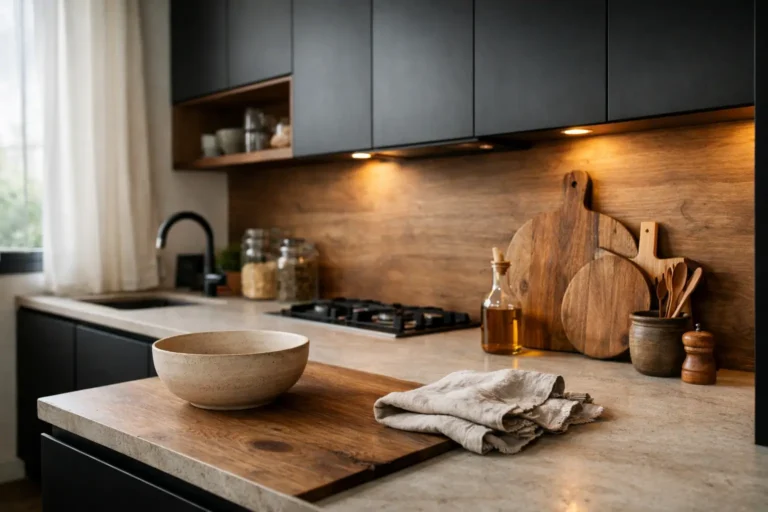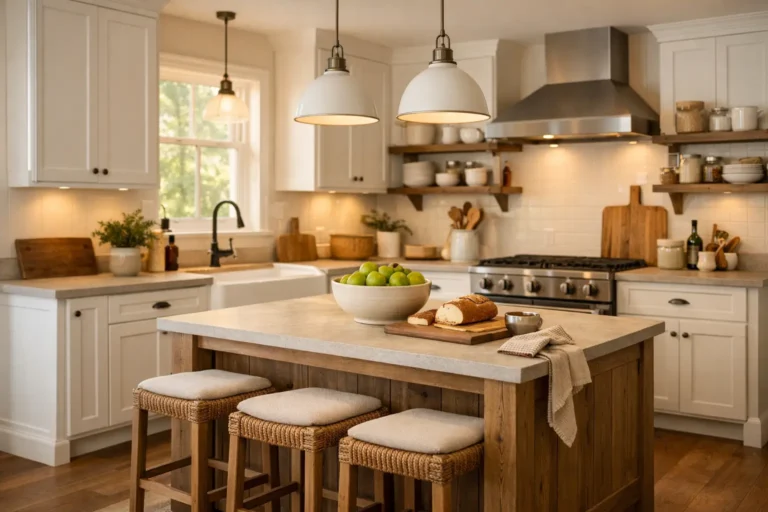
Kitchen Trends That Feel Outdated in 2026 and What to Try Instead

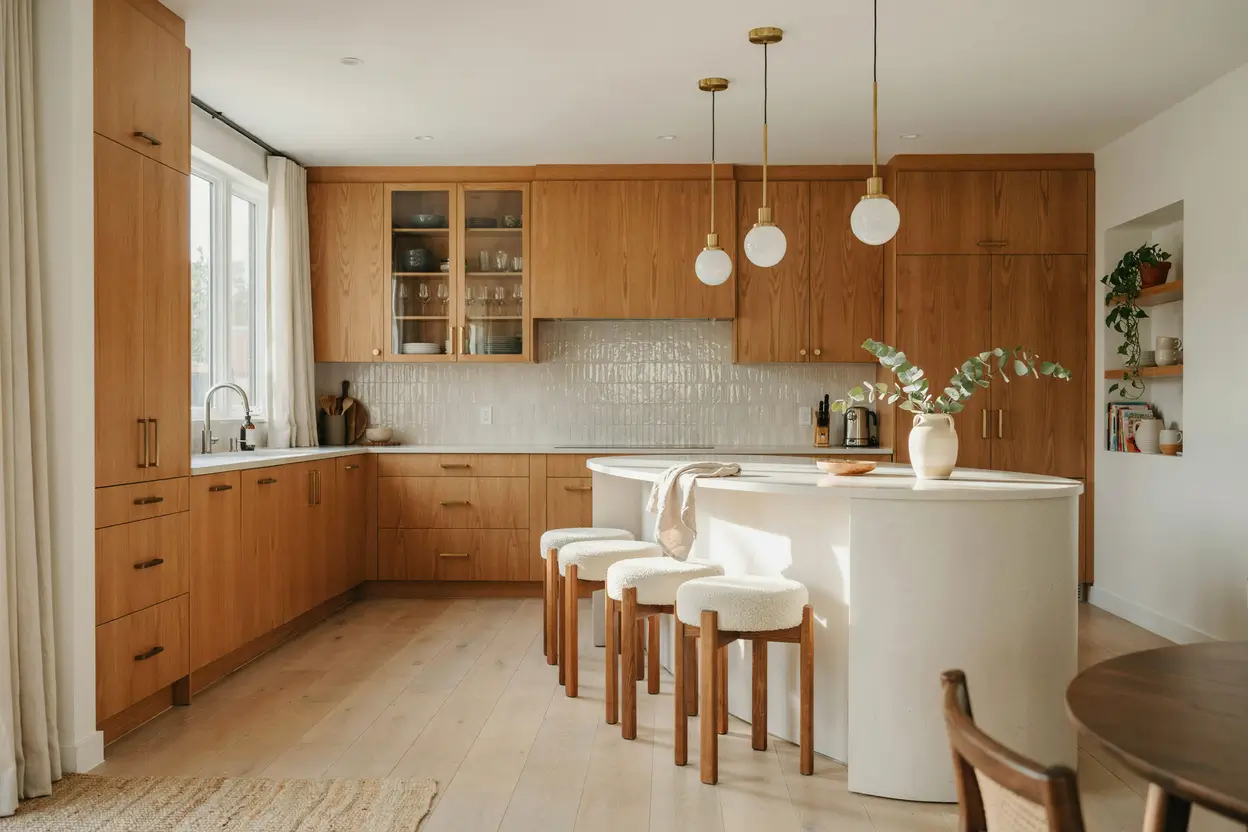
I was scrolling through old kitchen renovation photos the other night, the kind people posted proudly just a few years back, and it hit me how quickly a kitchen can start to feel like it belongs to a different decade. Nothing about these kitchens was wrong exactly. They were just very much of their moment, and that moment has passed. If your kitchen feels a little flat lately, it might not be your imagination. Certain choices that felt fresh and safe a few years ago are starting to look tired next to newer kitchens. The good news is that most of these updates do not require ripping out cabinets or spending a fortune. Here are ten kitchen trends that are quietly losing their shine, along with simple, realistic ways to bring your kitchen back into the current moment.
1. All White Cabinets
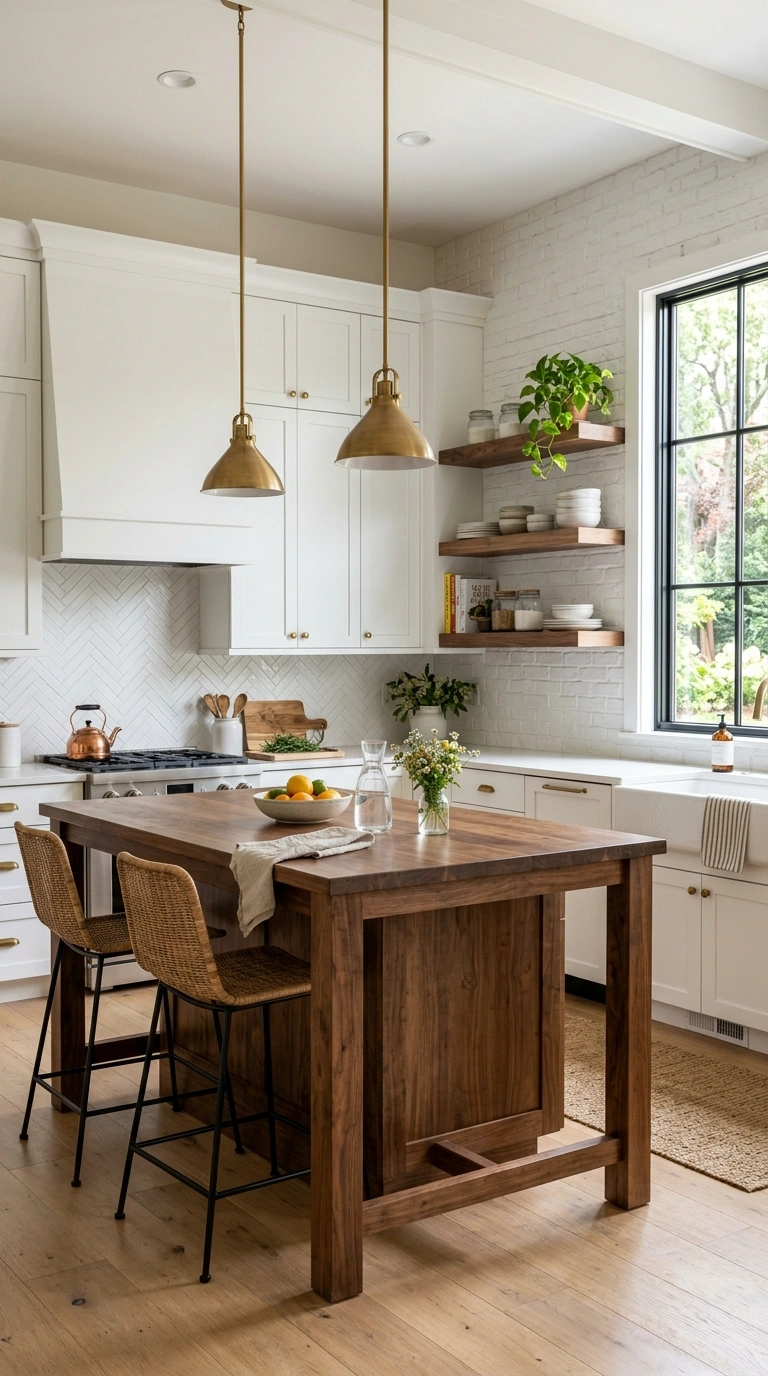
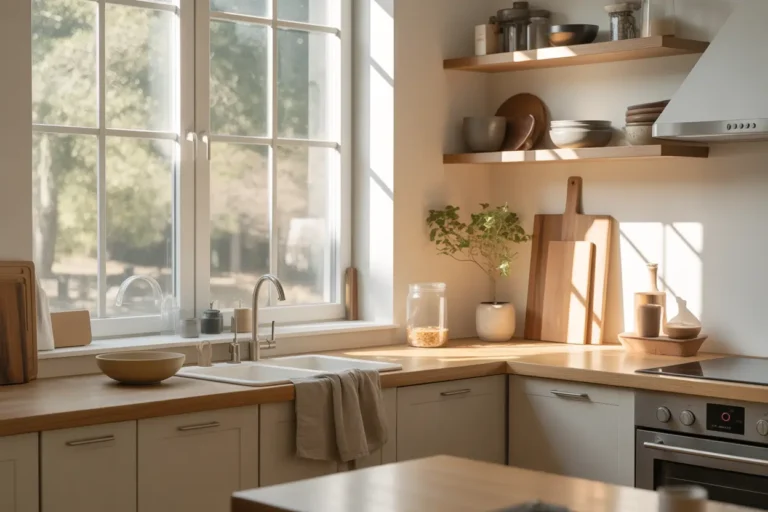
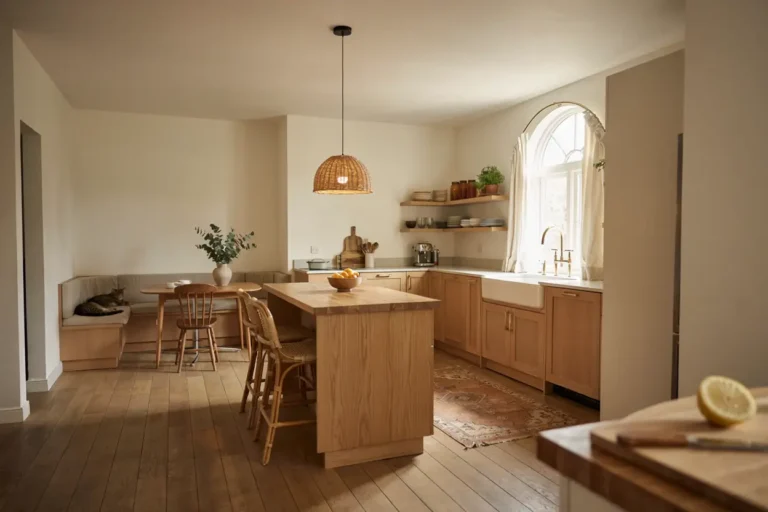
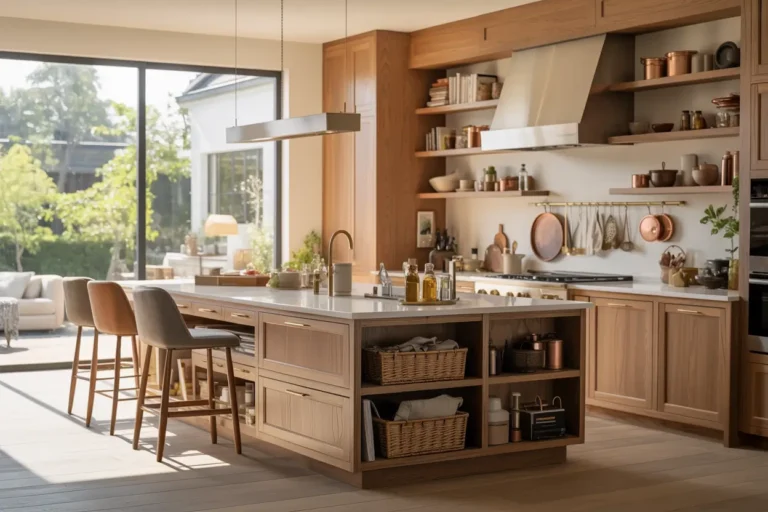
All white cabinets were the safe choice for years, but a kitchen that is entirely white from floor to ceiling now tends to read as flat and a little sterile compared to newer kitchens that use warmer materials. The fix is not to abandon white completely, since it is still a great base color, but to bring in warm wood tones somewhere in the room. A wood island in walnut or oak, wood open shelves against white upper cabinets, or even a butcher block countertop on one section of the kitchen breaks up the flatness immediately. If replacing cabinets is not realistic right now, adding warm wood bar stools, a wood cutting board displayed on the counter, or a rattan pendant light above the island brings in that missing warmth. The goal is contrast, since white next to warm wood feels far more current than white on white on white.
2. Gray Everything
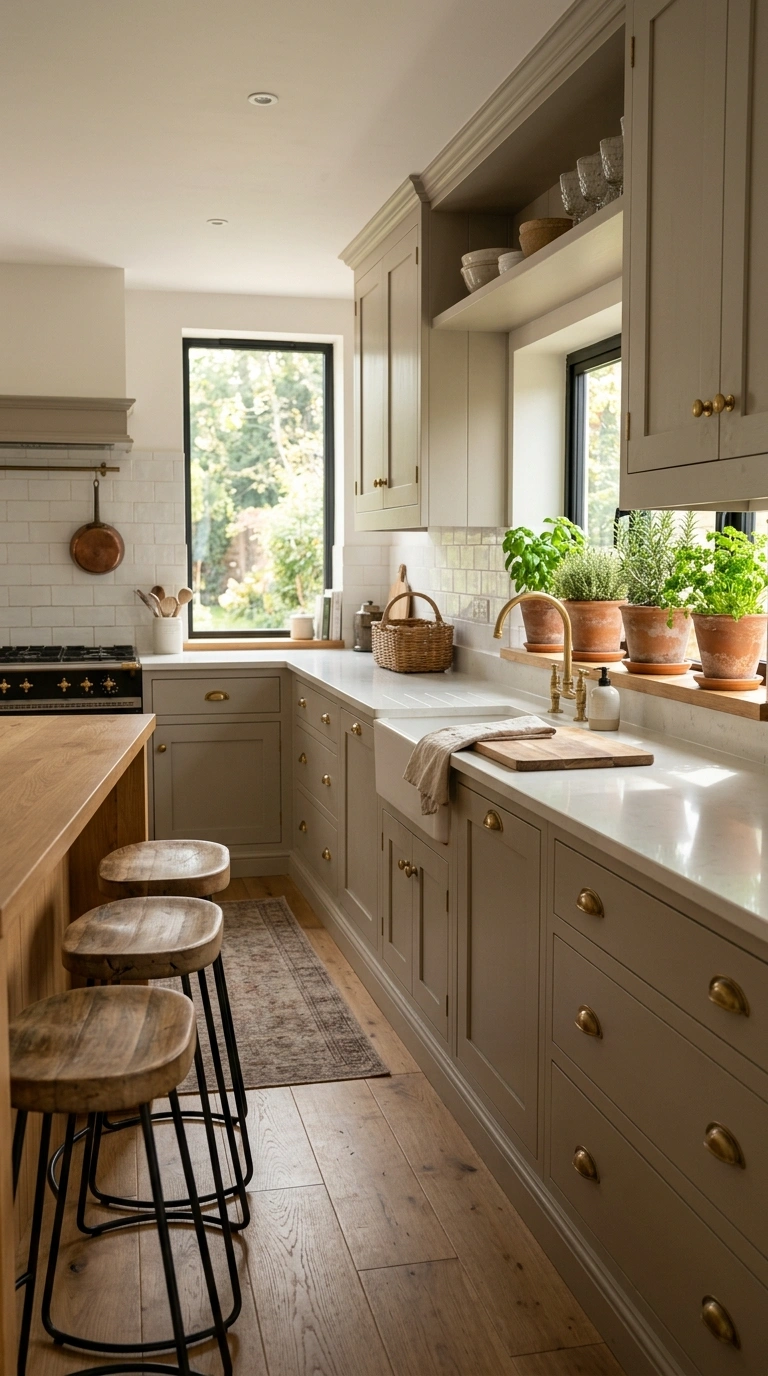
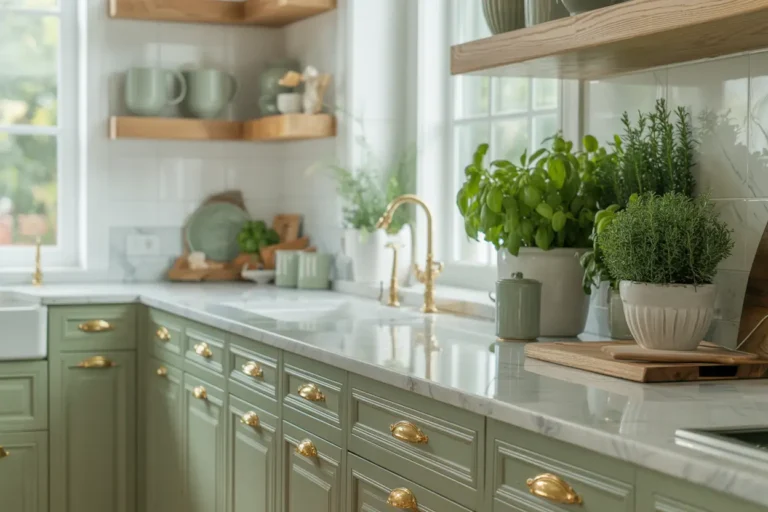
Gray had a long run as the go to neutral for cabinets, countertops, and walls all at once, but an entirely gray kitchen now often feels cold rather than calm. The current shift is toward warmer neutrals like greige, soft taupe, cream, or even warm sage green for cabinetry, paired with countertops that have some warmth or movement in them rather than flat cool gray stone. If your cabinets are already gray and painting is not in the cards, warm up the room with brass or matte black hardware, wood bar stools, and warm toned lighting, since a 2700 kelvin bulb can soften a cool gray room noticeably. Adding a few terracotta pots with herbs on the windowsill or a woven rug in a warm tone on the floor also helps balance out cool gray tones without touching the cabinets at all.
3. Subway Tile Overload
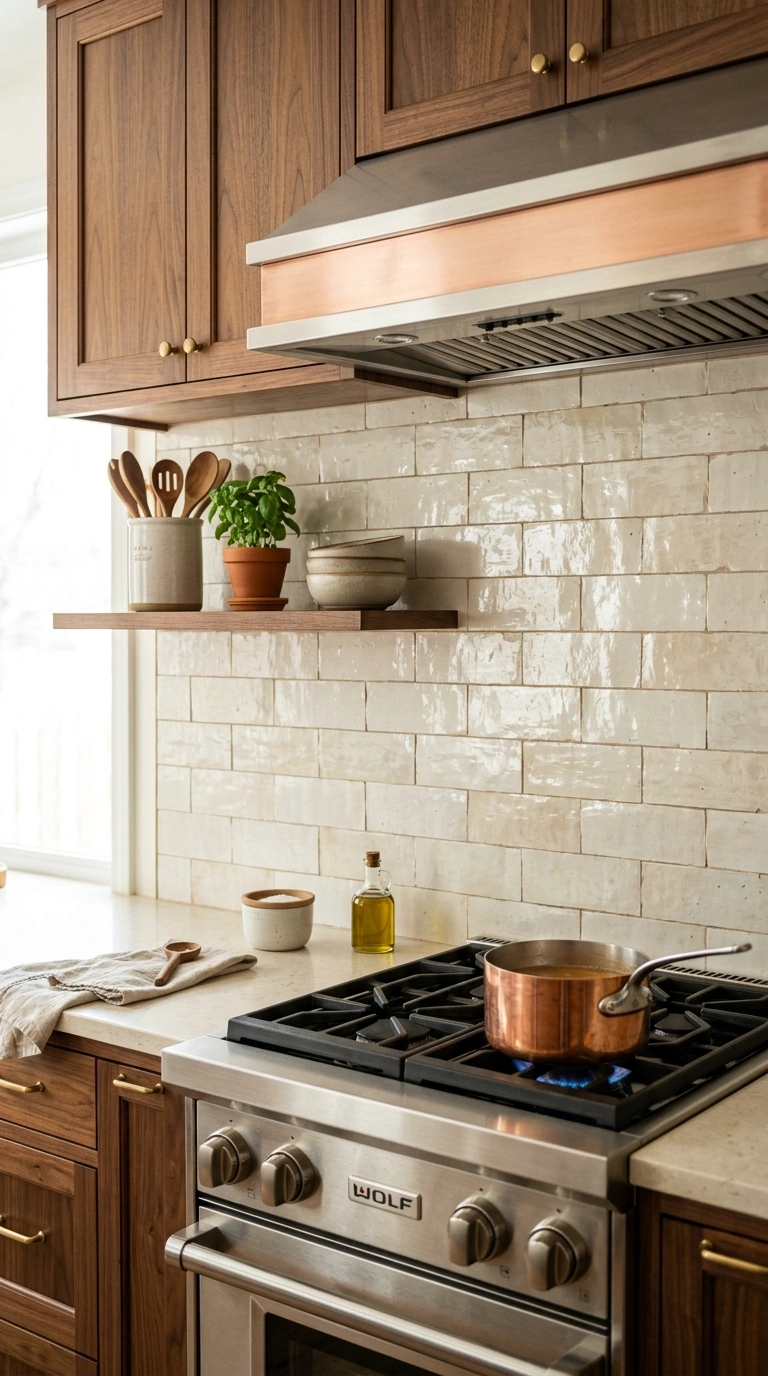
Plain white subway tile in a straight brick pattern was everywhere for a good decade, and while it is not a bad tile, using it as the only backsplash choice now reads as a bit predictable. Newer kitchens are leaning toward tile with more texture and personality, like handmade zellige tile with slight color variation, fluted or ribbed ceramic tile, or a simple checkerboard pattern using two warm tones. If a full backsplash replacement is too big a project right now, consider tiling just behind the stove as a statement zone while keeping the rest of the wall simple, or add a tile with texture in a small area like a coffee bar or open shelf backsplash. Even changing the grout color on existing subway tile to a warm tone instead of stark white can shift the whole feel of the kitchen with very little effort or cost.
4. Farmhouse Sinks Everywhere
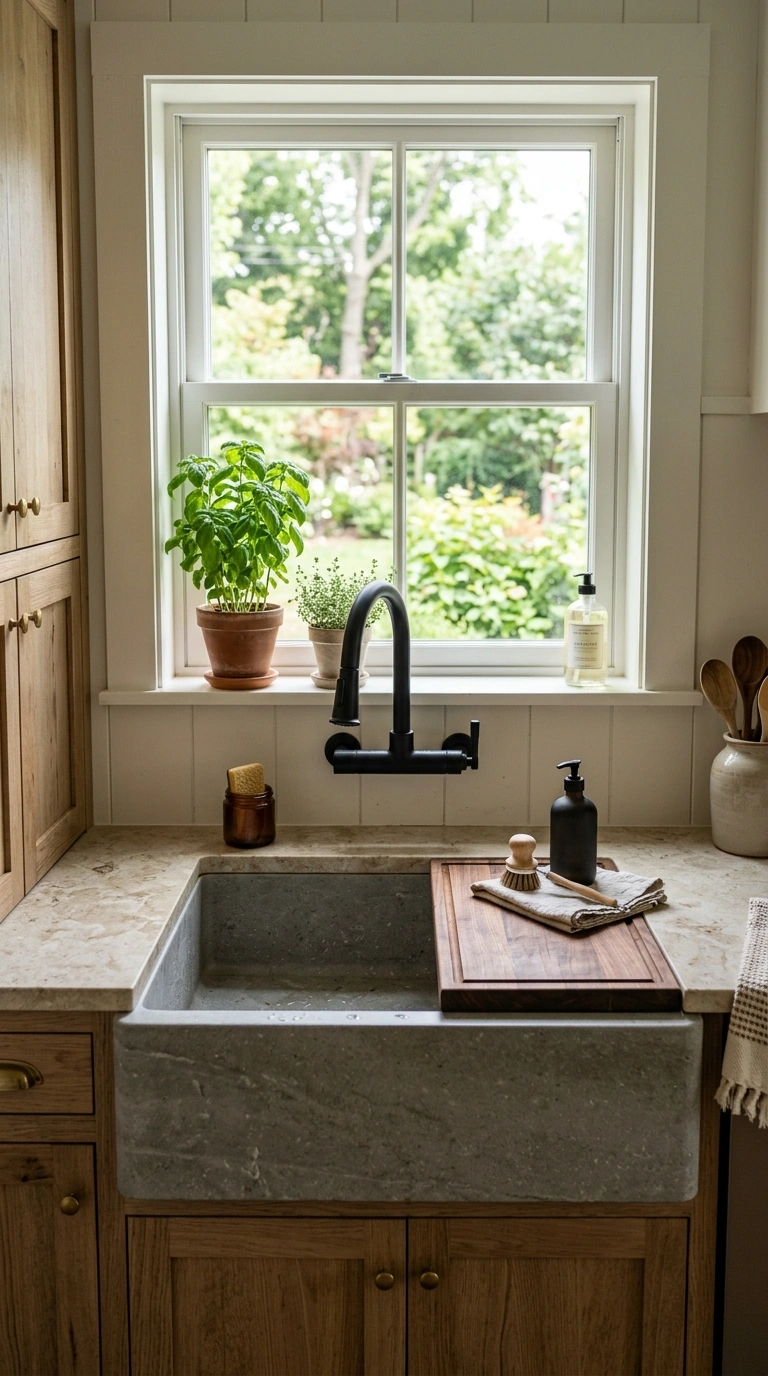
The oversized white farmhouse sink became such a default choice that it started to feel less like a design decision and more like a box being checked. Newer kitchens are moving toward sinks that fit the scale and style of the actual room, which sometimes means a sleek integrated stone sink that matches the counter, or a smaller apron front sink in a warm material like fireclay with a colored finish instead of plain white. If replacing your sink is not practical, styling around it makes a difference, such as adding a wood cutting board that rests across part of the sink, a small potted herb plant on the windowsill above it, or swapping a chrome faucet for one in warm brass or matte black. These small changes shift the attention away from the sink shape itself and toward the overall styling of that corner of the kitchen.
5. Open Shelving Overuse
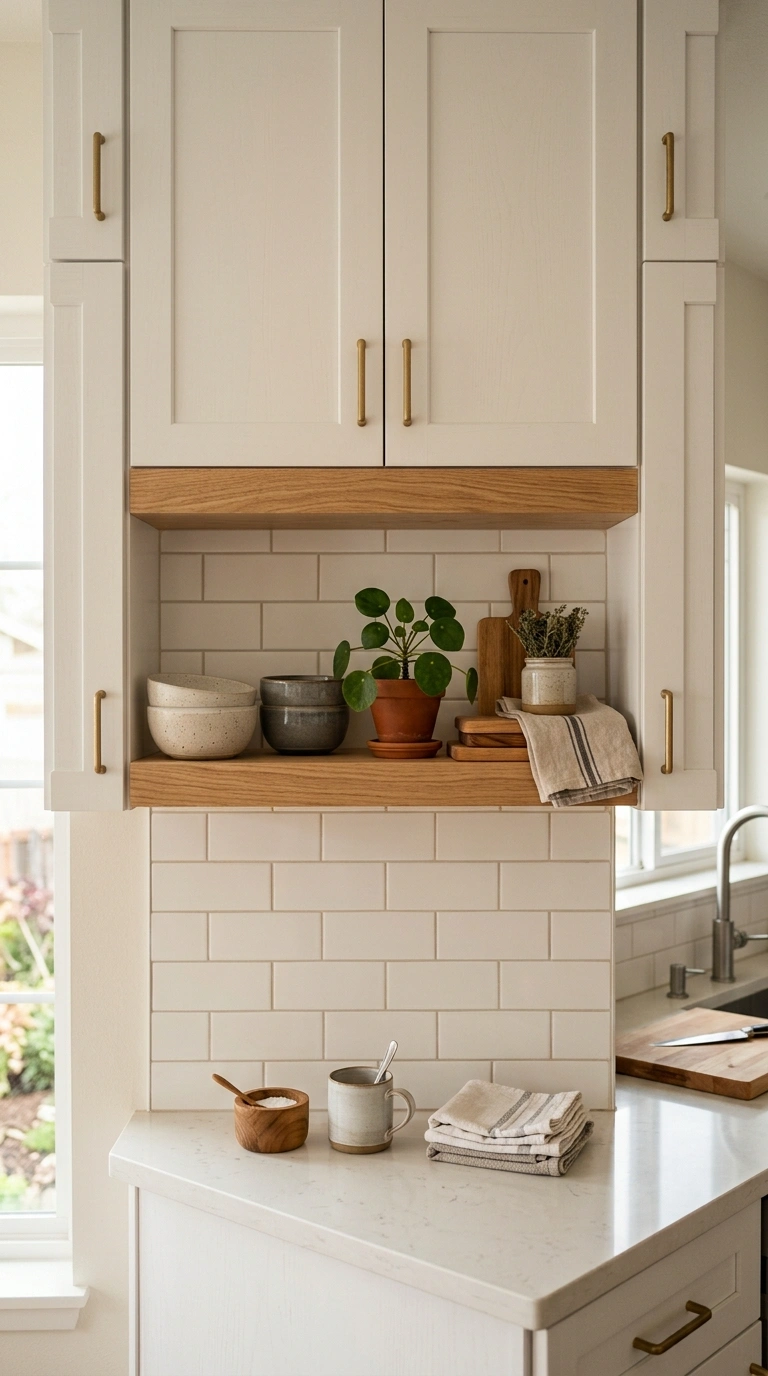
Open shelving looked wonderful in photos of perfectly styled kitchens, but in real life, having every single upper cabinet replaced with open shelves often just means more visible clutter and more dusting. The current approach uses open shelving sparingly, often just one or two shelves in a single spot, like above a coffee station or beside a window, while the rest of the kitchen keeps closed cabinets for actual storage. If you already tore out cabinets for full open shelving, styling just one section with a few chosen items, like ceramic bowls, a small plant, and neatly stacked plates, while adding simple curtains or a cabinet door to hide the messier shelves nearby keeps the good parts of the look without the constant upkeep of a fully open kitchen.
6. Cold Pendant Lighting
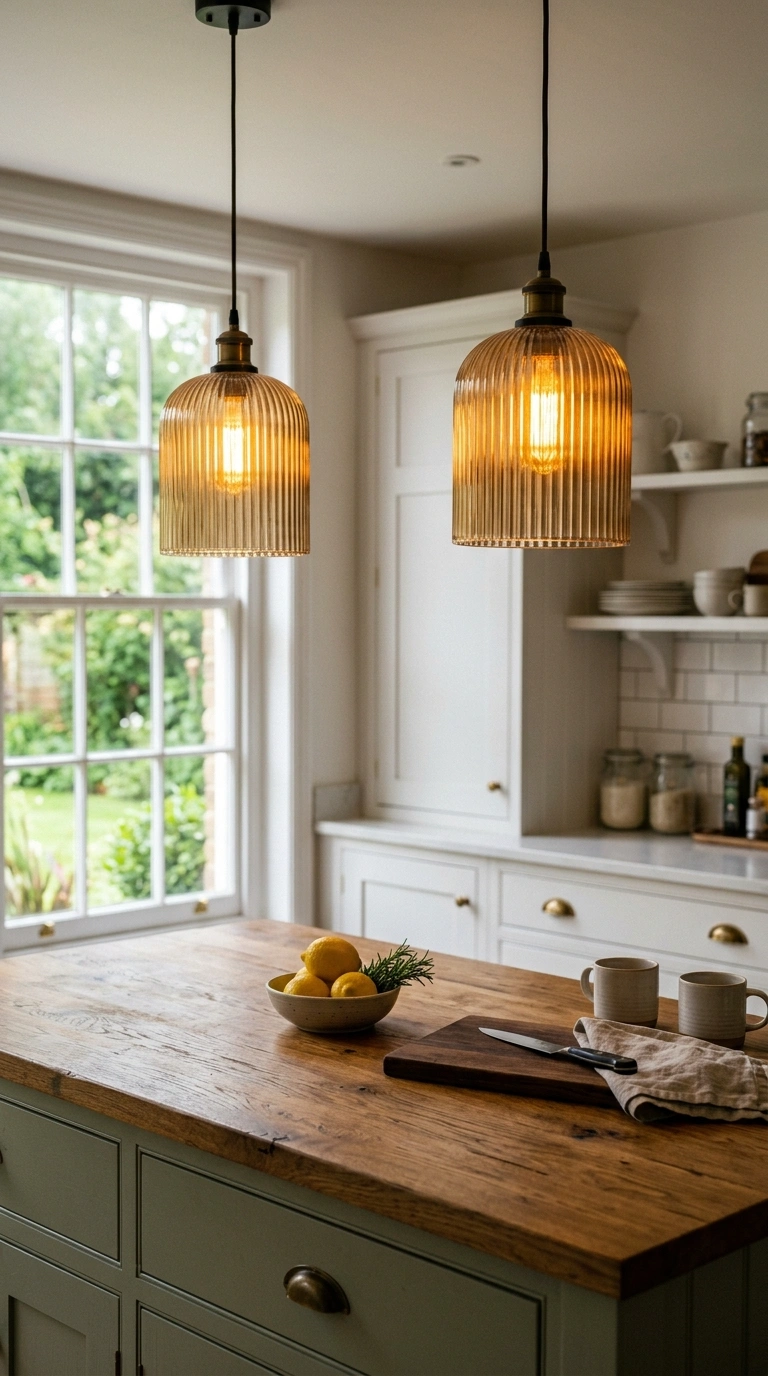
Bare bulb pendant lights and stark metal fixtures with cool white bulbs were a popular way to add an industrial touch to kitchens, but that cold, exposed look is starting to feel a little harsh compared to the softer lighting showing up in newer kitchens. Warmer alternatives include fluted or ribbed glass pendants, woven rattan or paper lantern style fixtures, and simple frosted glass domes, all paired with warm toned bulbs instead of cool white ones. Swapping just the bulbs in your existing fixtures from cool white to warm white, around 2700 kelvin, is one of the fastest and cheapest ways to soften a kitchen instantly. If you are ready to replace the fixture itself, choosing one or two pendants with a bit of shape or texture over the island makes a bigger difference than people expect for a relatively small project.
7. Matching Metal Finishes
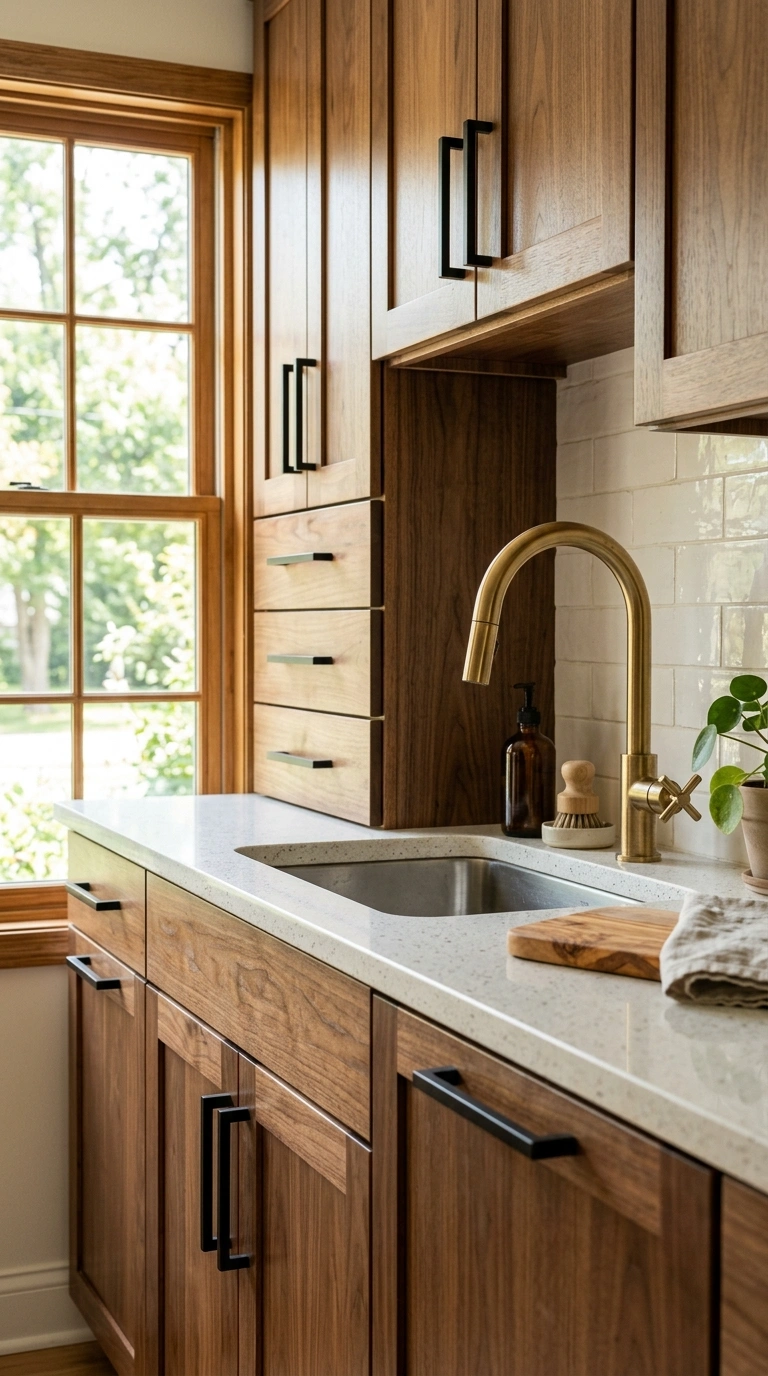
Kitchens where every single metal element matches exactly, from the faucet to the cabinet pulls to the light fixtures, once felt like the safe and polished choice, but that perfectly matched look now tends to feel a bit flat and showroom like. Current kitchens mix two metal tones on purpose, most often pairing a warm tone like brass or gold with a cooler tone like matte black or brushed nickel. A brass faucet with matte black cabinet pulls, or black pendant lights above an island with brass drawer hardware, gives the kitchen a more collected, natural feel. The easiest way to try this without replacing everything is to swap just your cabinet hardware to a second metal tone, keeping the faucet and lighting as they are, which introduces the mixed metal look gradually and affordably.
8. Bare White Walls
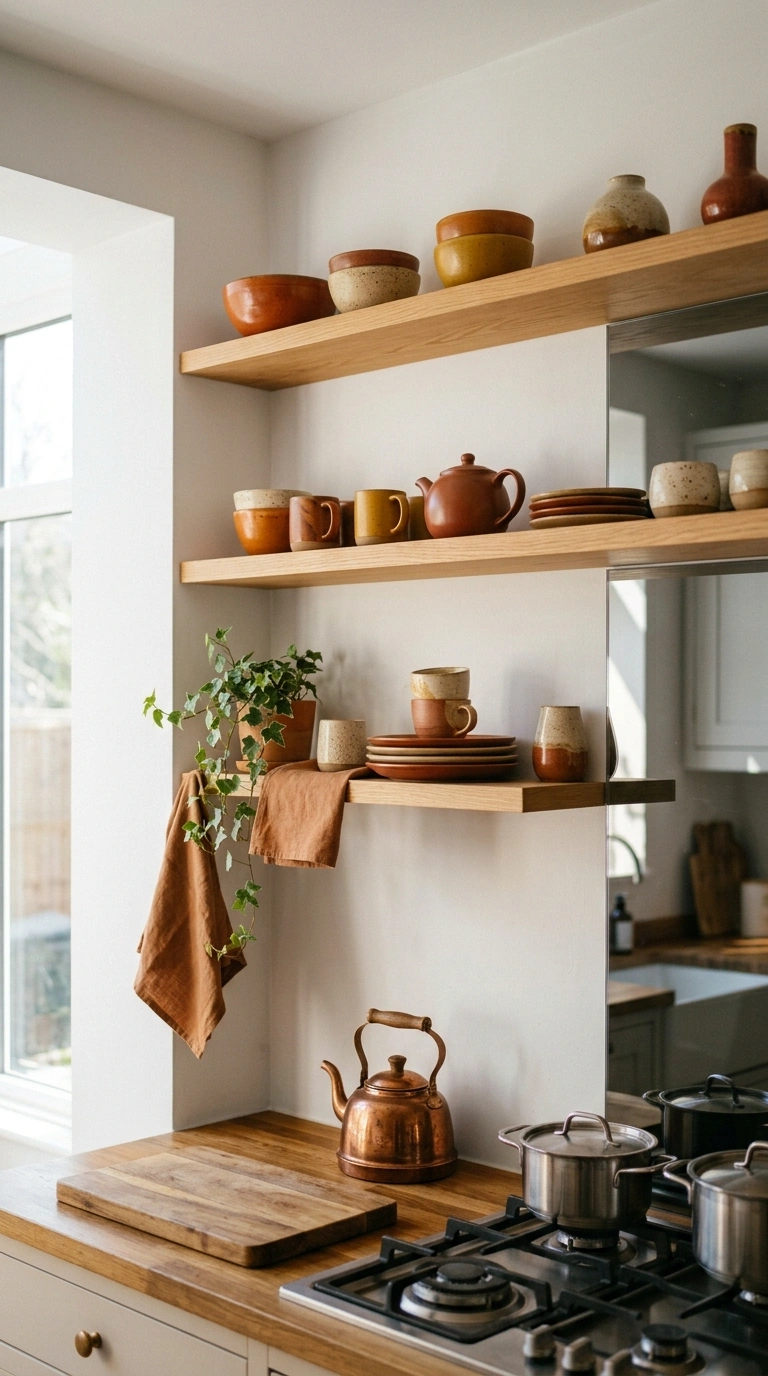
Plain white walls with no texture or color were the default backdrop for kitchens for a long stretch, but next to warmer, more layered kitchens, a bare white wall can feel like an unfinished thought. Current kitchens are bringing in color through a soft painted wall in a warm tone, textured plaster finishes, or even wallpaper in a small section like above open shelving or inside a pantry. If a full repaint feels like too much, adding a large piece of art, a woven wall hanging, or open shelves styled with warm colored ceramics against the white wall breaks up the blankness without any paint at all. Even a simple runner rug in a warm pattern on the kitchen floor draws the eye down and helps the white walls feel more intentional rather than empty.
9. Builder Grade Hardware
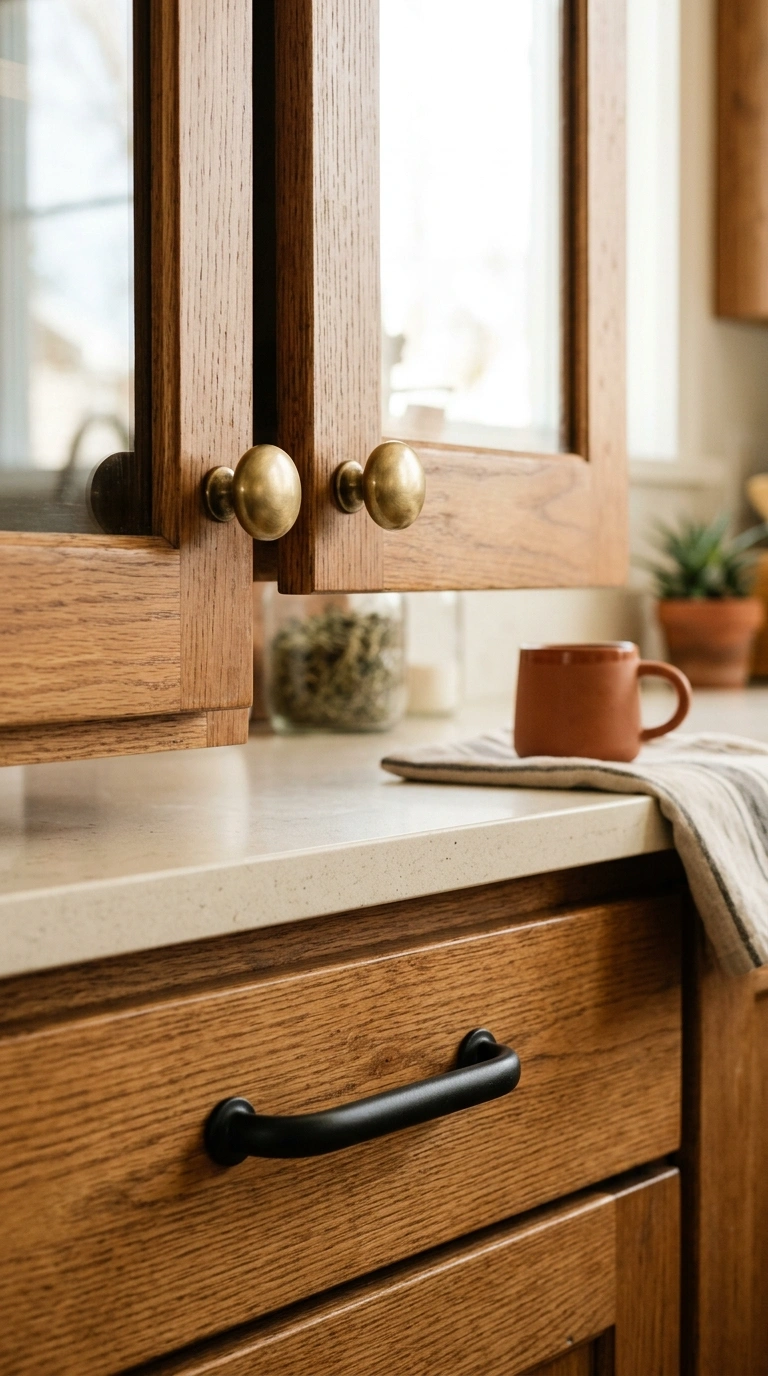
Plain, thin metal cabinet pulls that came standard with most kitchen builds are one of the easiest things to spot as dated once you know to look for them. Swapping this hardware for pulls and knobs with a bit more shape, like a rounded knob, a curved bar pull, or a slightly chunkier profile in warm brass or matte black, is one of the most affordable updates on this entire list. This project usually takes a single afternoon with a screwdriver and a drill, and it does not require touching the cabinets themselves at all. Choosing hardware with a slight texture, like a hammered or fluted finish, adds even more character for very little extra cost. This small swap alone can make an entire kitchen feel noticeably more current without any other changes.
10. Boxy Kitchen Islands
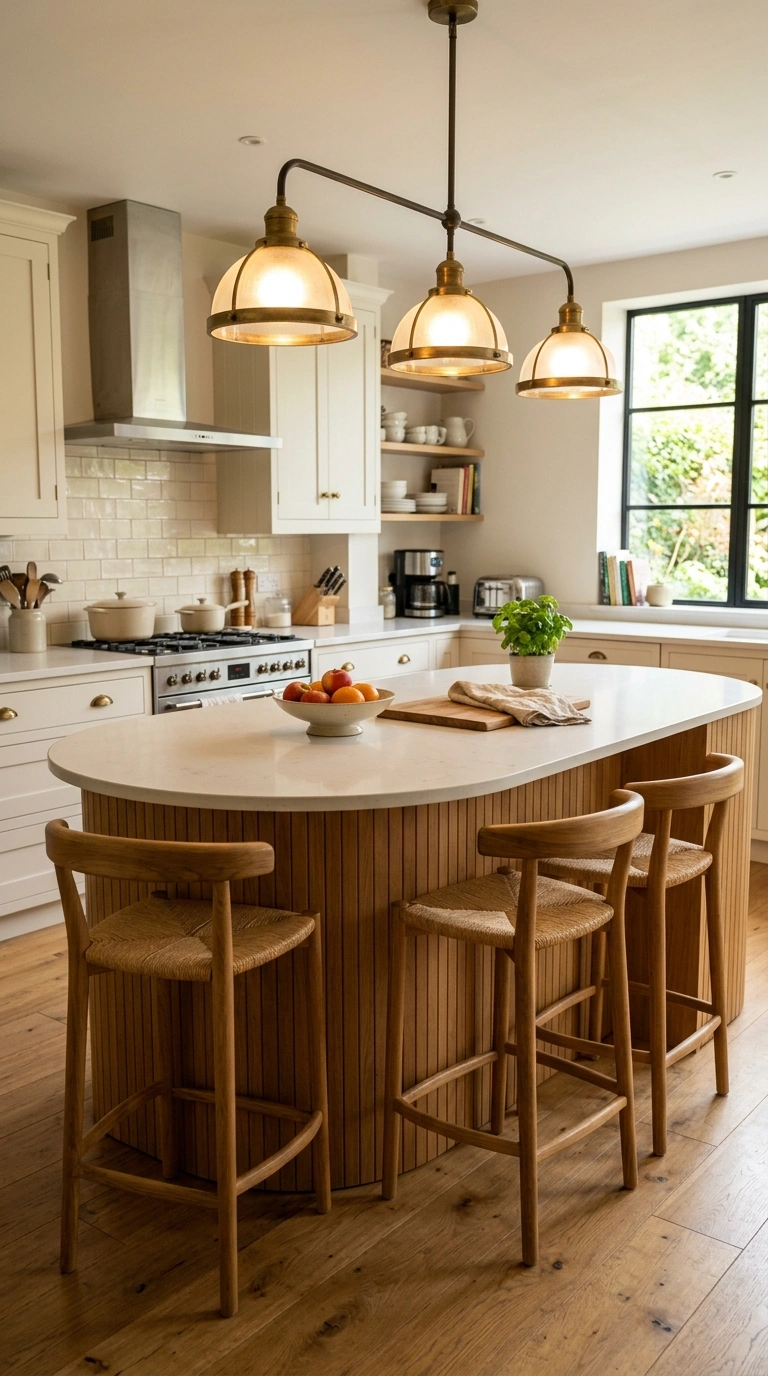
A plain rectangular island with sharp square corners has been the standard shape for so long that it now reads as a bit ordinary next to newer kitchen designs. Islands with a curved end, a rounded corner, or a fully oval shape are showing up more often because they soften the whole kitchen and make the space feel less like a row of straight lines. If replacing your island is not something you can do right now, adding rounded bar stools instead of square ones, or a curved pendant light fixture above a boxy island, softens the overall shape visually. A round or oval dining table nearby can also balance out a square island’s sharp lines. For those planning a future renovation, even just rounding the two corners closest to the main walking path is a small structural change that makes a big visual difference.
None of these updates need to happen all at once. Pick the one that bothers you most every time you walk into the kitchen, fix that first, and let the rest come together over time.
FAQs
Do I need to renovate my whole kitchen to fix these outdated trends?
No. Most of these swaps, like hardware, lighting bulbs, or bar stools, can be done without touching cabinets or countertops.
What is the fastest and cheapest update on this list?
Swapping cabinet hardware or changing light bulbs to a warmer tone are both quick, low cost updates that make a noticeable difference right away.
Is white still an okay color for kitchen cabinets?
Yes, white cabinets still work well, but pairing them with warm wood or textured materials keeps the kitchen from feeling flat.
How do I know which trend to update first?
Start with whatever detail catches your eye the most when you walk in, since that is usually the thing making the whole room feel dated.