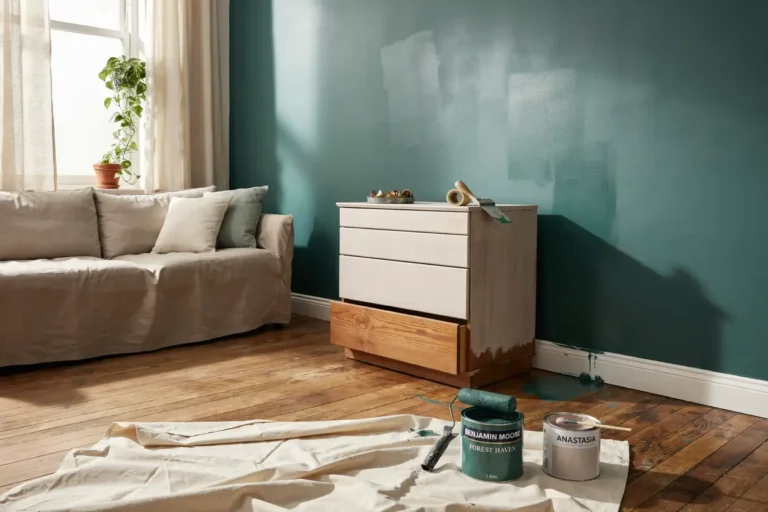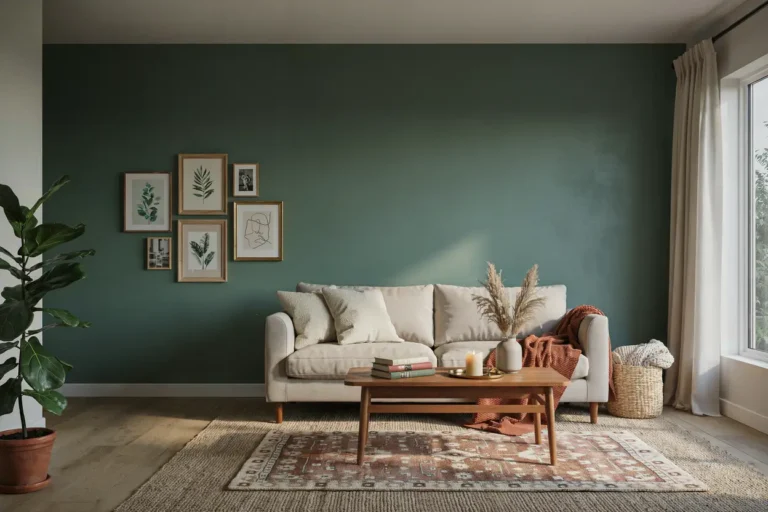
Your Home Could Use These 21 Trending Interior Design Ideas

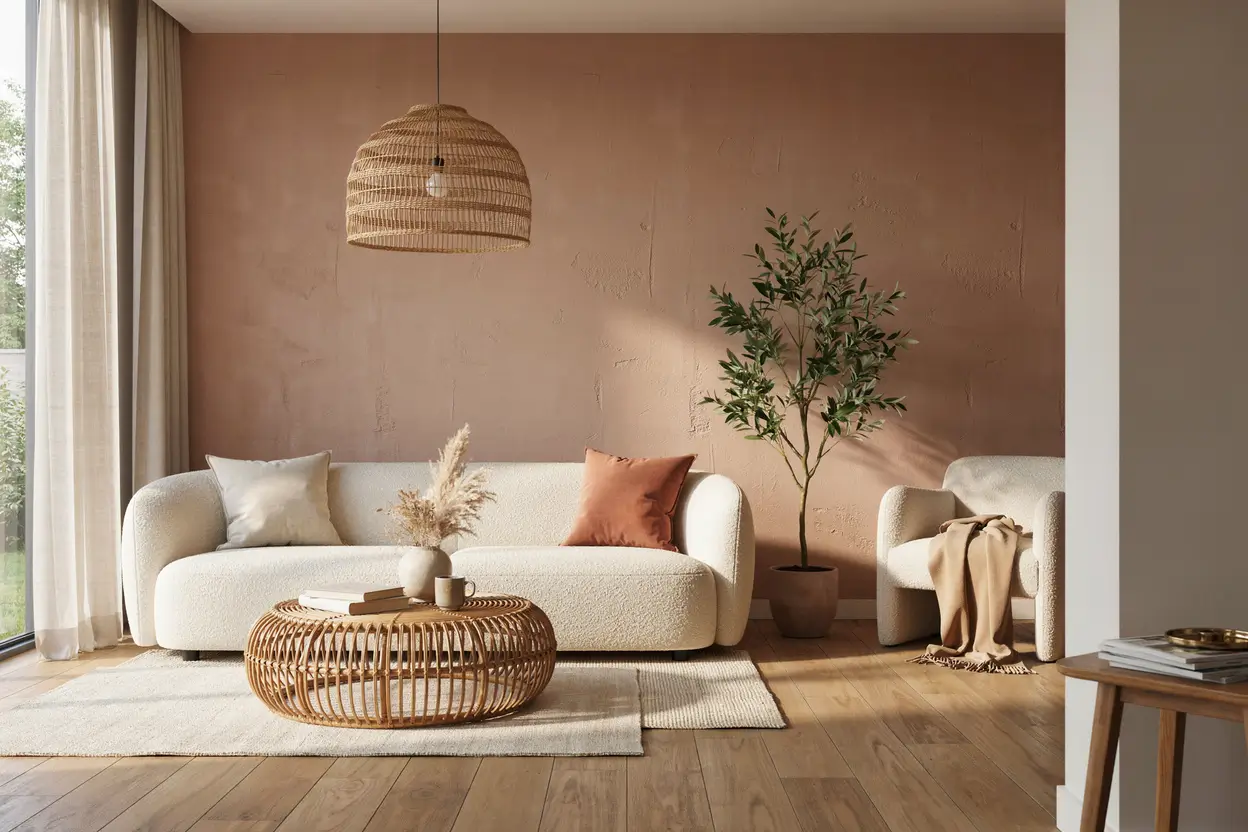
Every year my inbox fills up with the same question from readers. They want to know what is actually worth changing in their home and what is just a passing trend that will look dated in six months. So I spent the last few months walking through show homes, scrolling design accounts until my thumb hurt, and talking to a few designer friends over coffee. What I found is a mix of ideas that feel fresh but still practical for real families living real lives. None of these require a full renovation or a big budget. Most can be done over a weekend, and a few can be done before dinner tonight. If you have been staring at your living room feeling like something is missing, one of these 21 ideas is probably it. Grab a notepad and let’s go through them one by one.
1. Curved Furniture Pieces
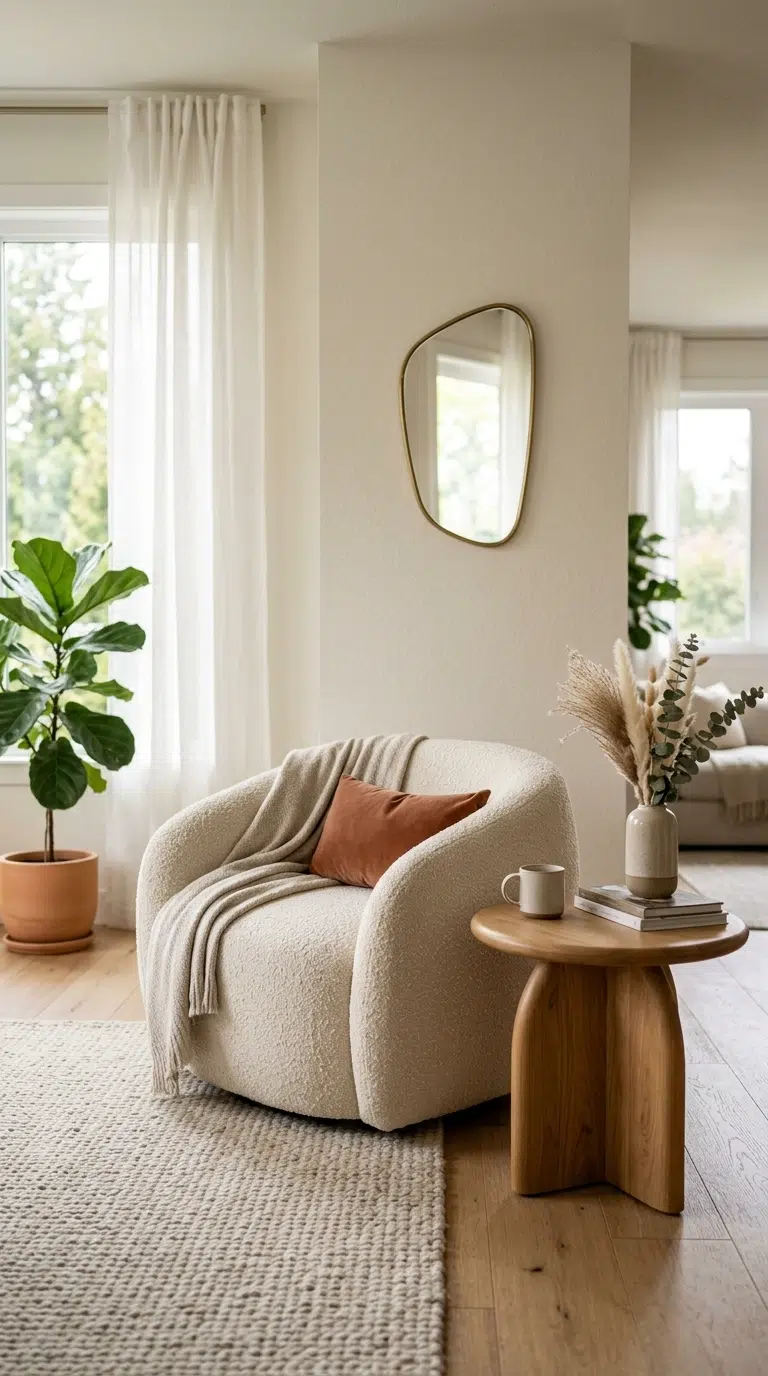
Straight lines have ruled living rooms for years, but curved furniture is softening things up in a good way. A rounded sofa, an oval coffee table, or a curved accent chair adds movement to a room that might otherwise feel boxy and stiff. Curves also make walking paths feel more natural since there are no sharp corners to dodge when you are carrying a laundry basket or chasing a toddler around the house.
The easiest place to start is with one curved piece rather than replacing everything at once. A rounded armchair in the corner of your living room or a curved console table in the hallway can shift the whole feel of the space. Stick to soft fabrics like velvet or boucle to match the gentle shape, and pair the piece with straight edged furniture nearby so the room does not feel like it is all one note. Even a curved mirror on the wall can pull the look together without touching your existing furniture.
2. Warm Terracotta Walls
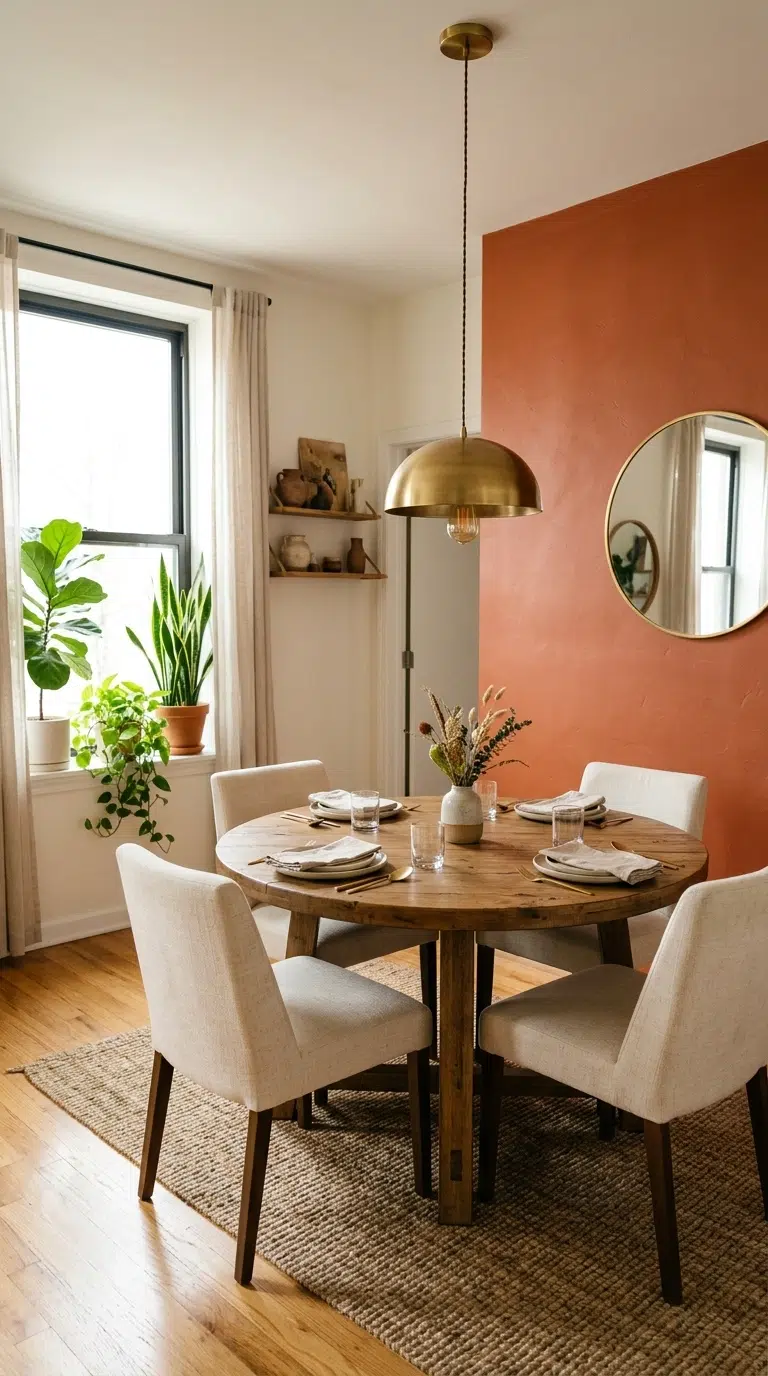
Cool grays are stepping aside for warmer wall colors, and terracotta is leading that shift. This clay inspired shade brings an earthy, sun warmed feeling into a room, especially in dining rooms and entryways where you want guests to feel welcomed right away. It pairs beautifully with wood tones, cream trim, and brass hardware.
If painting a full room feels like a big commitment, try it on one accent wall first, maybe behind a dining table or in a reading nook. Use a matte finish for a soft, chalky look or a slight sheen if you want the color to catch more light throughout the day. Balance the warmth with plenty of white or cream furniture and a few green plants so the room does not feel too heavy. Terracotta pots on a windowsill can even tie the wall color back into the rest of your decor without any extra painting.
3. Layered Area Rugs
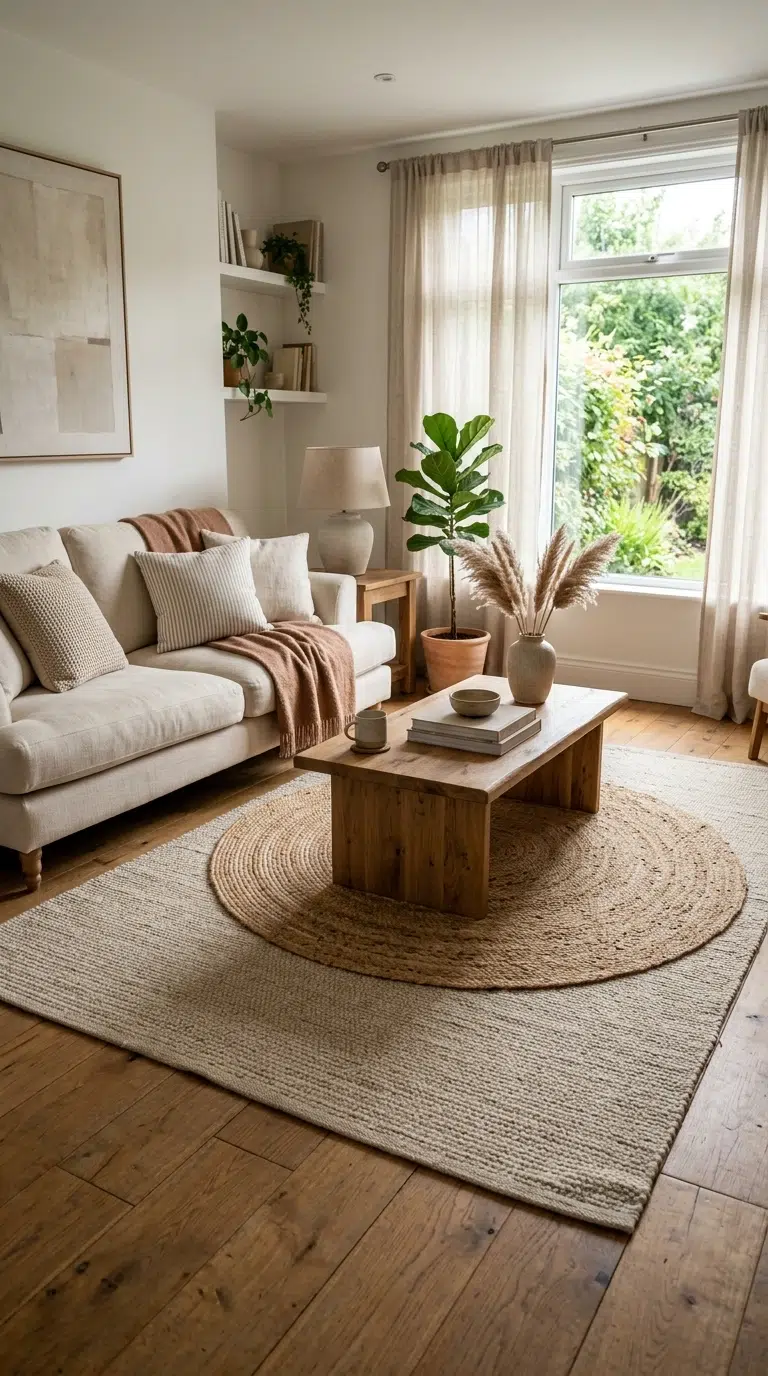
Layering rugs is a trick designers have used for years, and it is finally showing up in everyday homes. Placing a smaller textured rug, like a jute or wool piece, on top of a larger flat woven rug adds depth to a room and makes the seating area feel intentional rather than just furniture placed on bare floor. It works especially well in living rooms and bedrooms with hardwood or tile floors.
To try this yourself, start with a large neutral base rug that covers most of the seating area, then add a smaller patterned or textured rug centered under the coffee table. Keep the colors in the same family so the layers feel connected instead of clashing. A round rug on top of a rectangular one also creates a nice contrast in shape. This is one of those ideas you can set up in twenty minutes with rugs you may already own in another room.
4. Statement Ceiling Lights
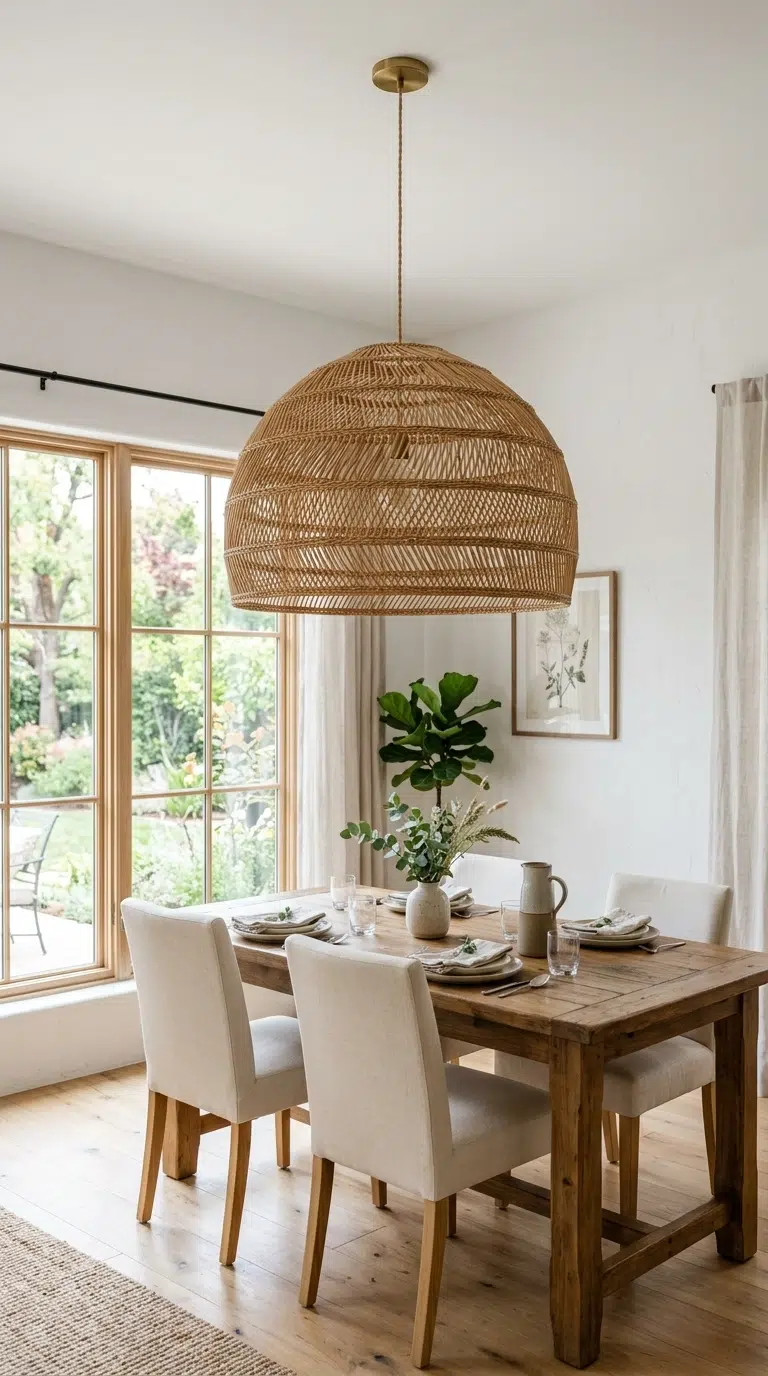
People are finally looking up. A bold pendant light or an oversized chandelier is becoming the centerpiece of dining rooms, entryways, and even bedrooms instead of just a source of light. These fixtures act almost like jewelry for the room, drawing the eye upward and making the ceiling feel like part of the design instead of an afterthought.
Choose a fixture that fits the scale of your room, since a tiny pendant can look lost in a large dining space while a giant one can overwhelm a small breakfast nook. Woven rattan shades bring a warm, relaxed feel, while a sculptural glass or metal piece leans more modern. Hang the fixture so the bottom sits about thirty inches above your table for the best look and function. Even swapping just one hallway light for something with more personality can make the whole path through your home feel more considered.
5. Open Kitchen Shelving
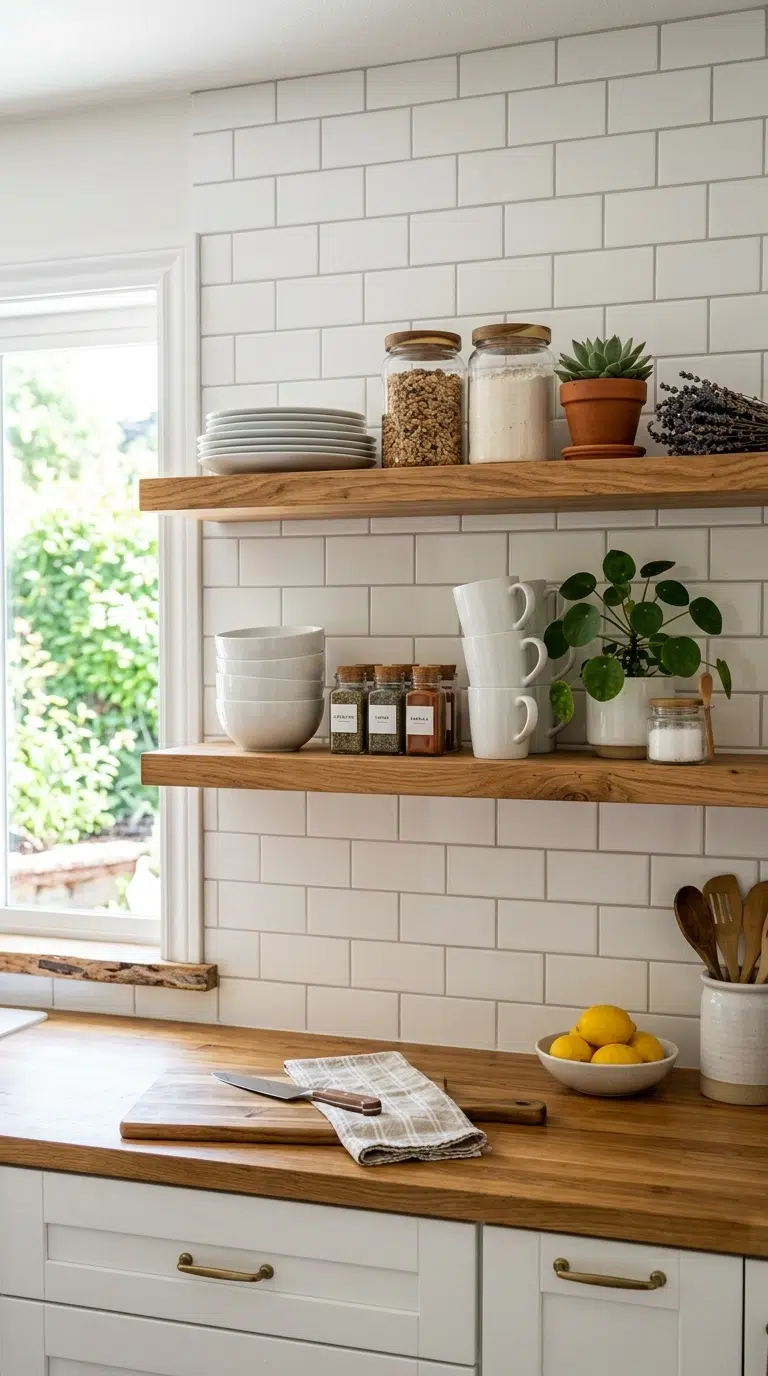
Closed cabinets are giving way to open shelving in kitchens, especially above counters or near a coffee station. Open shelves let you show off pretty dishware, glass jars, and cookbooks while making a small kitchen feel less closed in. It also encourages a bit of everyday tidiness since everything on the shelf is visible.
Start with one section of your kitchen rather than removing every upper cabinet. A stretch of wall near your stove or sink works well for two or three floating wood shelves. Style them with a mix of stacked plates, a few plants, and some open baskets for things like napkins or tea bags, leaving some breathing room so it does not look cluttered. Group items by color or material for a calmer, more finished look, and swap out the styling every season to keep the space feeling fresh.
6. Boucle Accent Chairs
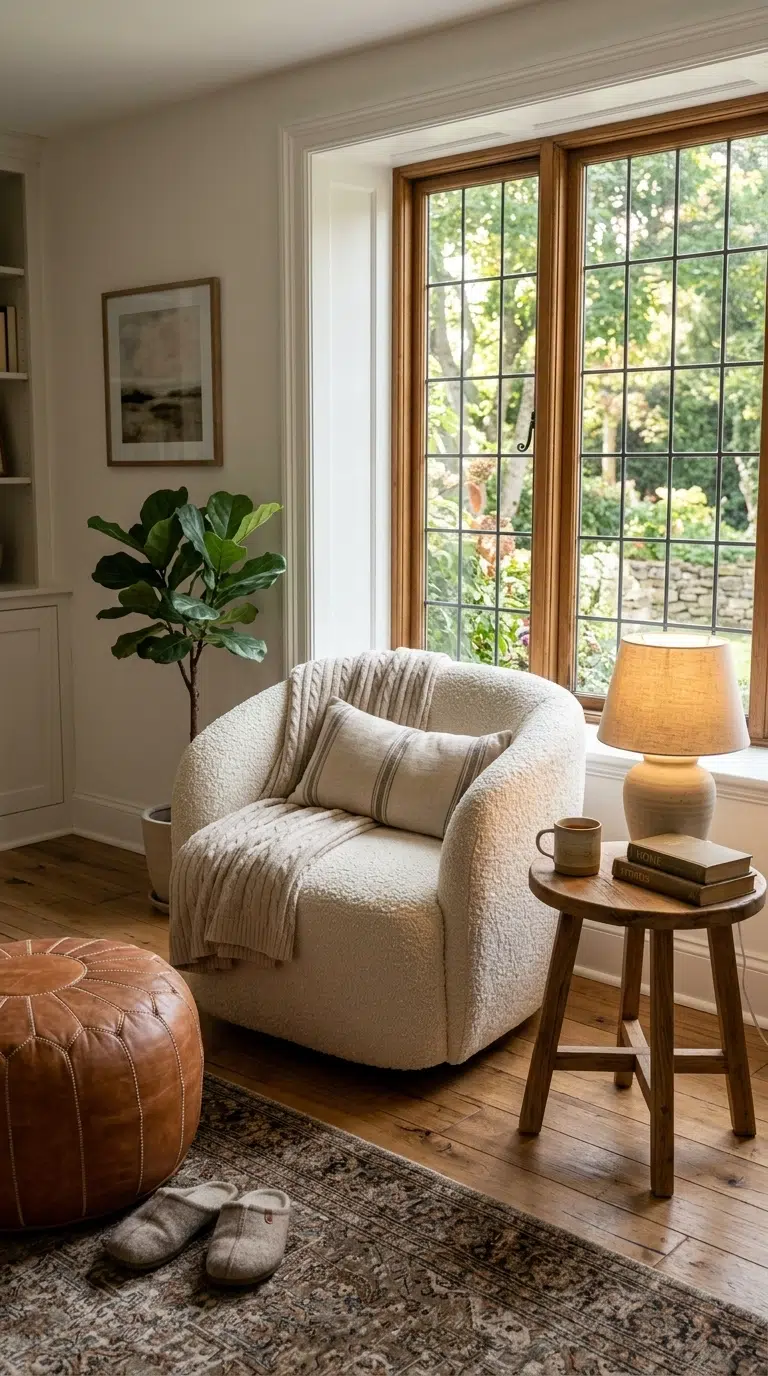
That nubby, textured fabric called boucle has moved from runway to living room, and it is not going anywhere soon. A boucle accent chair adds softness and warmth to a room without adding another loud pattern. The texture alone does the visual work, which makes it an easy piece to build a whole seating area around.
Place a boucle chair near a window where natural light can show off the texture, or use two of them to flank a fireplace for a cozy, symmetrical look. Cream, oatmeal, and soft gray are the most popular colors since they work with almost any existing decor. Pair the chair with a smooth leather ottoman or a wood side table so the textures contrast nicely instead of blending together. A single boucle throw pillow is also a low cost way to test the trend before committing to a full chair.
7. Rattan Headboards
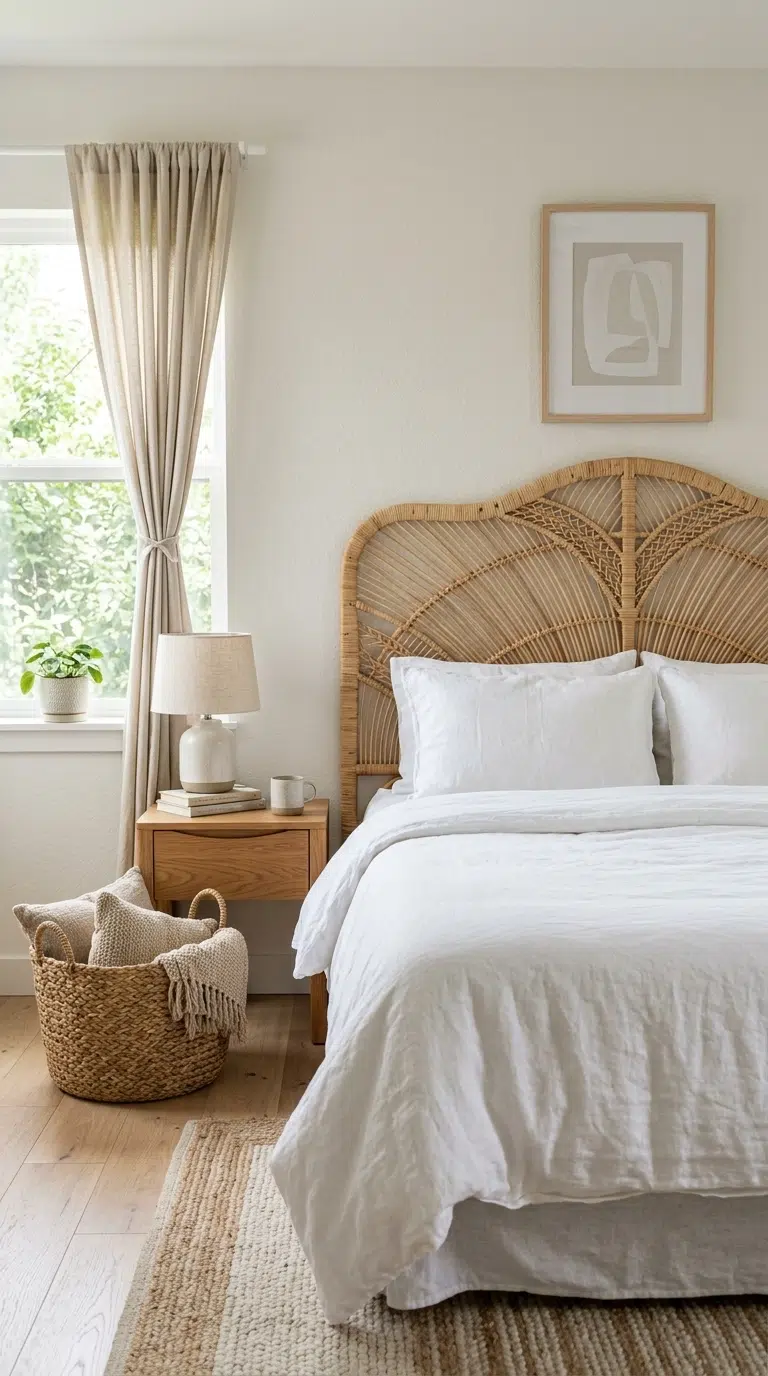
Wood headboards are sharing space with rattan and woven cane designs, bringing a relaxed, almost coastal feeling into bedrooms. A rattan headboard adds texture to a wall that might otherwise be plain, and it works surprisingly well in both modern and traditional bedrooms depending on what you pair it with.
Look for a headboard with an open weave pattern so it catches shadows nicely when lit by a bedside lamp. Pair it with linen bedding in soft neutral tones and a couple of woven baskets on the floor nearby to tie the material together. If your walls are already busy with color or wallpaper, choose a lighter rattan tone to keep the headboard from competing for attention. This is a great weekend project since most rattan headboards are lightweight and simple to mount yourself.
8. Gallery Wall Mirrors
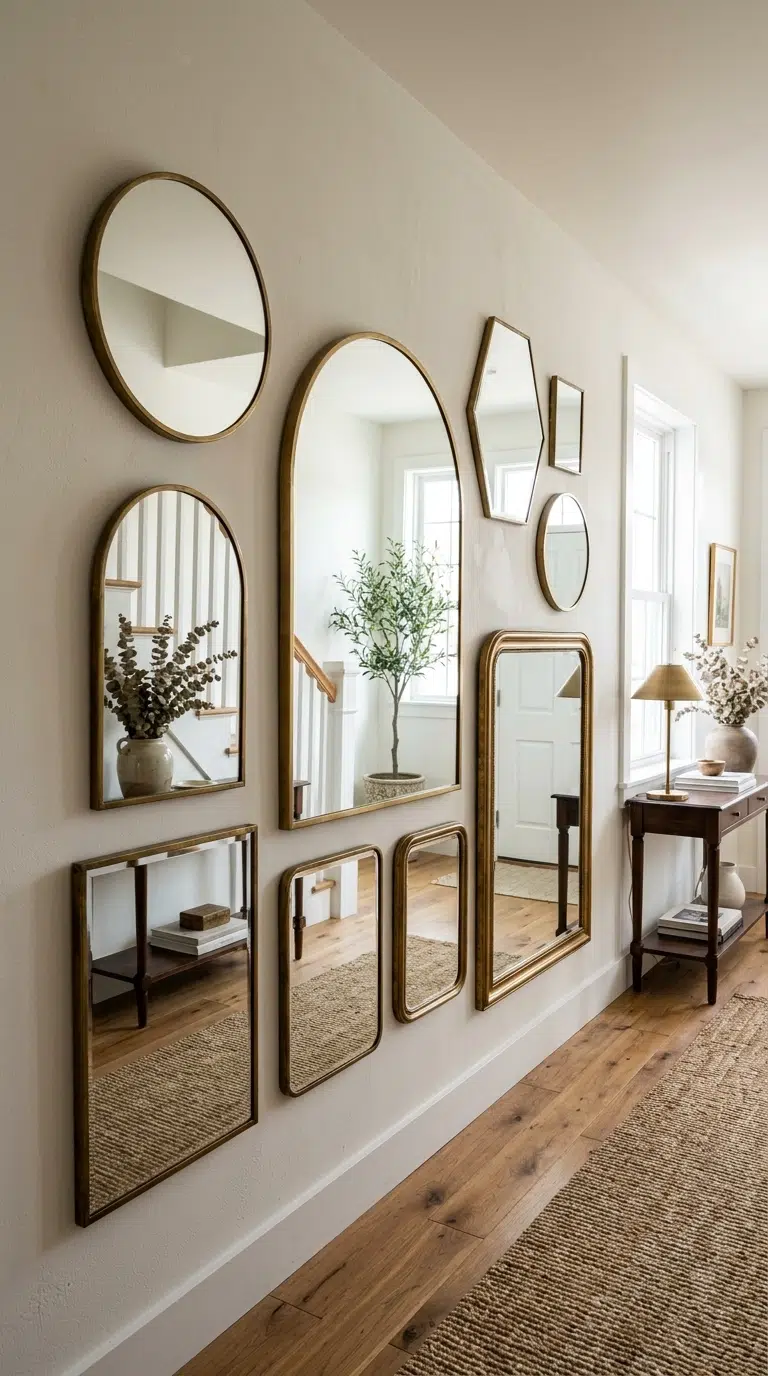
Gallery walls used to mean only framed photos and art, but mirrors are joining the mix now. A cluster of mirrors in different shapes and sizes on one wall bounces light around a room while still giving that curated, collected over time look that gallery walls are known for.
Mix round, arched, and rectangular mirrors in a range of sizes for the most interesting effect, and keep the frame finishes similar, like all brass or all black, so the wall feels put together. Hallways and stairwells are ideal spots since mirrors here also help with quick outfit checks on your way out the door. Start by laying the mirrors out on the floor first to plan your arrangement before hammering any nails, and leave two to three inches of space between each piece for the cleanest look.
9. Indoor Olive Trees
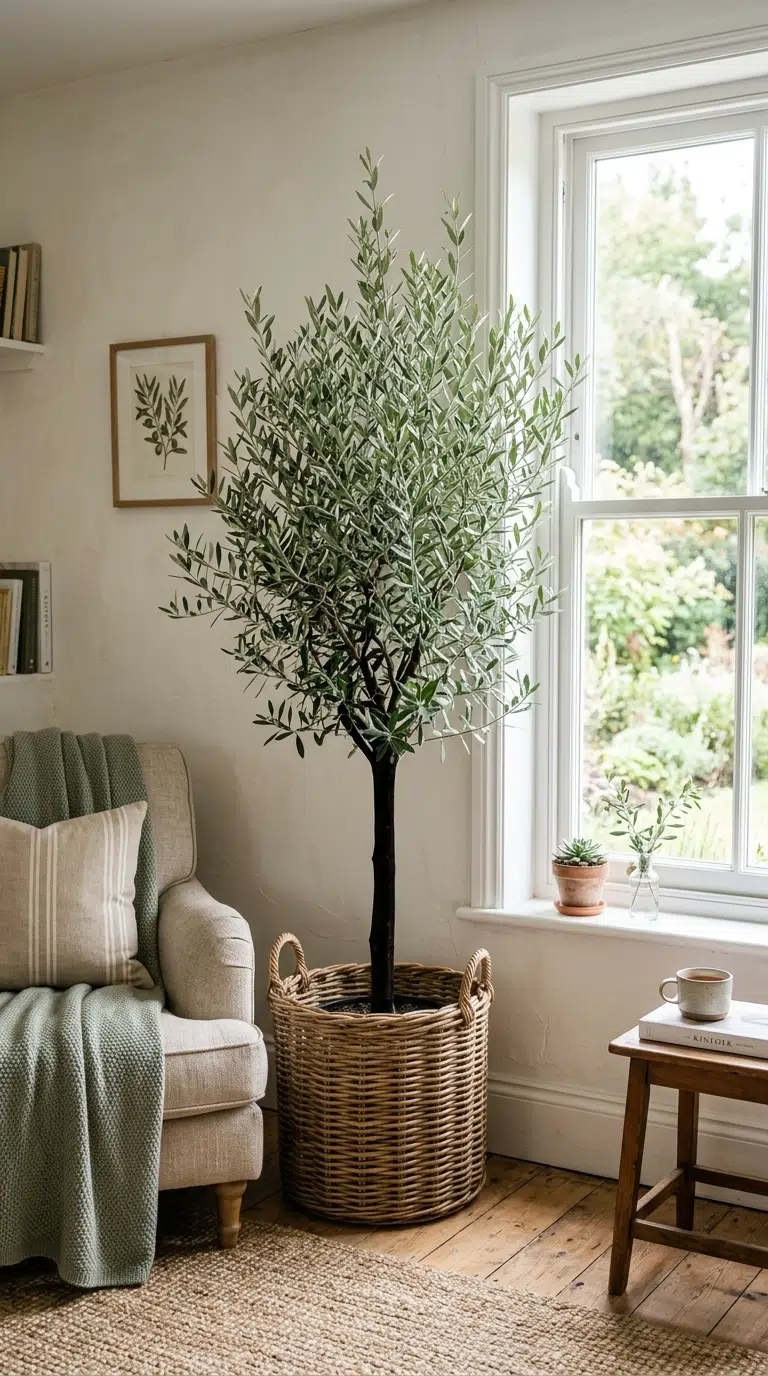
Fiddle leaf figs had their moment, and now olive trees are taking over as the houseplant of choice. Their silvery green leaves and twisting trunks bring a Mediterranean, sun soaked feeling into a living room or bedroom corner, and they tend to be a bit more forgiving than fussier houseplants.
Place an olive tree near a bright window since they need plenty of light to thrive, and choose a simple woven or terracotta pot that lets the plant be the star. A single tree in an empty corner can fill a space that has always felt a little bare, and its open, airy branches will not block light from the rest of the room. Water it only when the top few inches of soil feel dry, since overwatering is the most common way these trees struggle indoors.
10. Checkerboard Flooring
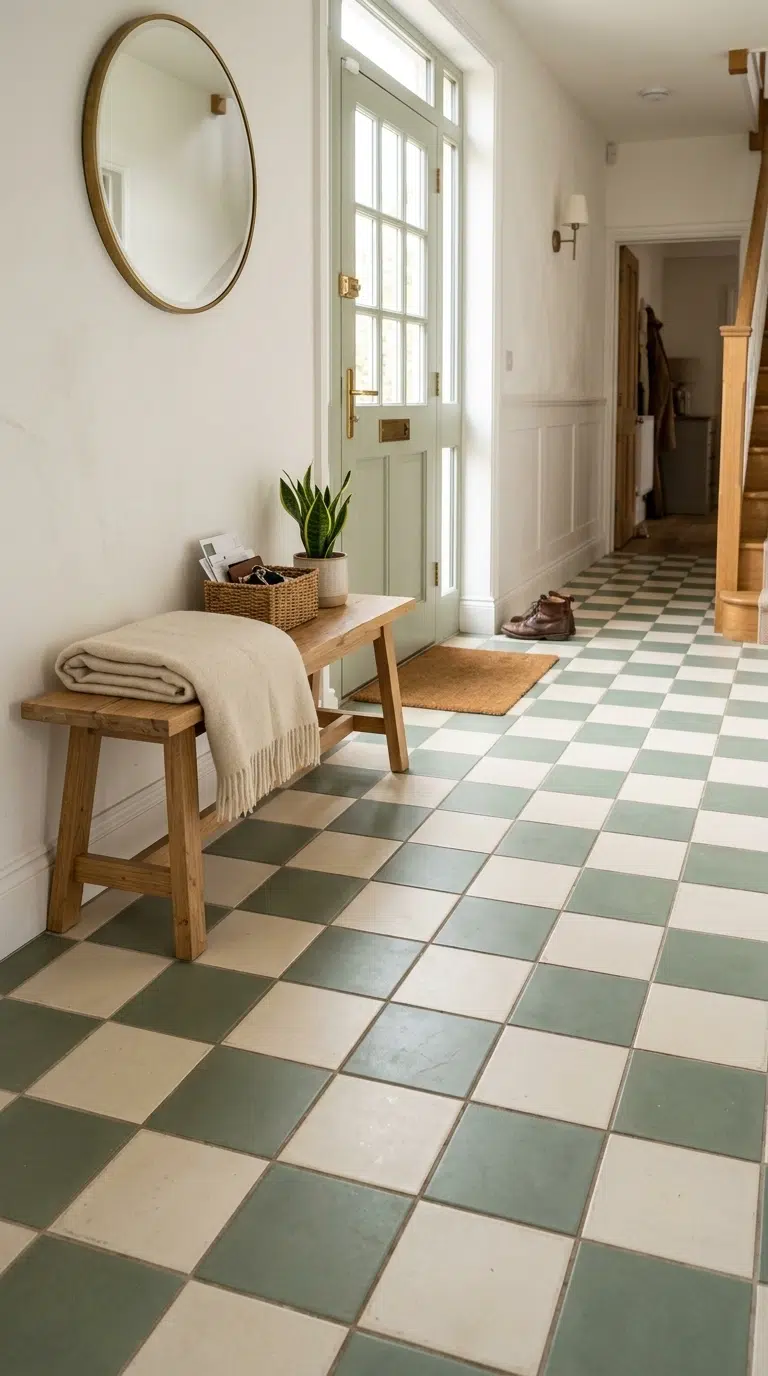
Checkerboard patterns are showing up again, this time in softer, more livable colors instead of the stark black and white of decades past. A checkerboard floor in a kitchen, entryway, or bathroom adds instant personality and gives the room a sense of history even in a brand new build.
If replacing your flooring feels like too much, checkerboard peel and stick tiles or a painted floor cloth can give you the same look temporarily. For a more permanent option, choose two tones that are close in color, like cream and sage or white and terracotta, for a softer effect than traditional black and white. Keep the rest of the room simple with plain walls and minimal patterned textiles so the floor stays the clear focal point.
11. Arched Doorways
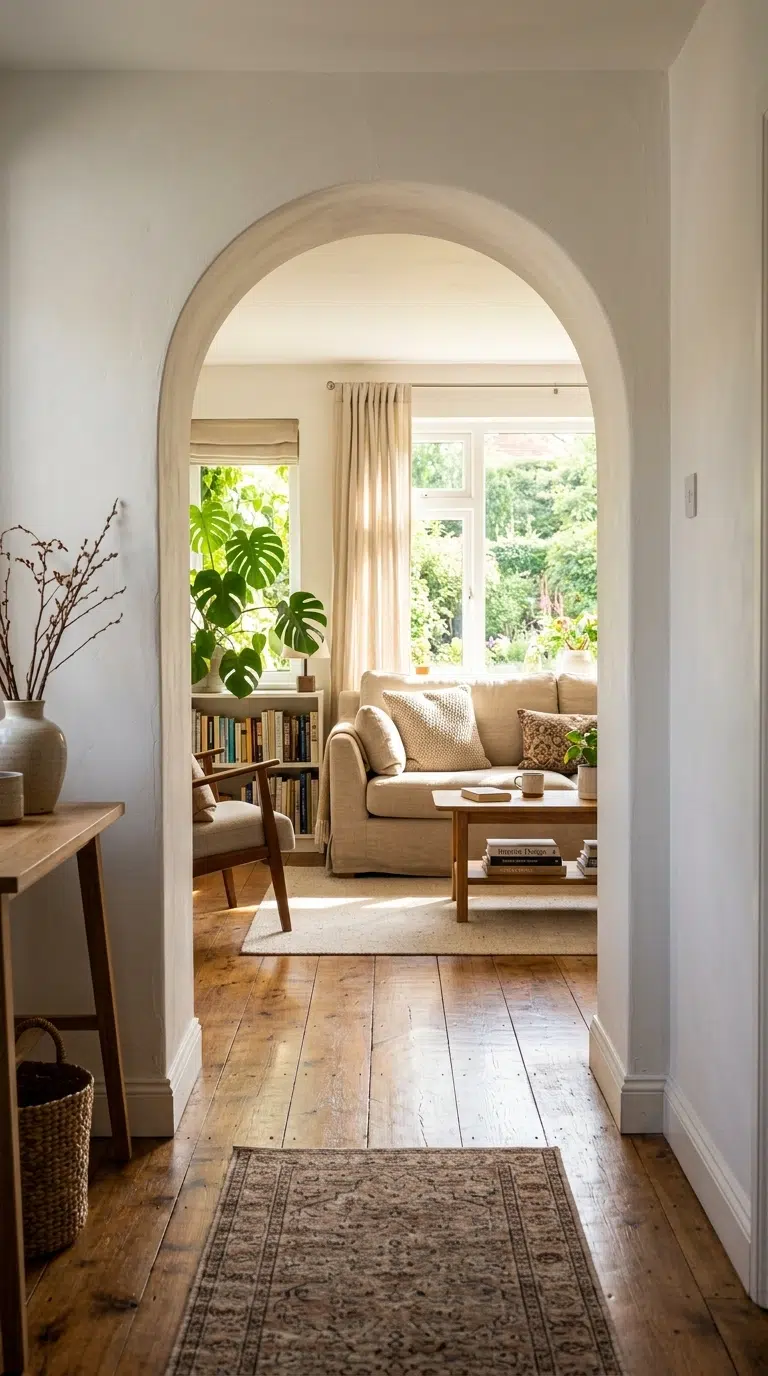
Sharp rectangular doorways are being softened into arches, especially in hallways, closets, and the openings between kitchens and living rooms. An arched doorway adds an old world, almost European feeling to a home, and it draws the eye upward in a way that makes ceilings feel taller than they actually are.
If you are not ready for construction, an arched mirror, an arch shaped shelf, or even an arched rug placed near a doorway can hint at the look without any demolition. For those doing a renovation, a plaster arch with a smooth painted finish works in nearly any style of home. Keep the trim simple and let the shape of the arch do the talking, pairing it with warm wood floors and soft lighting nearby for the coziest effect.
12. Two-Tone Kitchen Cabinets
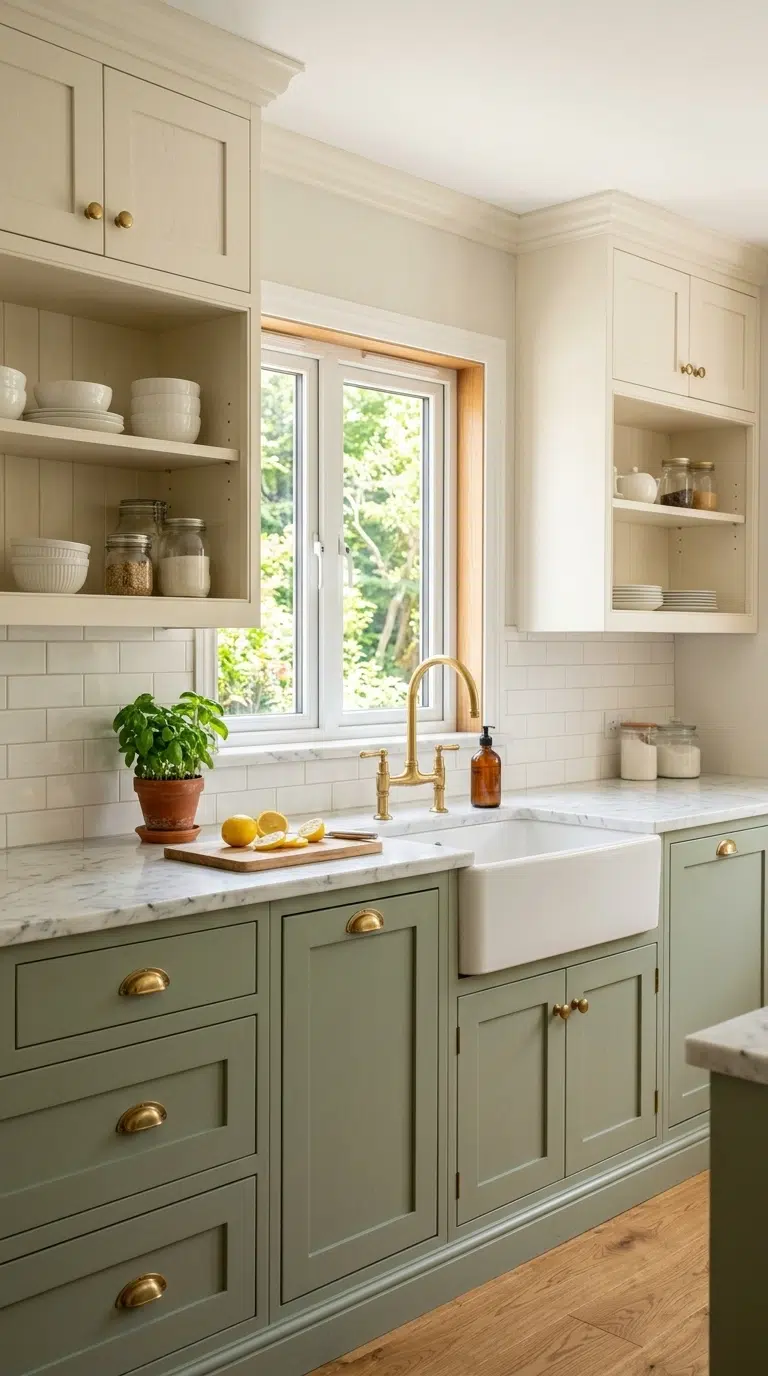
All white kitchens are giving way to two-tone cabinet designs, where the upper cabinets are one color and the lower cabinets are another. This split adds contrast and depth to a kitchen without requiring a full color overhaul, and it is one of the easiest ways to make a kitchen feel custom rather than builder grade.
A popular combination is white or cream upper cabinets paired with a deeper color like sage green, navy, or charcoal on the bottom. This keeps the room feeling light near the ceiling while grounding it visually near the floor. If a full repaint feels like too much, start with just the island in a contrasting color while leaving the rest of the cabinets as they are. Swap the hardware to brass or matte black to finish the updated look.
13. Textured Plaster Walls
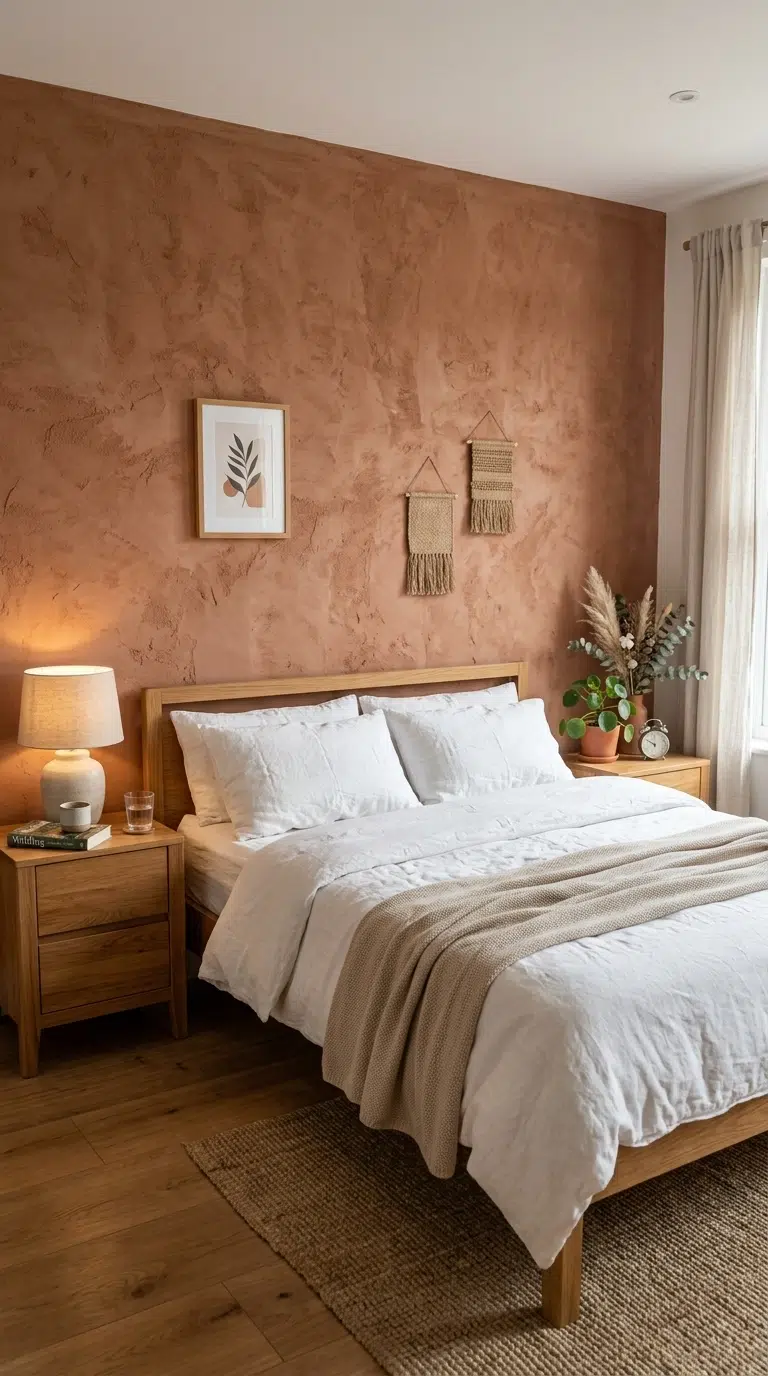
Flat painted walls are getting some competition from textured plaster finishes, which add a handmade, almost sculptural quality to a room. This limewash or Venetian plaster look catches light differently throughout the day, giving a wall a soft, cloudy texture instead of one flat color.
You do not need to plaster your whole house to try this trend. A single accent wall behind a bed or sofa is enough to add texture without overwhelming the space. Many paint brands now sell limewash style paints that mimic real plaster texture with a simple roller application, making this more approachable than true plastering. Stick to soft, warm neutrals like clay, cream, or soft sage so the texture stays the focus rather than a bold color competing for attention.
14. Vintage Brass Fixtures
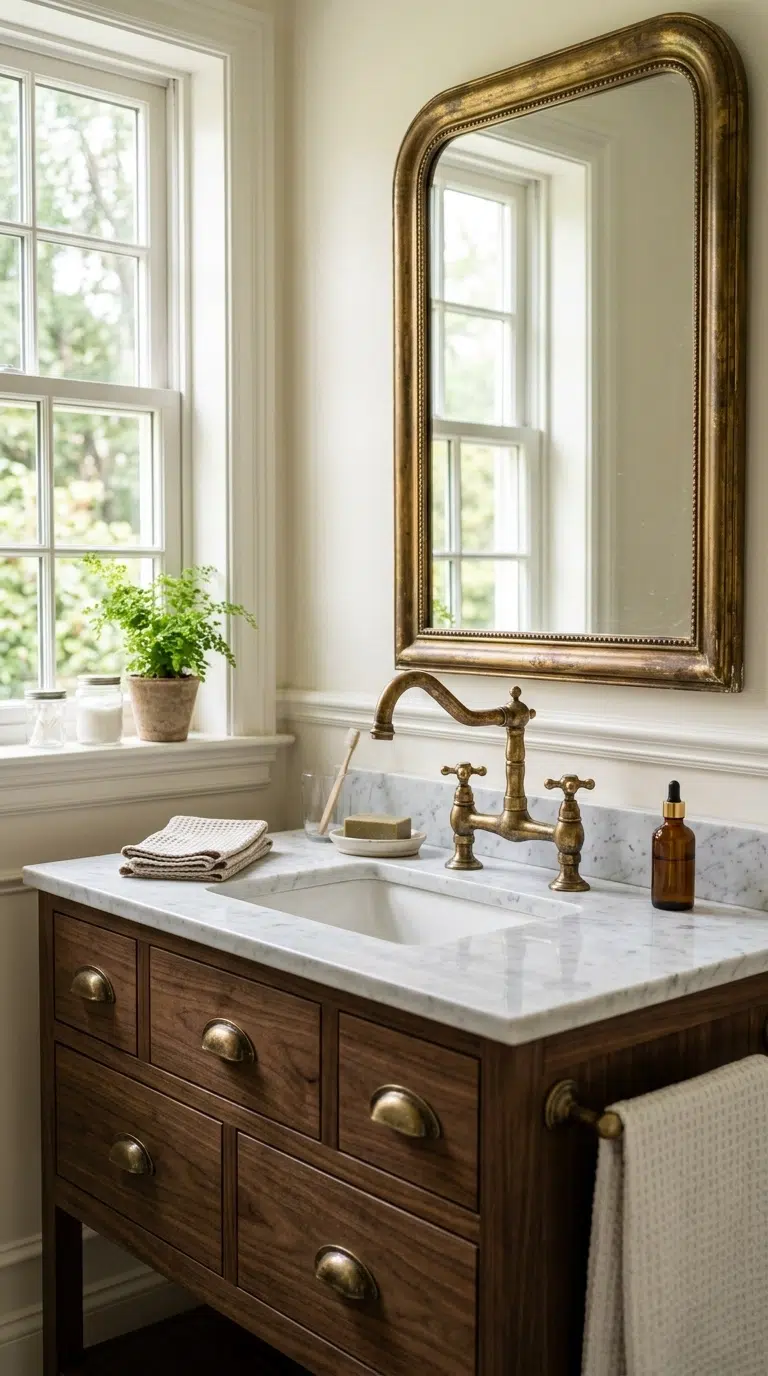
Brushed nickel and chrome are stepping back while warm, slightly aged brass fixtures step forward. Vintage style brass faucets, cabinet pulls, and light fixtures add a lived-in, collected feeling to kitchens and bathrooms, even in a brand new home.
Start small by swapping cabinet hardware, which is one of the cheapest and fastest updates you can make in a single afternoon. Look for an unlacquered or aged brass finish rather than a shiny polished one for that vintage look, since it will also develop a natural patina over time. Pair brass fixtures with warm wood tones and cream or white walls so the metal has room to stand out. A brass mirror frame or towel bar in the bathroom can complete the look without a full renovation.
15. Cozy Reading Nooks
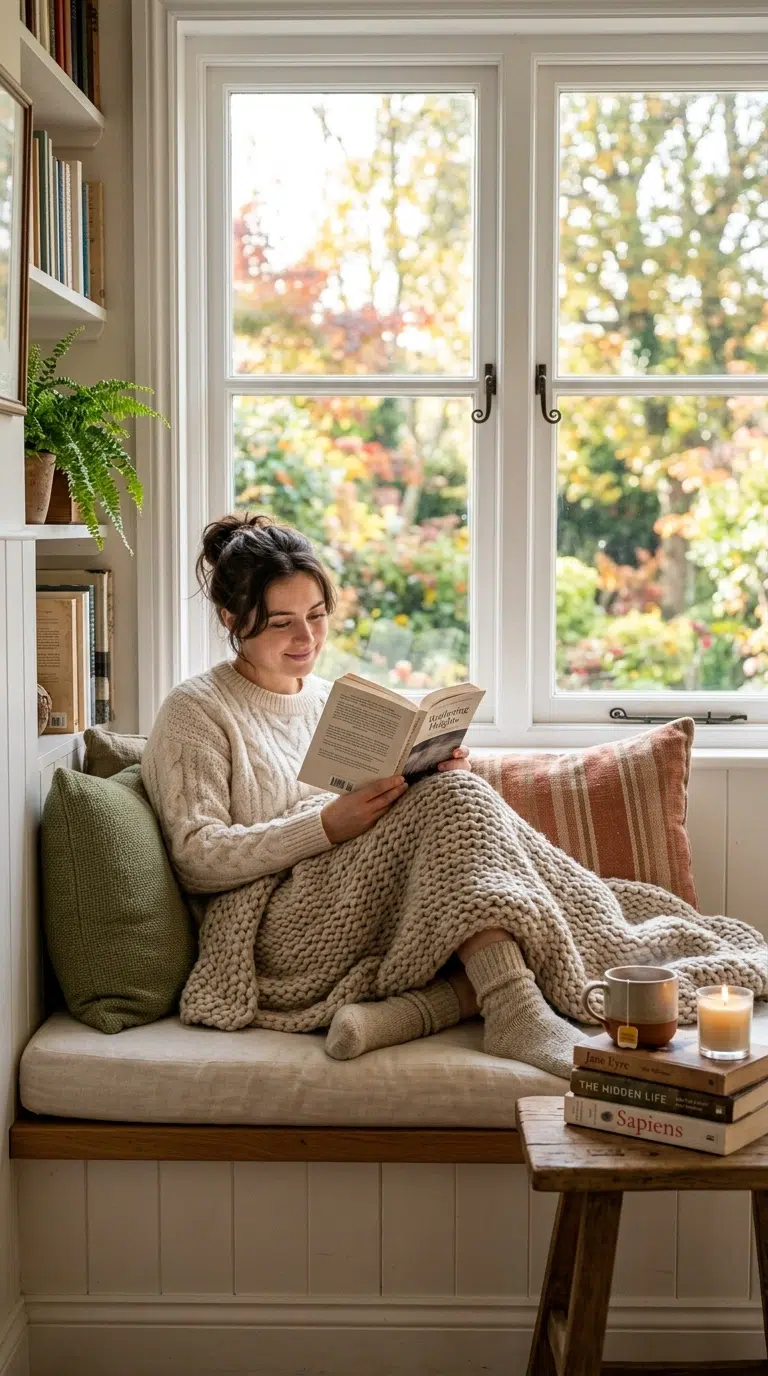
A dedicated reading nook is becoming a must-have corner in homes, whether it is a window seat, a chair by a bookshelf, or a small alcove under the stairs. This idea photographs beautifully and gives a home a sense of quiet purpose beyond just functional rooms.
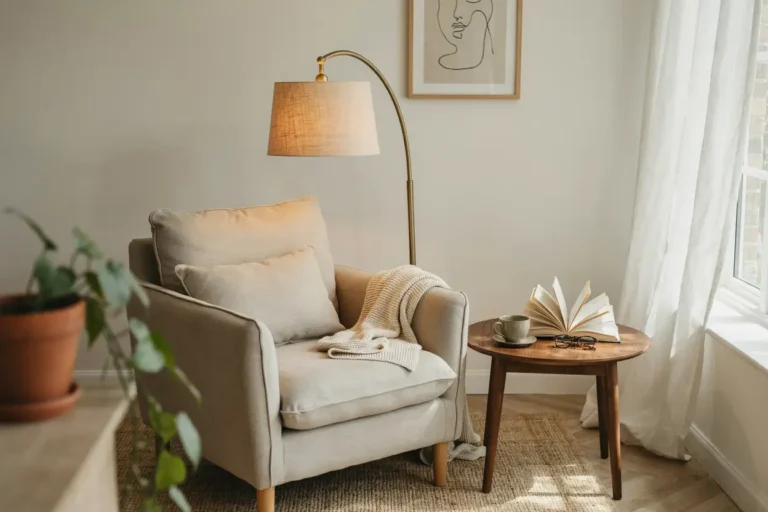
To build one, all you really need is a comfortable chair, good lighting, and something soft underfoot. Place the chair near a window for natural light during the day and add a floor lamp for evening reading. A small side table for your coffee or tea and a basket for current reads nearby keeps everything within arm’s reach. Layer in a chunky knit throw and two or three pillows in different textures so the nook feels inviting rather than sparse.
16. Sculptural Coffee Tables
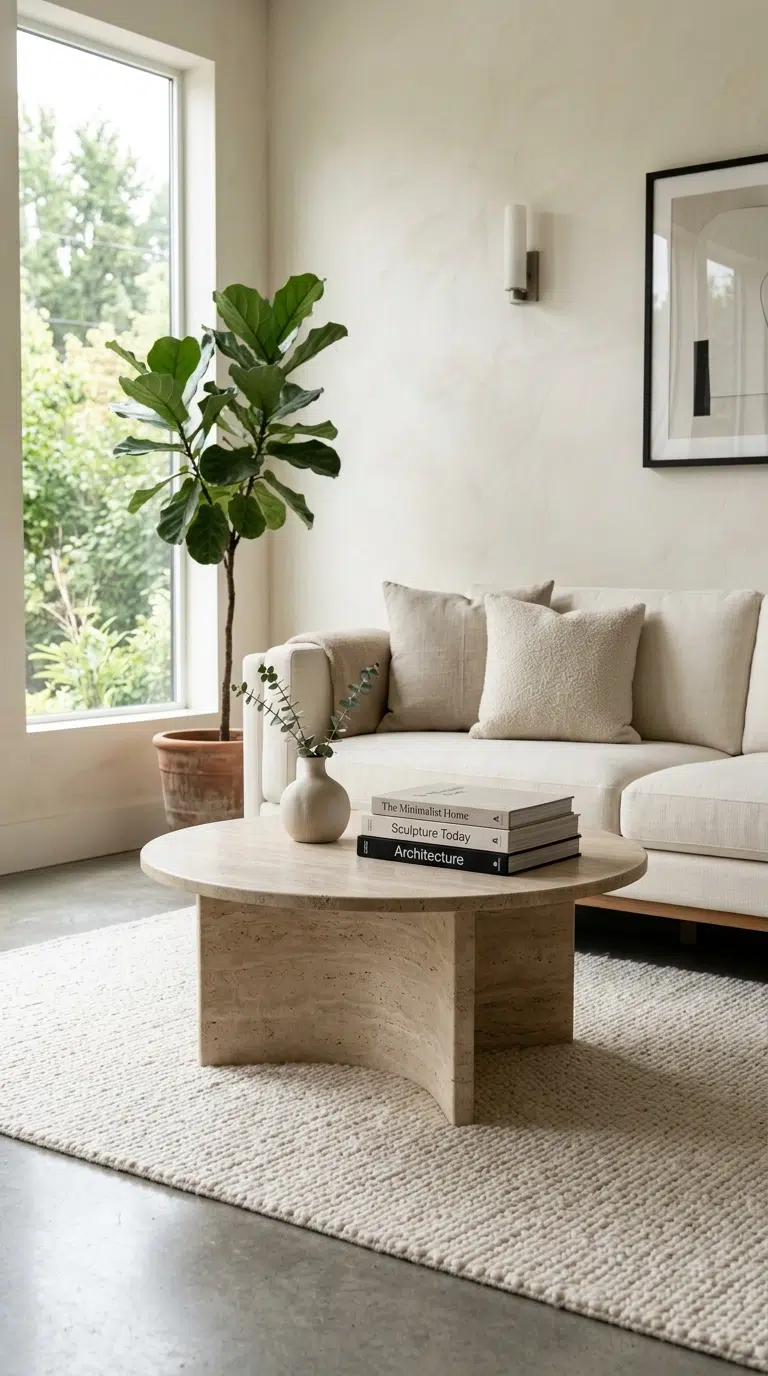
Plain rectangular coffee tables are being replaced with sculptural shapes, like organic curves, stone pedestal bases, or asymmetrical wood forms. A sculptural coffee table becomes a piece of art in the room rather than just a surface to hold drinks and remote controls.
Choose a shape that contrasts with your sofa to create visual interest, so a curved table works well with a straight edged sofa and vice versa. Stone and travertine finishes are especially popular right now and add a cool, tactile texture next to softer fabrics. Keep the styling on top minimal, maybe just a stack of books and a small vase, so the shape of the table itself stays the star of the room rather than getting buried under clutter.
17. Woven Wall Baskets
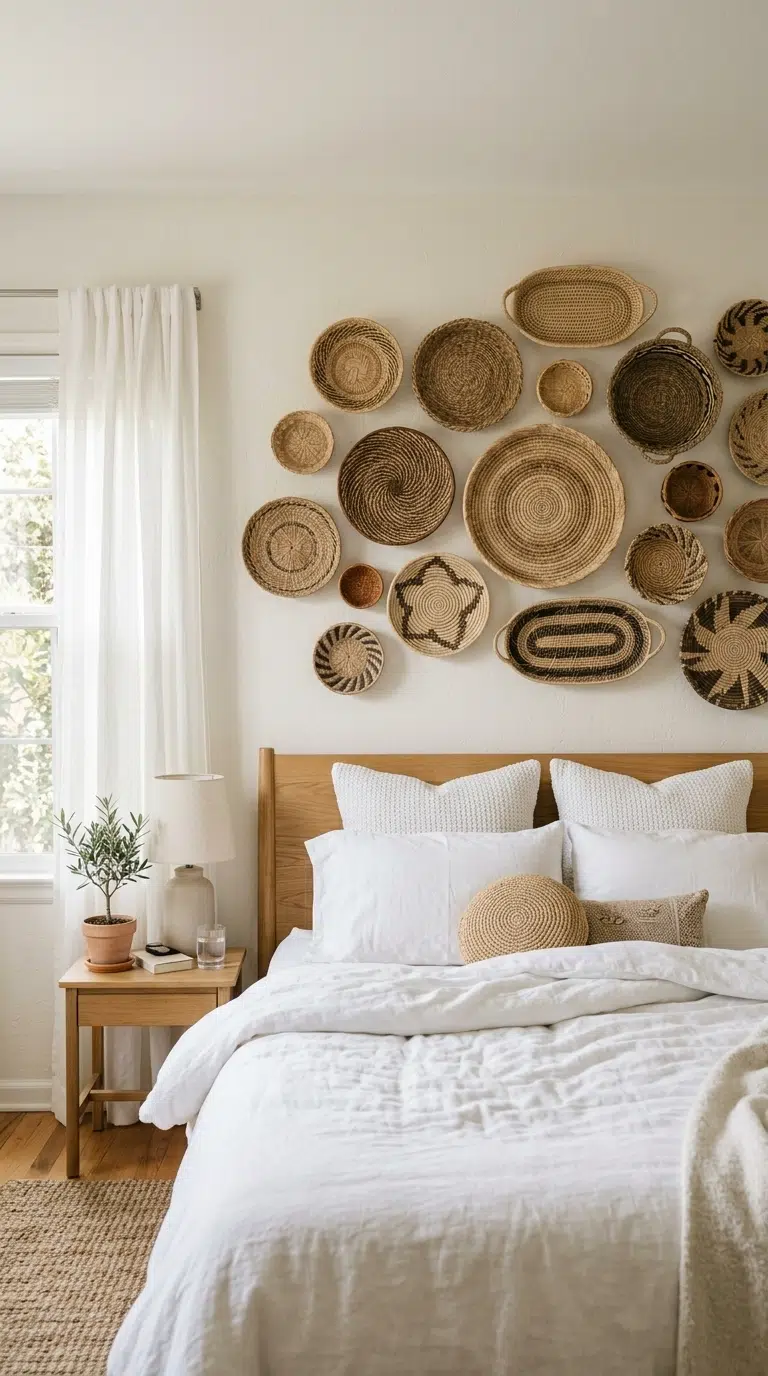
Wall baskets are moving beyond farmhouse kitchens and into living rooms and bedrooms as a textural, three-dimensional wall decor option. A cluster of woven baskets in varying sizes adds warmth and pattern to a blank wall without needing any framed art.
Arrange baskets in an organic, slightly asymmetrical cluster rather than a strict grid for the most natural look, mixing round and oval shapes for variety. They work especially well above a bed, sofa, or dining table where you want texture without heaviness. Since baskets are lightweight, they are simple to hang with small nails or removable hooks, making this a renter friendly idea. Choose baskets in similar tones of natural fiber so the wall feels cohesive even with different shapes mixed in.
18. Color Drenched Rooms
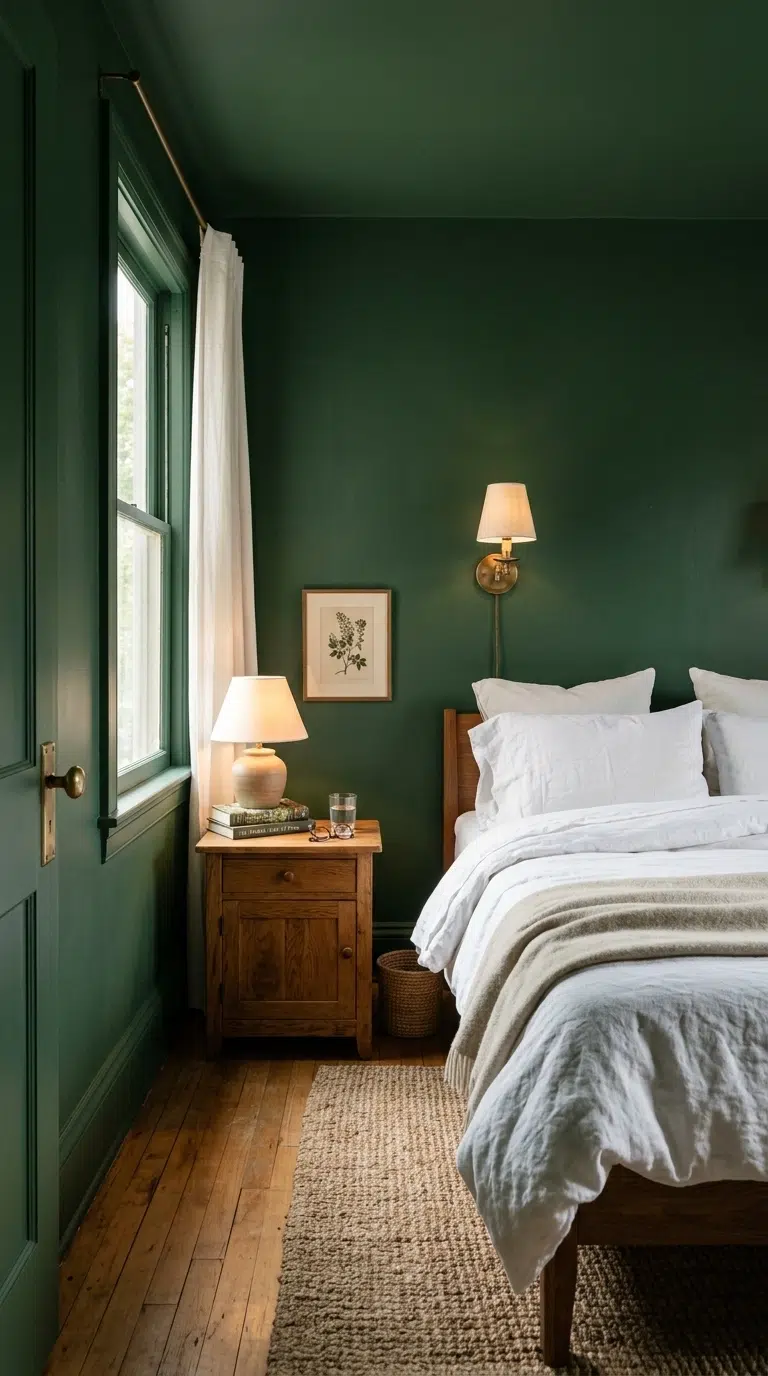
Color drenching means painting the walls, trim, and even the ceiling of a room in the same or a closely related color for an immersive, cocoon-like effect. This trend is popping up most in bedrooms, powder rooms, and home offices where a bold, enveloping feeling works in your favor.
To try this, pick a color you already love and use it on the walls, trim, and ceiling, adjusting the sheen slightly between surfaces so there is some subtle variation. Deep greens, warm terracottas, and soft dusty blues tend to work best for this fully saturated look. Keep the furniture in the room simple and let the color do the heavy lifting, adding just a few natural textures like wood or linen to soften the intensity of the color everywhere you look.
19. Scalloped Edge Decor
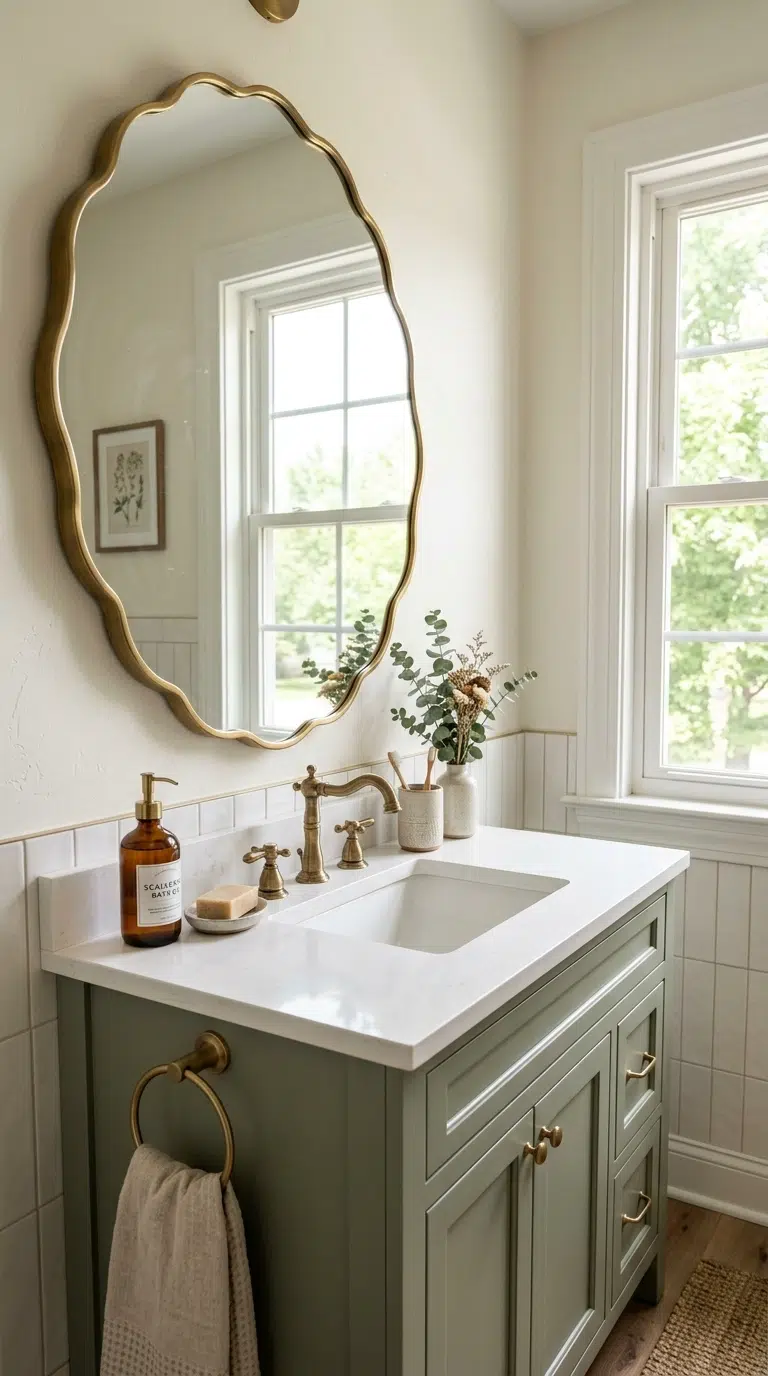
Scalloped, wavy edges are showing up on everything from shelves to mirrors to headboards, softening the hard lines that have dominated design for years. This playful detail adds a bit of whimsy to a room without making it feel childish, especially when paired with more neutral, grown up colors.
A scalloped mirror above a bathroom vanity or a scalloped shelf in a nursery or reading nook are easy entry points into this trend. Look for pieces in warm wood tones or soft painted finishes rather than bright colors so the scalloped shape reads as elegant rather than novelty. If you sew or craft, even a scalloped edge on a curtain hem or pillow cover can bring this detail into a room without buying new furniture at all.
20. Freestanding Bathtubs
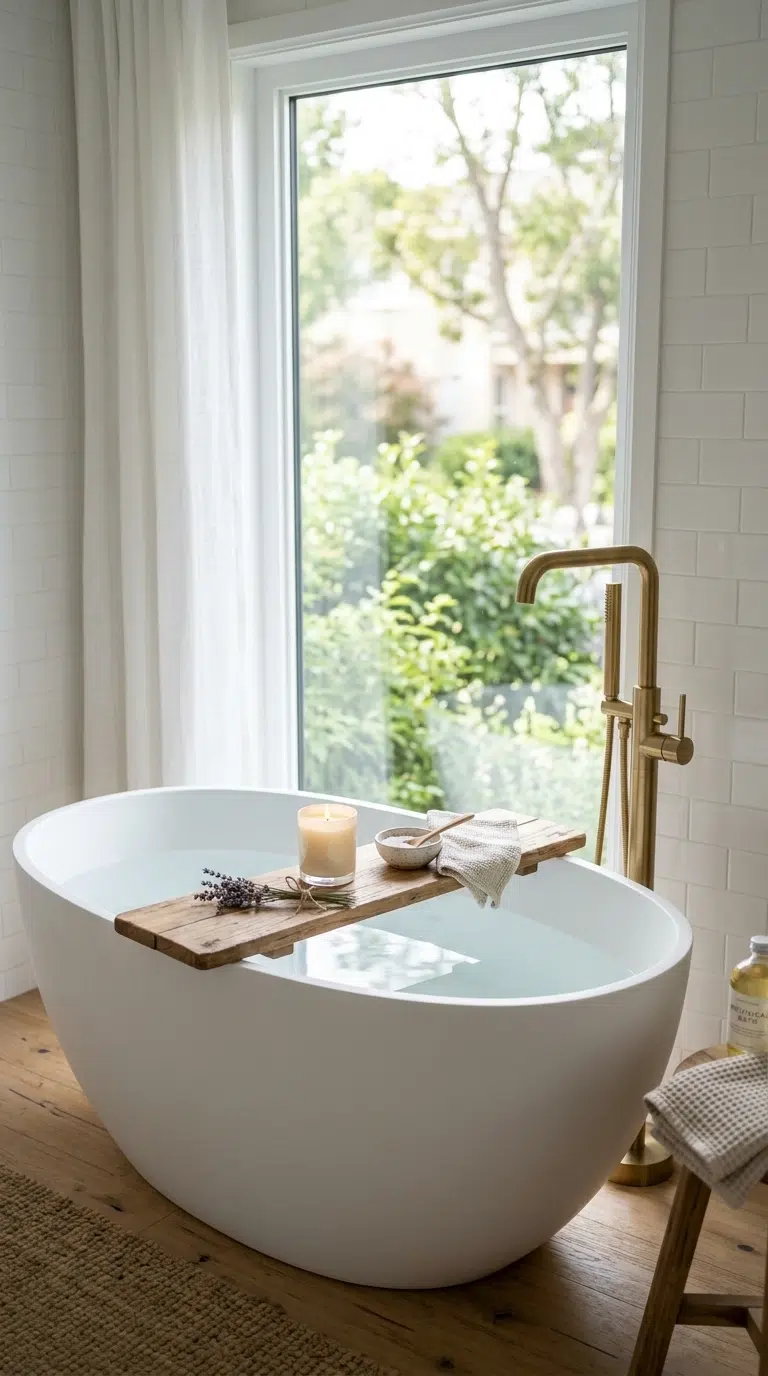
Built-in tubs are losing ground to freestanding tubs, which sit as a standalone piece in the center or against a wall of a bathroom rather than being boxed in by tile. A freestanding tub instantly makes a bathroom feel more like a spa and less like a purely functional space.
If a full bathroom renovation is not in the cards, even styling around an existing tub with a wood tray, a small plant, and a scented candle can borrow some of that spa-like feeling. For those planning a remodel, an oval or slipper style tub in matte white or a soft stone finish pairs beautifully with brass fixtures and warm wood flooring. Position the tub near a window if possible so natural light can highlight its shape throughout the day.
21. Multi-Functional Ottomans
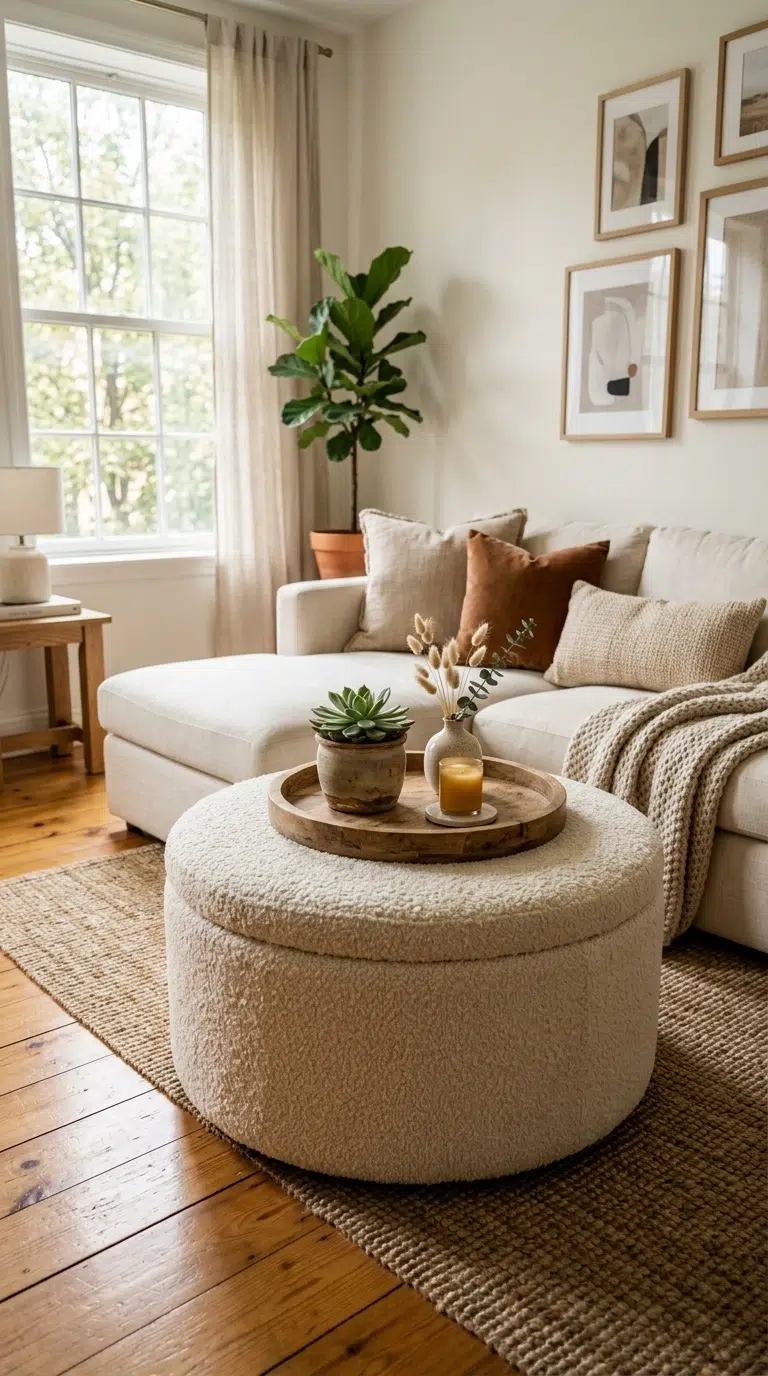
Ottomans are doing more work than ever, serving as extra seating, a footrest, a coffee table, and hidden storage all in one piece of furniture. This is a practical trend for smaller living rooms where every piece of furniture needs to earn its spot in the room.
Choose an ottoman with a sturdy, flat top so it can double as a surface for a tray of drinks or snacks, and look for one with a lift-off lid or removable top for hidden storage inside. A round ottoman in boucle or leather works well as a centerpiece, while a rectangular storage ottoman at the foot of a bed adds both function and softness. Add a wood tray on top when you need a hard surface, then remove it when you want extra casual seating for guests.
Trying even three or four of these ideas can shift how your home feels without a big renovation or a big budget. Pick the ones that match your lifestyle, start with the easiest one this weekend, and let the rest come together over time.
Frequently Asked Questions
What is the most budget friendly trend on this list?
Swapping cabinet hardware to brass, layering rugs you already own, and rearranging a gallery wall of mirrors are the cheapest updates since they use items you may already have or require only a small purchase.
Do these trends work in small homes?
Yes. Ideas like open shelving, sculptural coffee tables, and multi-functional ottomans are especially helpful in small spaces since they add style while keeping the room functional and uncluttered.
Will these design ideas still look good in a few years?
Most of these trends lean toward warm, natural materials and soft shapes rather than anything too flashy, which tends to age better than bold, trend-only choices.
Which idea gives the biggest visual impact for the least effort?
A statement ceiling light or a textured accent wall usually gives the most noticeable change in a room for a relatively small amount of time and money.