23 Elegant Living Room Ideas on a Budget

Expensive on a Budget
My sister once asked me how much I spent redoing my living room, and when I told her the real number, she did not believe me. Most of the pieces in that room came from thrift stores, clearance racks, and a few smart styling tricks that had nothing to do with price. A living room does not need designer furniture or a huge budget to look elegant, it needs the right combination of color, light, and a few well placed details. Below are twenty three ideas I have used myself or seen work in real homes, not showroom photos. Some involve rearranging what you already own. Others cost less than a nice dinner out. Try a handful of these this month and watch how much richer your living room starts to feel, without a single big purchase behind it.
1. Layered Area Rugs
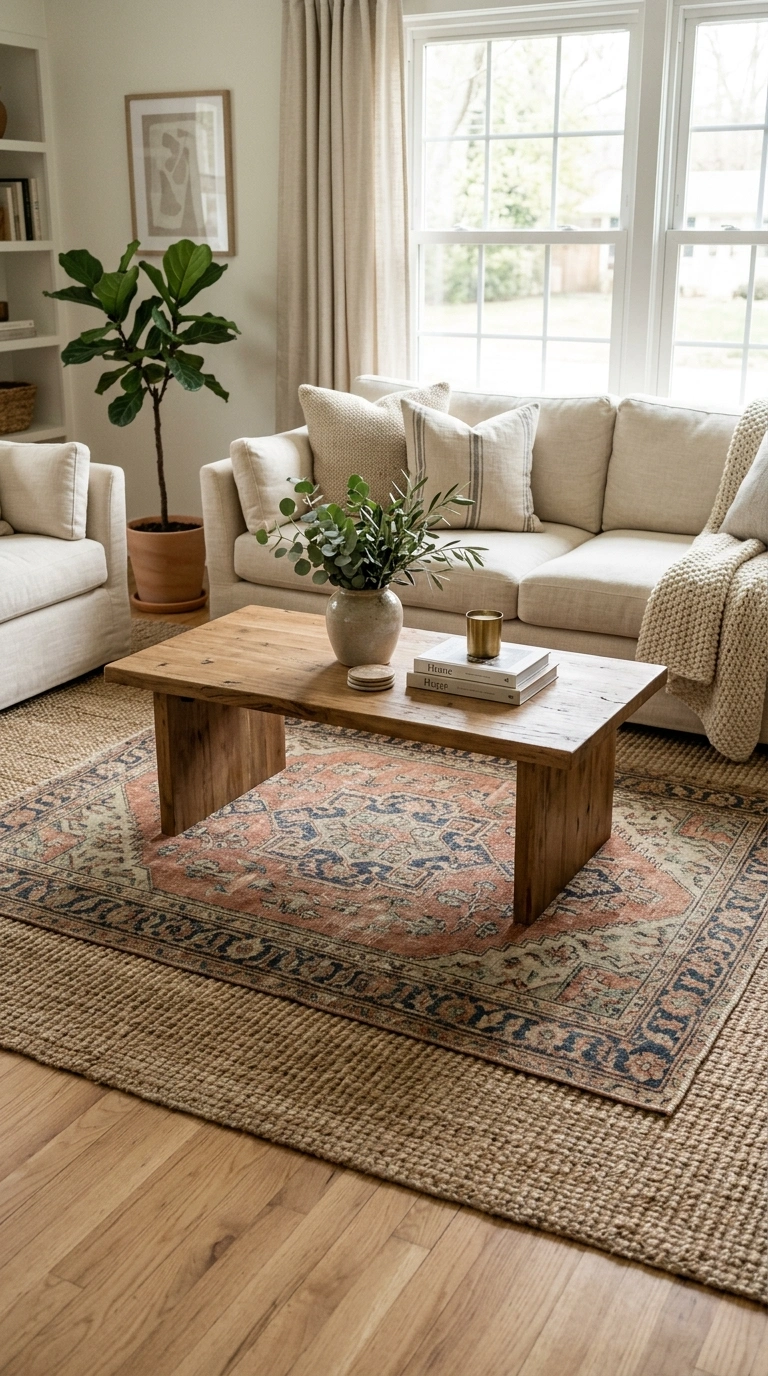
Layering two rugs on top of each other is one of the easiest ways to make a living room feel designed rather than thrown together. Start with a large, neutral jute or sisal rug that covers most of the floor, then add a smaller patterned or textured rug on top, centered under your coffee table. This trick adds visual depth and warmth that a single flat rug cannot give you, and it works in almost any style of room, from modern to traditional. Choose colors that pull from your existing furniture so the layers feel connected rather than random. This idea is especially useful if you already own an older rug that looks a little worn, since layering hides minor wear while adding something new on top. Budget stores now sell affordable jute rugs specifically for this purpose, so the whole look can come together for very little money, and the finished result reads as much more expensive than either rug would look alone.
ALSO READ>18 Small Living Rooms That Balance Style & TV
2. Oversized Wall Art
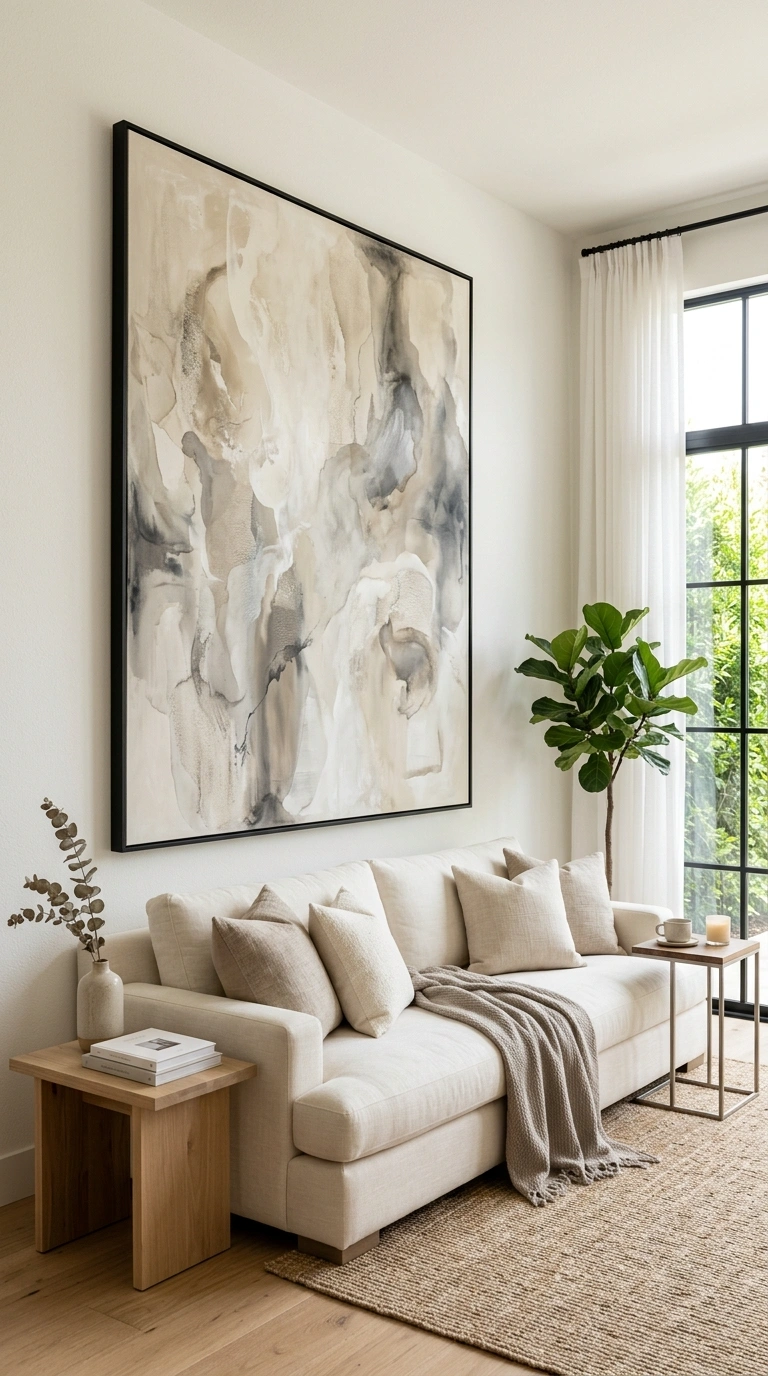
One large piece of art above the sofa does more for a living room than five small pieces scattered around the walls. Choose a piece that spans at least two thirds the width of your sofa, in a simple black frame or no frame at all if it is a canvas print. Abstract art in soft, neutral tones works well in almost any room, since it adds interest without clashing with your existing furniture or rug. Hang it so the center sits about eight inches above the back of the sofa, which is the sweet spot that makes the whole wall feel balanced. Large art can be found affordably from print shops online, and printing your own photography large scale is another budget friendly option. This single change often makes the biggest visual difference in the room for the least effort, since an empty wall above a sofa is one of the first things people notice when they walk in.
3. Brass Accent Lamps
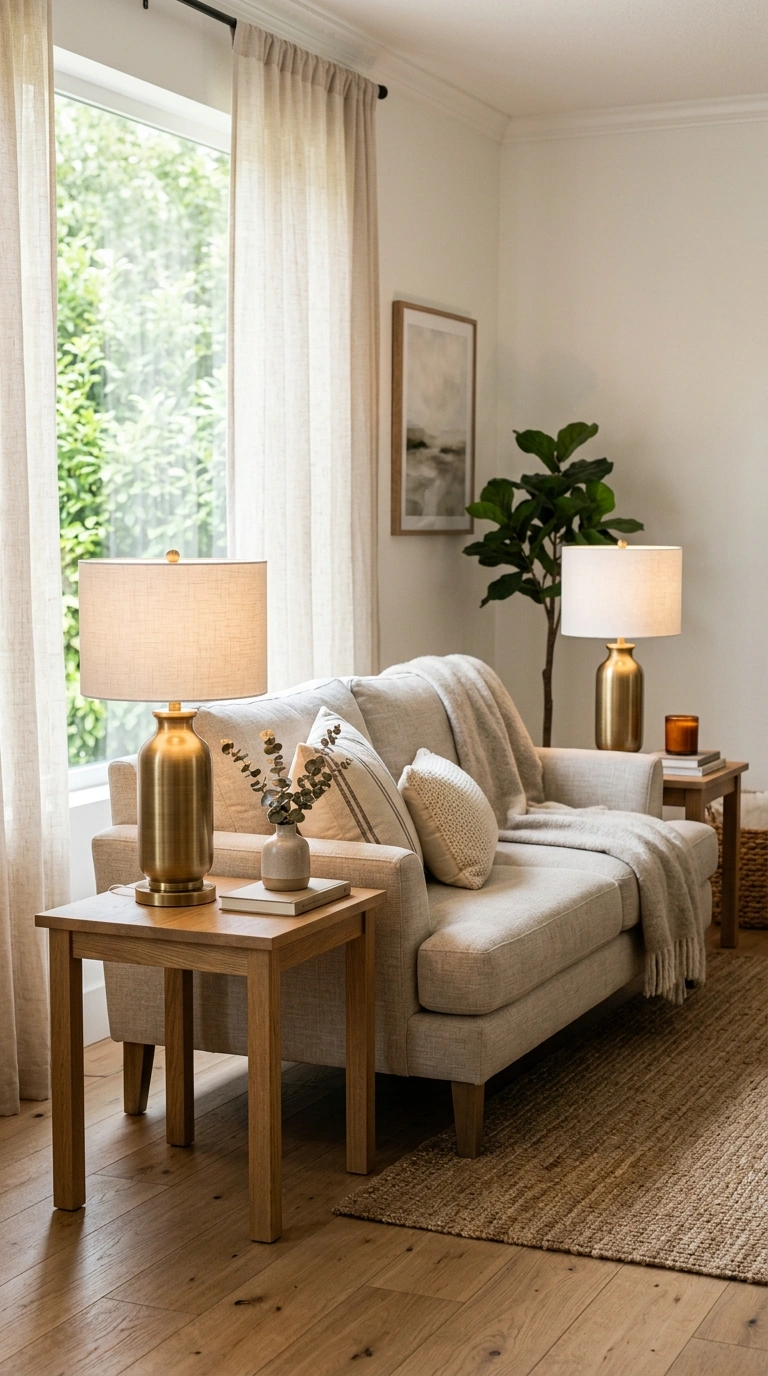
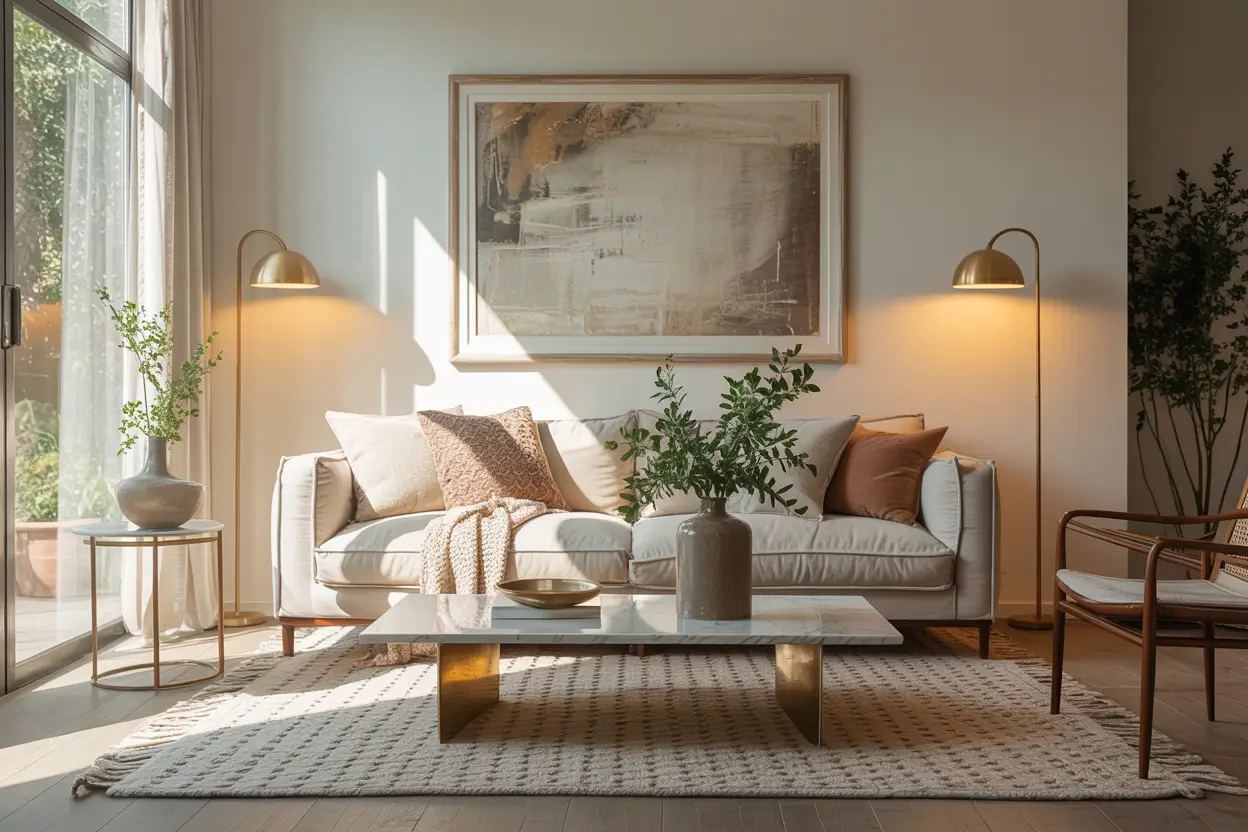
Swapping plain plastic lamps for a pair in brushed brass or gold instantly makes a living room feel more polished and expensive. Place one on each side table flanking the sofa, choosing a simple shade in white or cream linen so the light stays warm and soft in the evening. Matching lamps create symmetry, which the eye reads as intentional design even in a room with mismatched furniture. Brass finishes especially catch the light in a way that plastic or matte black cannot, adding a subtle sparkle to the room after dark. You do not need designer lamps for this effect, since budget stores now carry brass finished lamps that look nearly identical to pricier versions. Turn them on in the evening instead of relying only on overhead lighting, since warm lamp light immediately makes any living room feel cozier and more considered than bright overhead bulbs ever could.
4. Velvet Throw Pillows
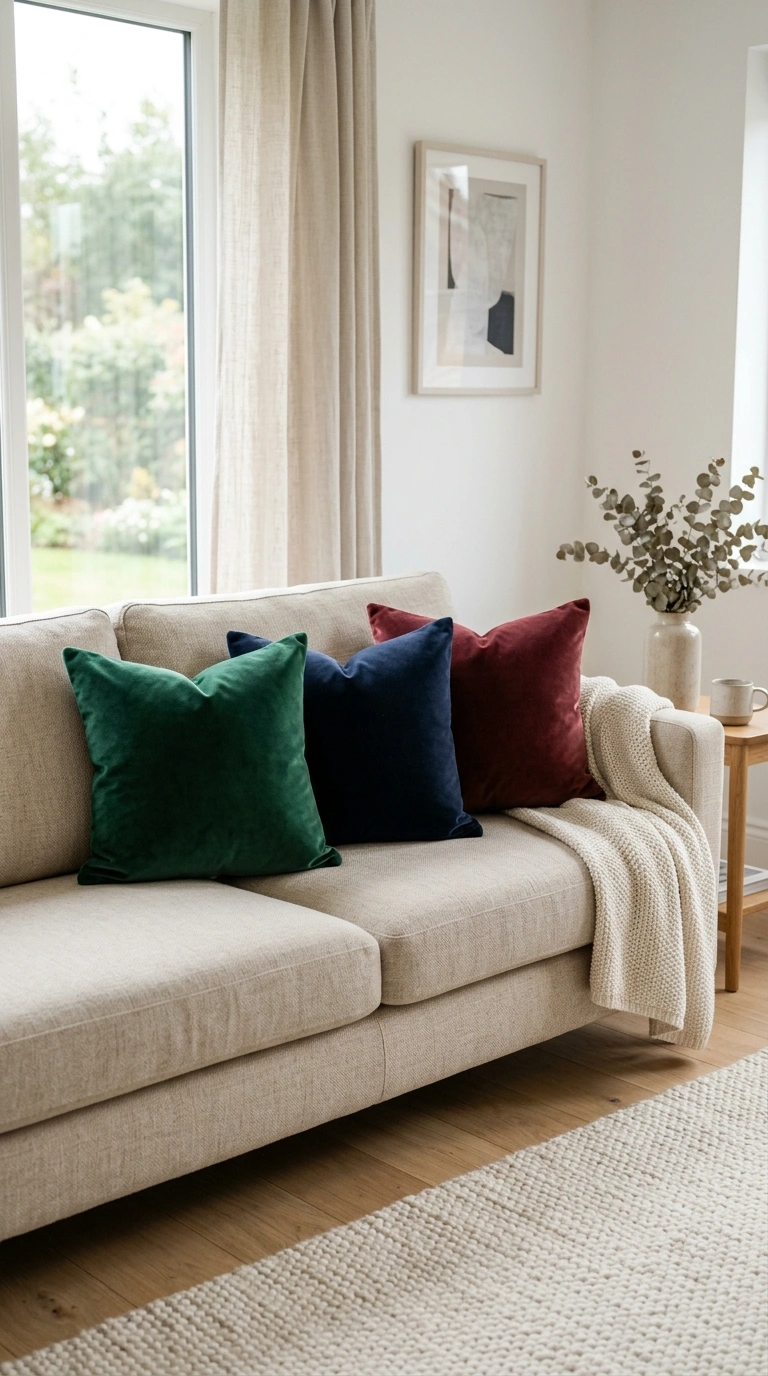
Swapping your everyday cotton throw pillows for a few in velvet is a small change that makes a sofa look noticeably richer. Choose two or three pillows in deep jewel tones, emerald, navy, or burgundy, and mix them with one or two plain linen pillows so the velvet does not overwhelm the whole sofa. Velvet catches light differently than flat cotton fabric, giving the room a soft shimmer that reads as more luxurious the moment you walk in. Arrange them in an odd number, three works especially well, layered slightly so each one is partly visible rather than lined up in a flat row. This is one of the cheapest updates on this entire list, since a few pillow covers cost very little compared to buying a new sofa. Rotate them seasonally if you want variety, keeping the same neutral sofa base while changing just the pillows to shift the whole feeling of the room.
ALSO READ>19 Cute Pink Living Room Ideas That Still Feel Sophisticated
5. Marble Look Coffee Table
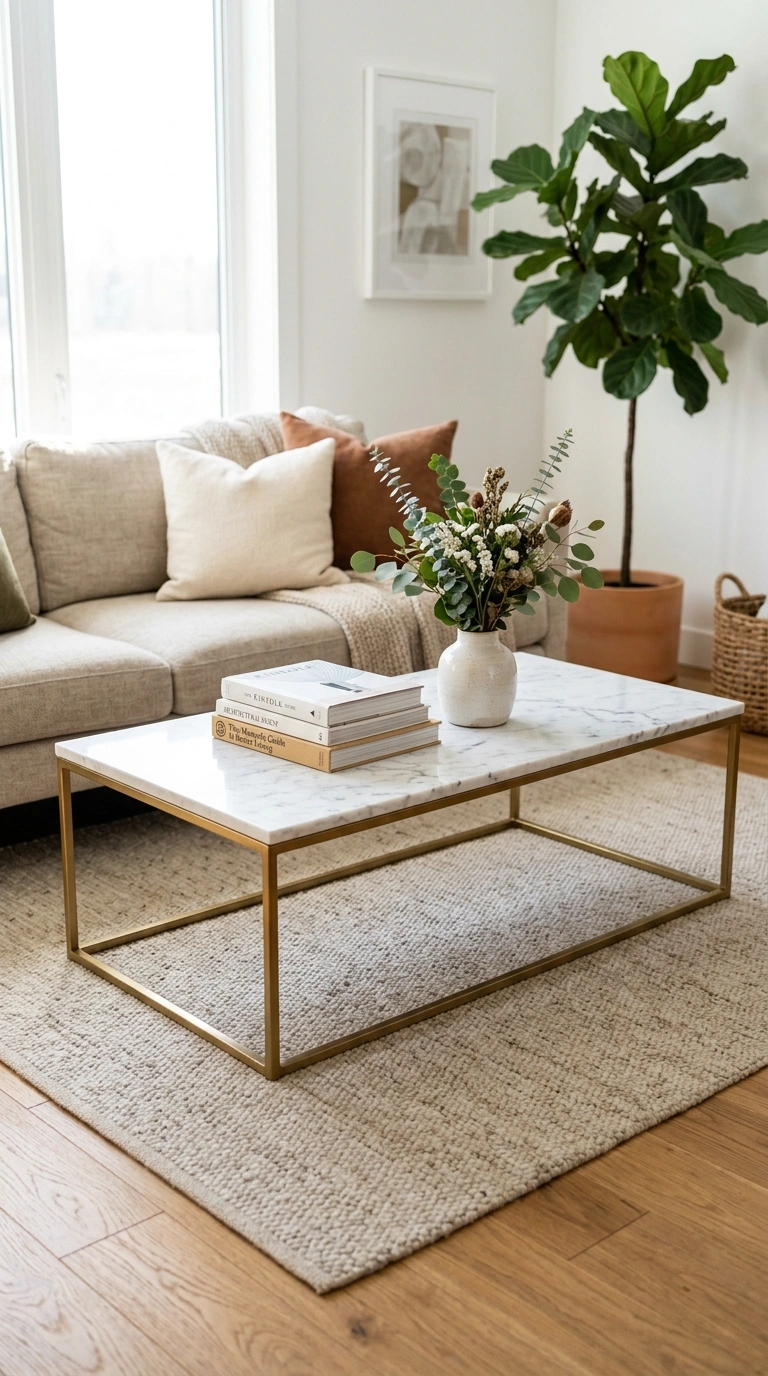
A coffee table with a faux marble top brings an expensive, high end look to a living room without the real marble price tag. Choose a table with a printed marble surface, or apply marble contact paper to a plain wood table you already own, in white with soft gray veining for the most convincing effect. Pair it with gold or black metal legs, since that contrast is what makes real marble tables look so polished in the first place. Style the top simply, one stack of books, a small tray, a single vase, so the marble pattern stays the star rather than getting buried under clutter. This table works as the visual anchor of the whole room, sitting at the center where every eye naturally lands first. Contact paper versions of this look cost only a few dollars and can be applied in under an hour, making this one of the most dramatic changes for the least amount of money or time.
6. Statement Mirror Wall
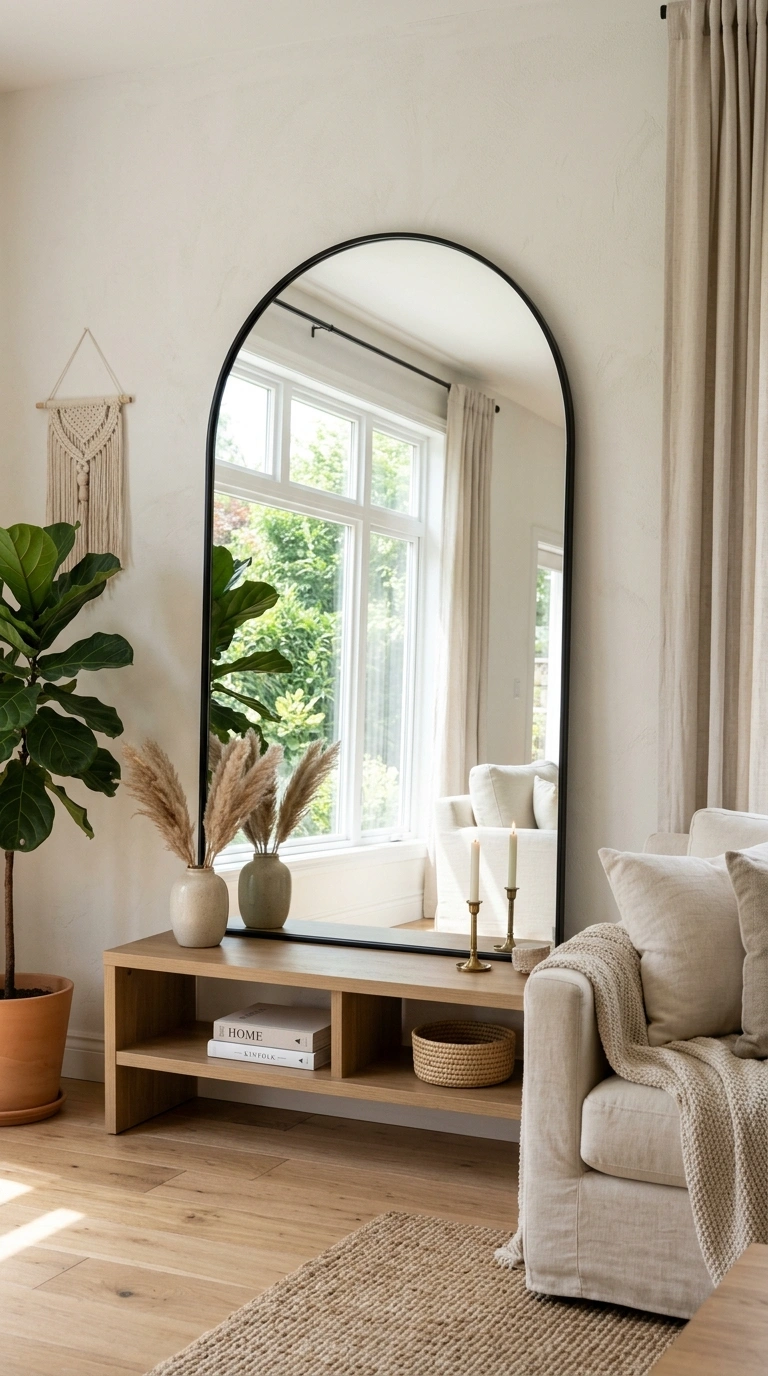
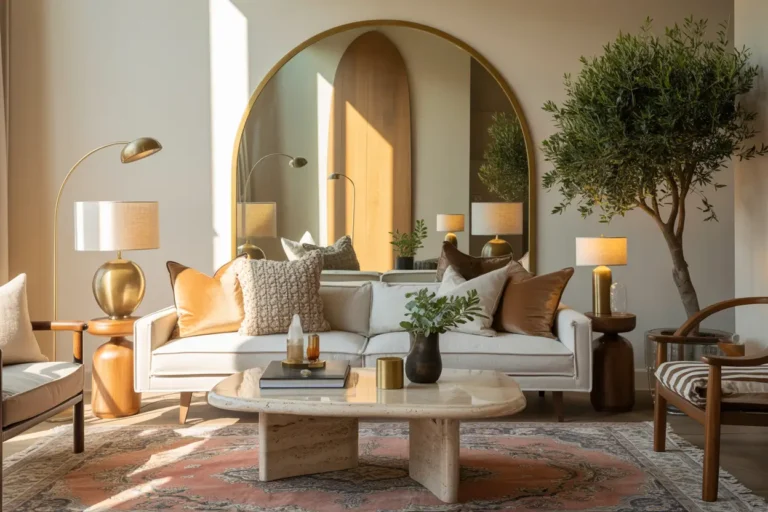
A large mirror leaning against the wall or hung above a console table instantly makes a living room feel bigger, brighter, and more finished. Choose an arched or round mirror with a slim black or brass frame, and place it on the wall across from your main window so it reflects natural light back into the room throughout the day. This trick works especially well in smaller living rooms, since the reflected light and added depth make the whole space read as more open than it actually is. A leaning floor mirror creates a relaxed, collected look, while a hung mirror feels a bit more formal, so choose based on the mood you want. Large mirrors are one of those pieces that look expensive because they genuinely require more material to make, but discount home stores often carry oversized versions for a fraction of boutique prices, so this is an easy way to get a high end look without the high end cost.
7. Curtain Height Trick
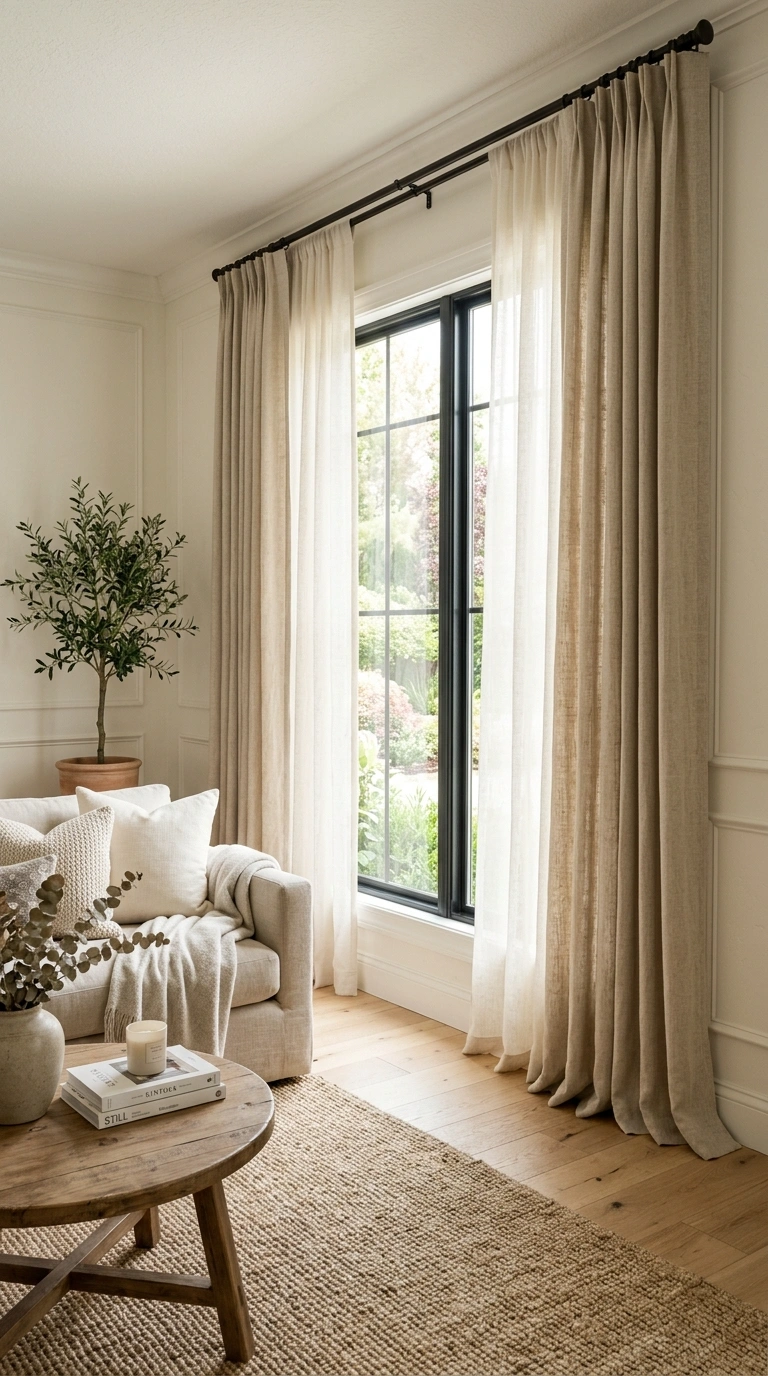
Hanging curtains close to the ceiling instead of right above the window frame is one of the simplest tricks for making a living room feel taller and more expensive. Install the curtain rod about four to six inches below the ceiling line, even if your window itself is much shorter, and choose curtains long enough to just brush the floor. This creates the illusion of much higher ceilings and larger windows than you actually have, a trick used constantly in professional design work. Pick a simple linen or cotton fabric in a soft neutral tone so the curtains feel classic rather than trendy. This is a nearly free change if you already own curtains, since it only requires moving the existing hardware higher on the wall. The difference this one adjustment makes to how a room feels is genuinely surprising, and it costs nothing beyond a few minutes with a drill and a level.
8. Symmetrical Console Styling
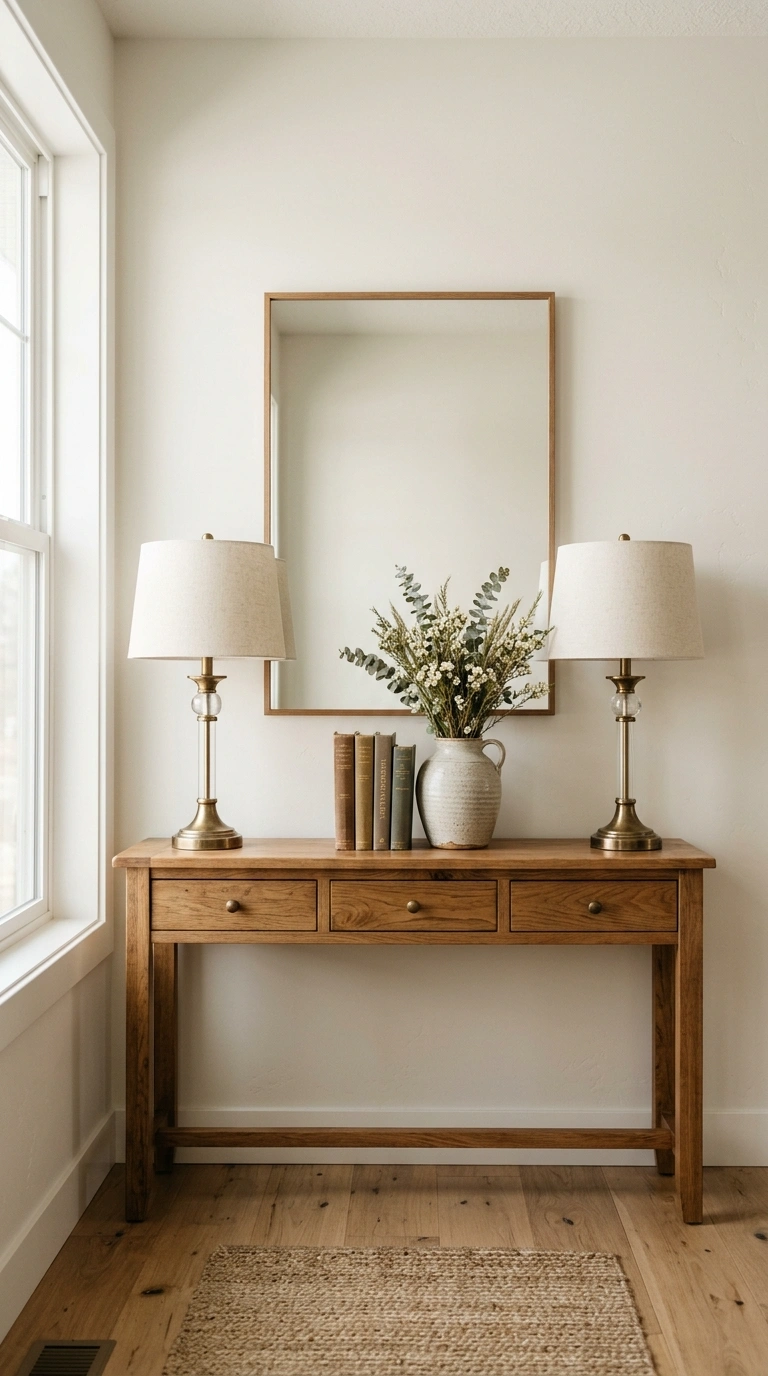
Styling a console table or sideboard symmetrically gives a living room an intentional, gallery like feeling with very little effort. Place a lamp or a tall vase on each end of the table, then fill the center with two or three smaller items, a stack of books, a small sculpture, a low bowl, arranged in a balanced but not perfectly matched way. Symmetry is one of the strongest visual cues our eyes associate with expensive, well designed spaces, even when the actual objects cost very little. Choose a simple color palette across the styled objects, white, black, and one wood tone, so the grouping feels cohesive rather than cluttered. This idea works on any console or sideboard you already own, so there is no need to buy new furniture, just a rearrangement of what is already sitting on top of it. Spend twenty minutes moving pieces around until the balance feels right, and the whole wall will read completely differently.
9. Matching Frame Gallery
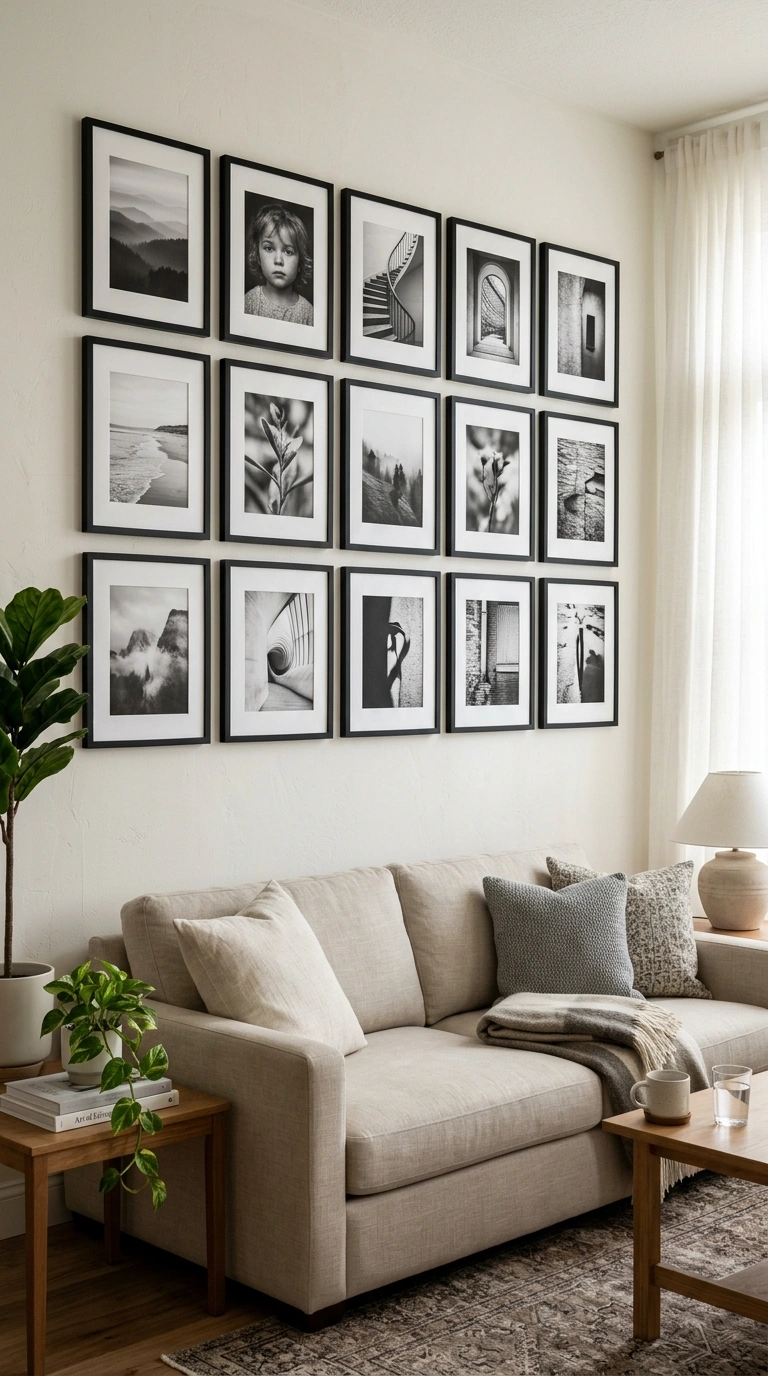
A gallery wall built entirely from matching frames looks far more polished than one made from a random mix of sizes and colors. Choose a single frame color and finish, black metal or natural wood both work nicely, and use only two or three different sizes throughout the grouping. Fill them with simple art prints, black and white photography, or personal photos edited to look consistent in tone. Lay the arrangement out on the floor first, keeping about two inches between each frame, before committing to any nail holes. This works best on a large blank wall behind the sofa or in a hallway leading into the living room. Matching frames are the real trick here, since the uniformity does most of the visual work even if the art inside varies quite a bit. This is a project you can build slowly, adding frames over several months without the wall ever looking unfinished in the meantime.
10. Neutral Color Palette
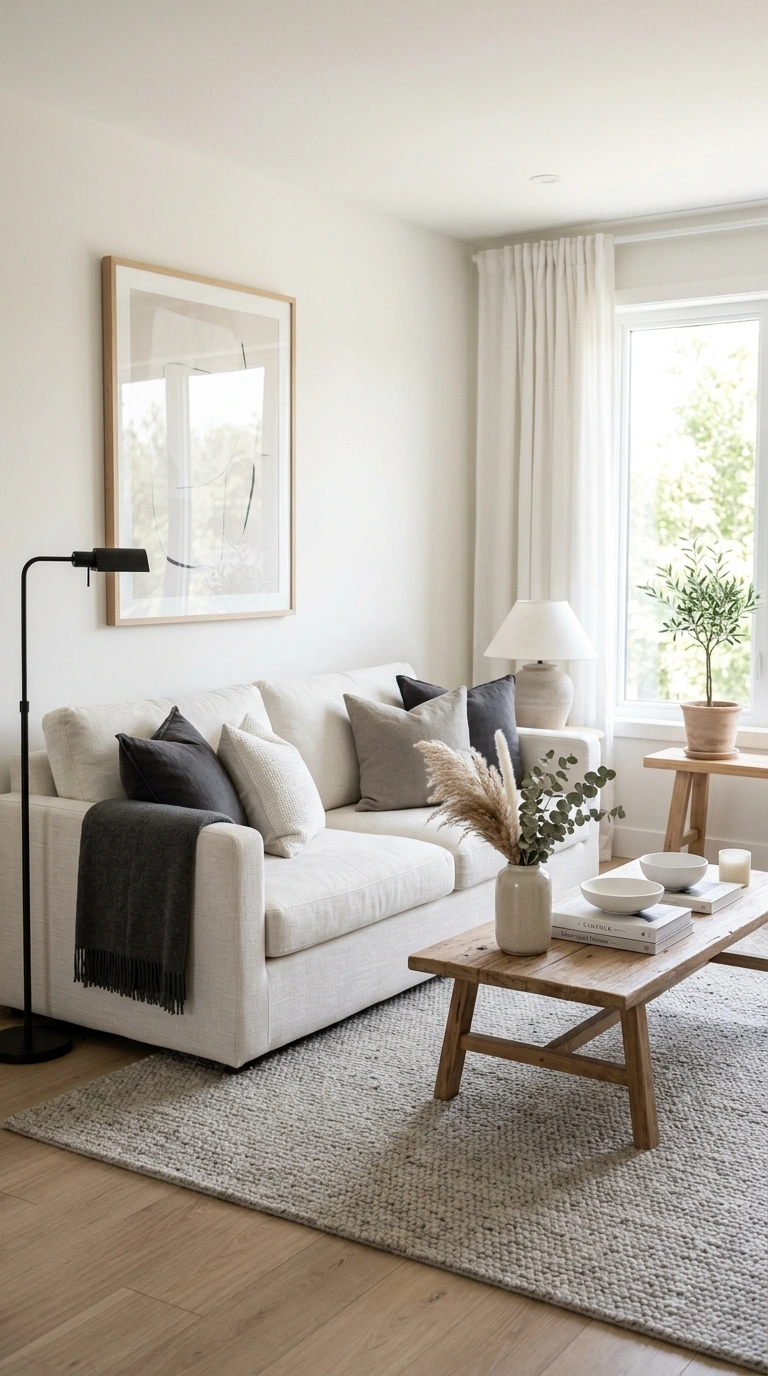
Sticking to a tight, neutral color palette across your walls, furniture, and accessories is one of the fastest ways to make a living room feel calm, cohesive, and expensive. Choose two or three main colors, warm white, soft greige, and one deeper accent like charcoal or forest green, and repeat those same colors throughout the room in different textures and materials. This restraint is exactly what higher end interior design tends to favor, since a busy mix of colors and patterns often reads as cluttered rather than luxurious. You do not need to repaint the whole room to get this effect, small swaps like pillow covers, a new throw blanket, or a rug in the right tone can shift an entire space toward this calmer palette. Keep one or two pops of a richer color for interest, but let the neutral base carry most of the room. This approach also makes it much easier to add new pieces later, since almost anything neutral will fit right in.
11. Textured Throw Blanket
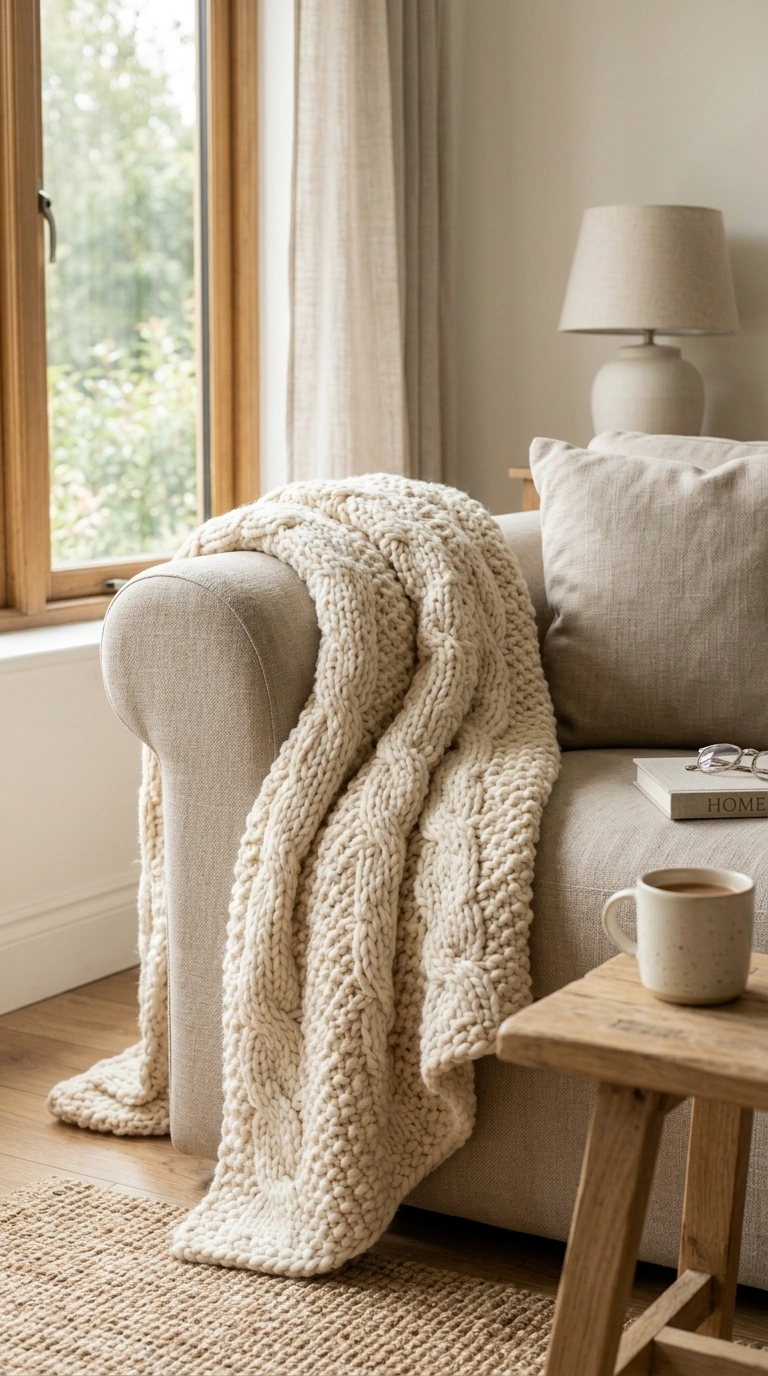
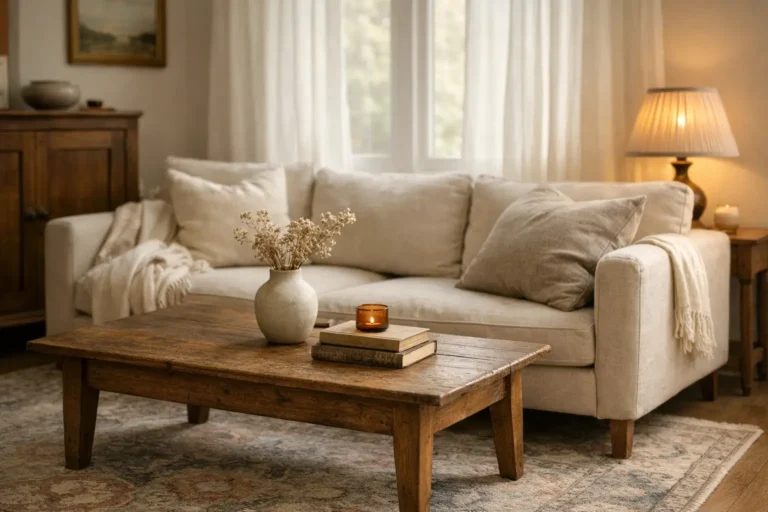
Draping a textured throw blanket over the arm of the sofa or the back of a chair adds warmth and a sense of coziness that a bare sofa never has on its own. Choose a chunky knit in cream or oatmeal, since these heavier textures photograph and feel more expensive than thin, flat blankets. Fold it loosely rather than perfectly, letting it drape naturally over one arm so it looks lived in rather than staged. This small addition works especially well in rooms with a lot of hard surfaces, leather sofas, wood floors, since the soft texture balances everything out. A good chunky knit throw can be found at most home stores for a reasonable price, and it instantly makes a room feel more finished the moment it is added. This is one of those details that seems small but genuinely changes how inviting the whole living room feels to sit in.
ALSO READ>21 Stunning Symmetrical Living Room Ideas That Feel Instantly Calm and Perfectly Balanced
12. Bookshelf Styling Trick
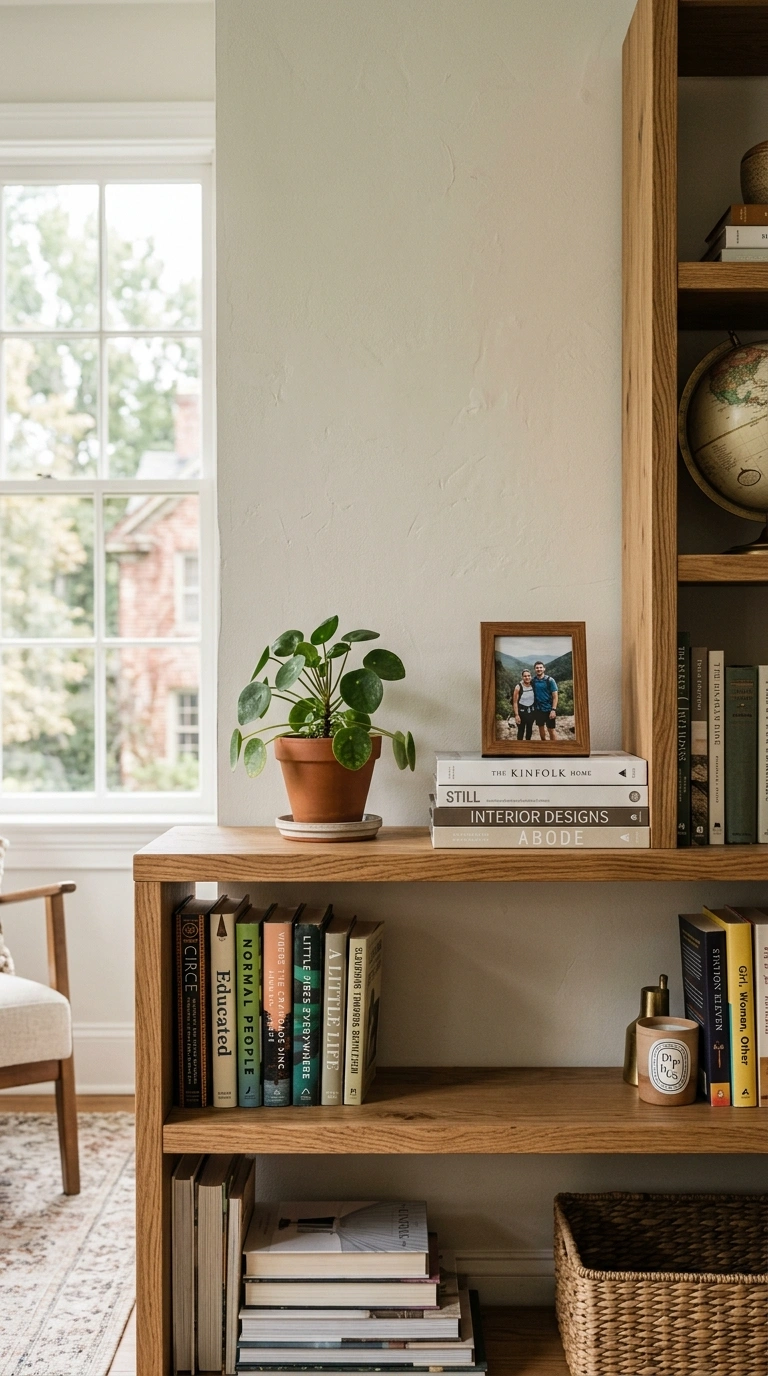
Styling a bookshelf the way professional stagers do turns ordinary storage into one of the most attractive features in the whole room. Remove about a third of what is currently on the shelves, then arrange the remaining books both upright and stacked flat, mixing in a few small objects, a plant, a framed photo, a simple bowl, between the groupings. Leave some empty space on each shelf rather than filling every inch, since breathing room is what makes a shelf look curated instead of crowded. Group books by color occasionally for a calmer visual effect, especially if your book collection includes a lot of busy, mismatched spines. This costs nothing beyond the time it takes to rearrange what you already own, making it one of the easiest updates on this entire list. A well styled bookshelf becomes a genuine focal point, giving guests something interesting to look at during conversation instead of just blank storage.
13. Faux Fireplace Mantel
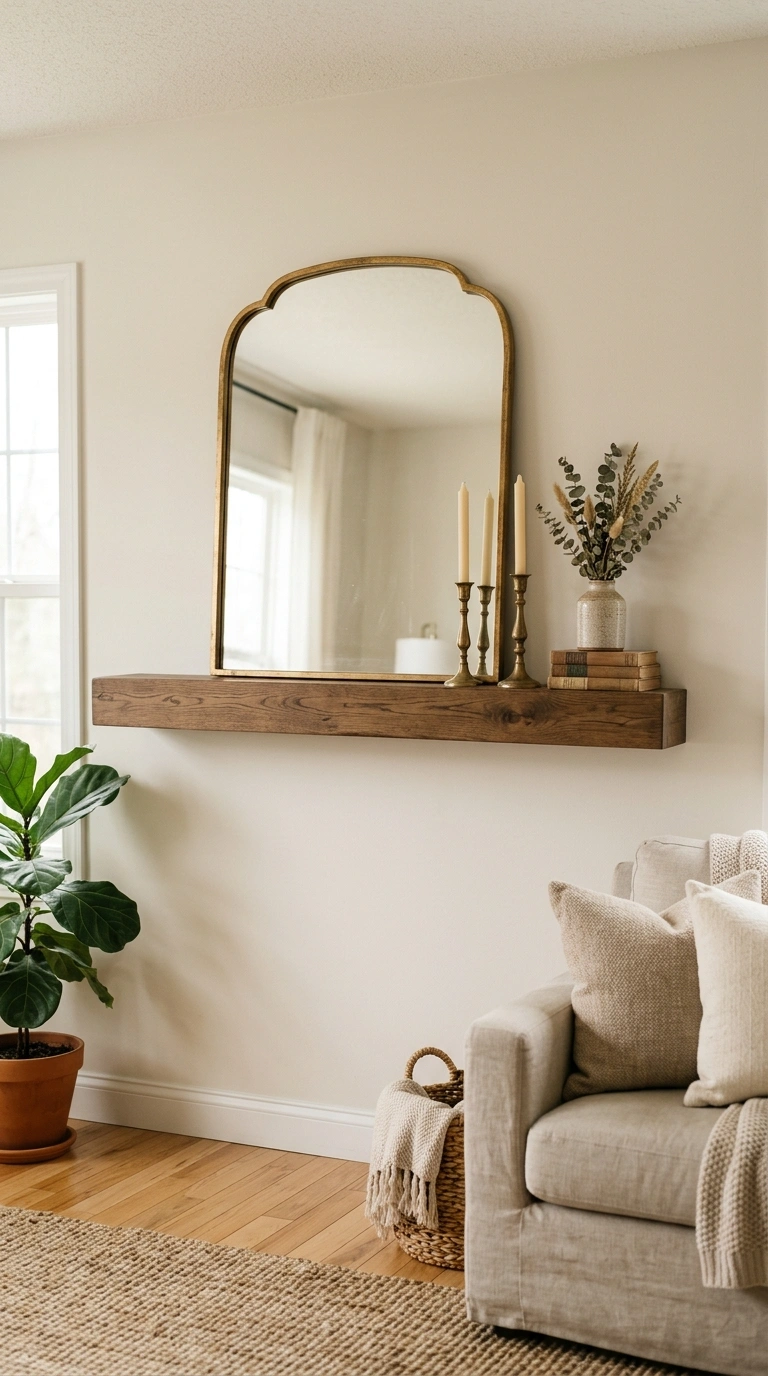
Building a faux fireplace mantel gives a living room the classic, elegant focal point that only older homes usually have built in. Attach a simple wood mantel shelf to the wall at a standard height, around fifty inches from the floor, even without a real fireplace beneath it, and paint it to match your trim or wall color. Style the top with a large mirror or art piece leaning against the wall, flanked by two candlesticks or small vases for balance. Some homeowners add a simple faux firebox insert below for extra realism, though the mantel alone creates most of the visual impact on its own. This idea works especially well in living rooms that feel a little plain or boxy, since a mantel adds architectural interest where there was none before. Mantel shelf kits are sold at most home improvement stores and can usually be installed in a single afternoon with basic tools.
14. Layered Table Lamps
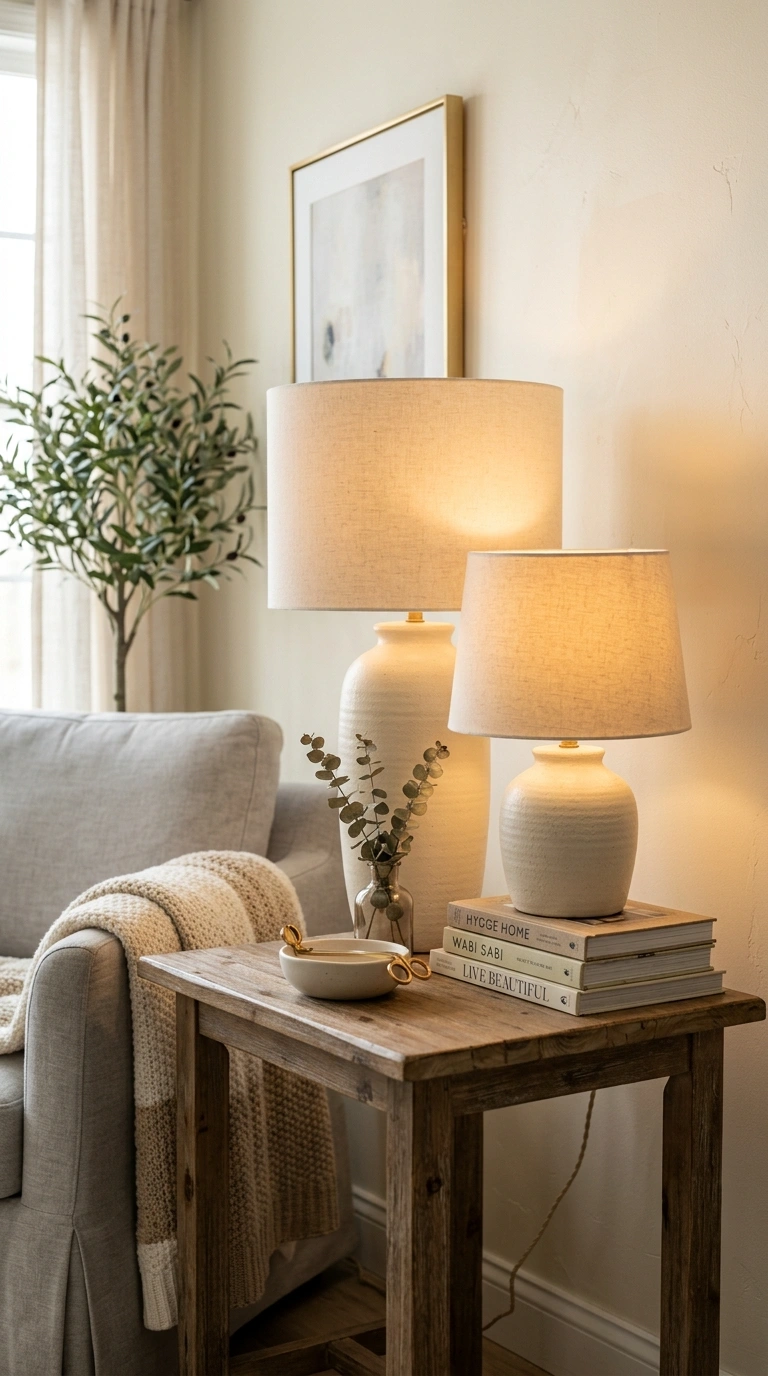
Using two different lamp heights on the same side table creates a layered lighting effect that feels much more considered than a single overhead light. Place a taller lamp toward the back corner of the table and a shorter one slightly in front, so the light spreads at different levels around the seating area. Choose shades in a similar color, cream or white both work well, so the pair reads as intentional rather than mismatched. This trick is often used in hotel lounges and boutique hotels for exactly this reason, since layered light feels warmer and more expensive than one flat source. Turn off the main overhead light in the evening and rely on these two lamps instead, letting the room settle into a softer, cozier mood. This idea costs very little if you already own a spare lamp somewhere in the house, since it is really about placement more than buying anything new.
15. Woven Basket Storage
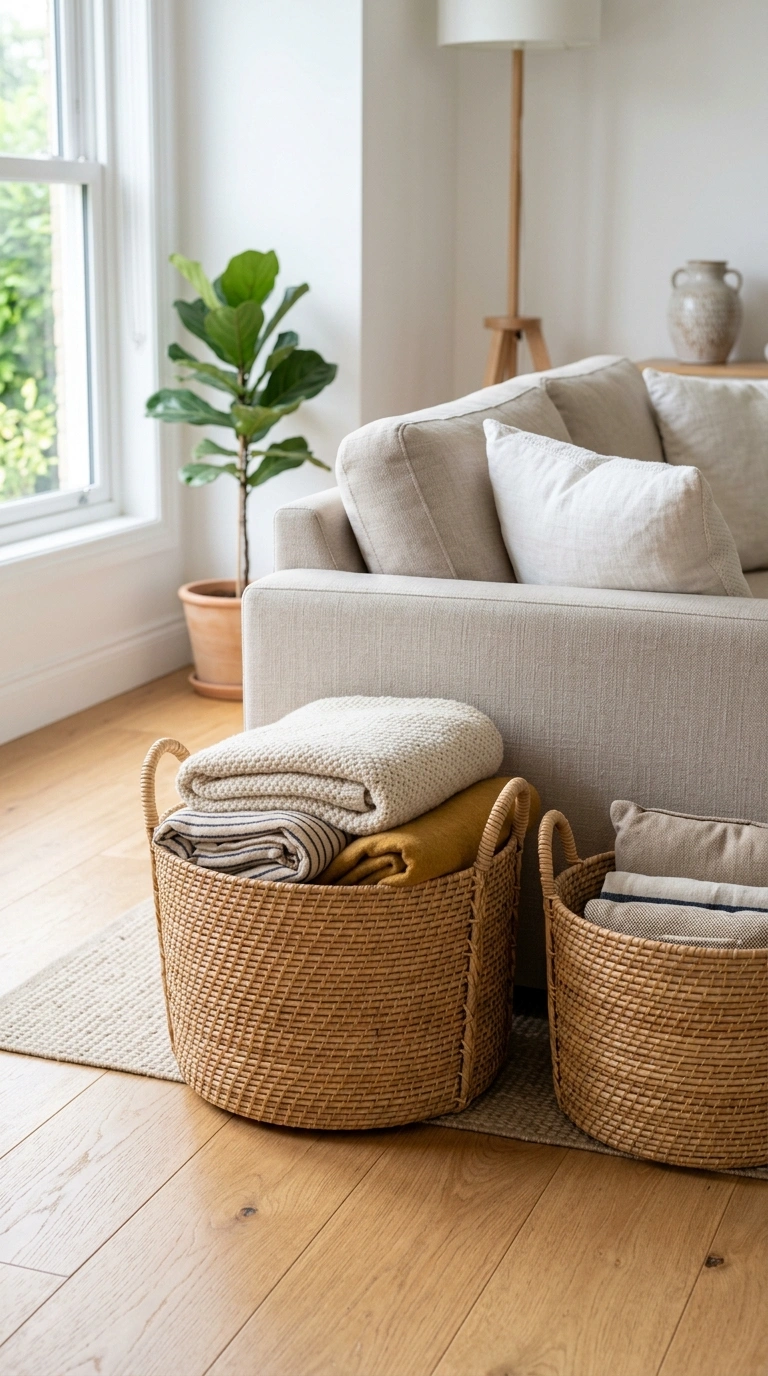
Swapping plastic storage bins for woven baskets is a simple change that hides clutter while adding warmth to the room at the same time. Choose two or three baskets in a similar natural material, seagrass or rattan, and use them to store blankets, magazines, or remote controls near the sofa or under a console table. The natural texture softens a room that might otherwise feel too sleek or cold, especially in spaces with a lot of glass and metal furniture. Baskets also solve a real practical problem, since most living rooms accumulate small clutter that has nowhere obvious to go. Choose a size that fits neatly into the space you have, tucking one under a side table or stacking two of different sizes in a corner. This is a budget friendly swap available at almost any home store, and it makes a noticeable difference in how organized and considered the whole room feels.
ALSO READ>23 Black Living Room Ideas Featuring Marble and Natural Textures
16. Greenery in Corners
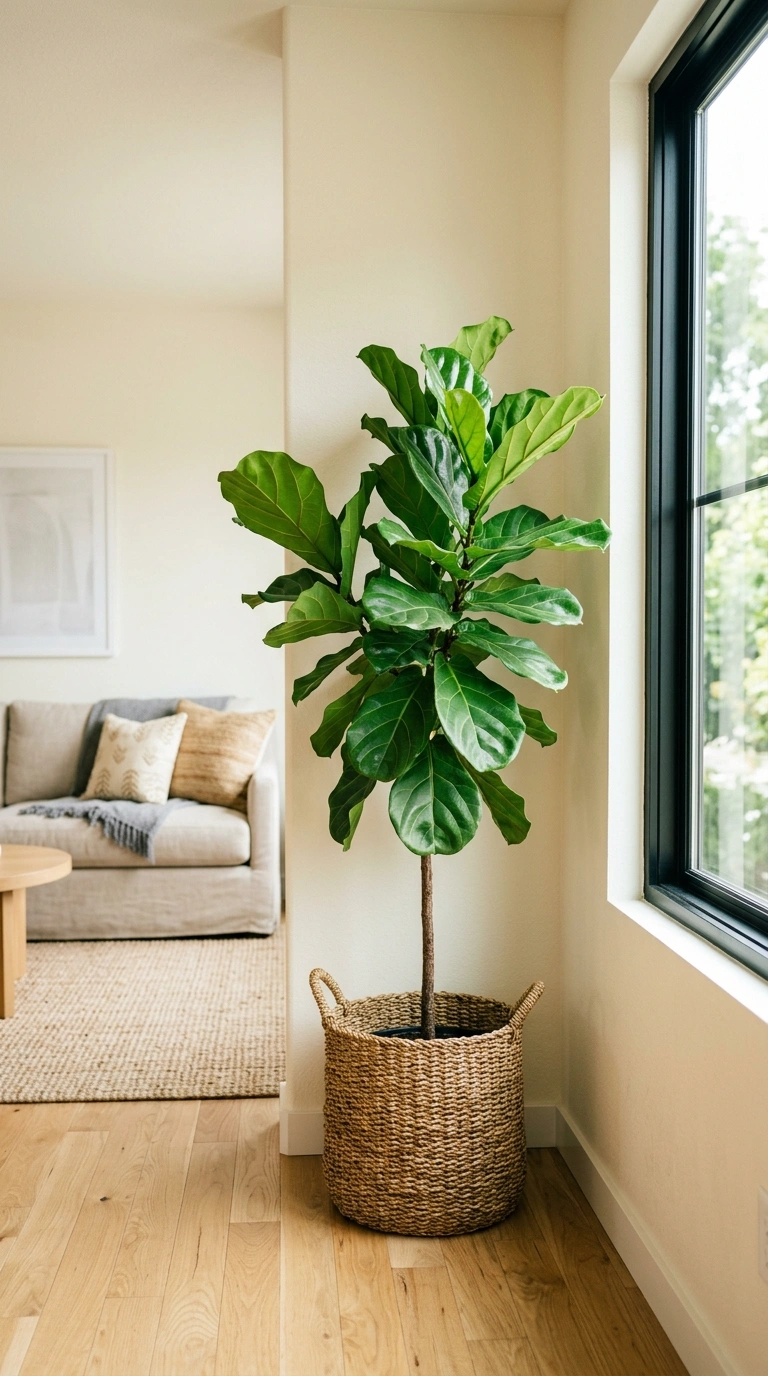
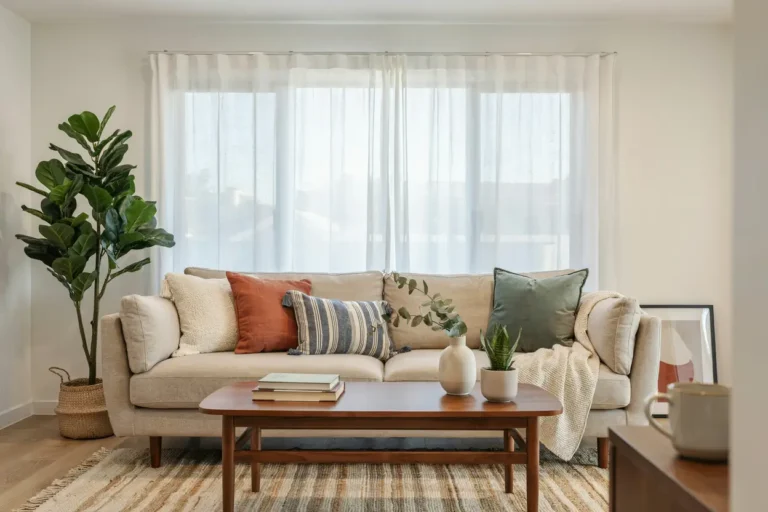
Placing a tall potted plant in an empty corner fills awkward dead space and adds a fresh, organic feeling that furniture alone cannot provide. Choose a plant with real height, a fiddle leaf fig or a snake plant both work well, and place it in a simple woven or ceramic planter that matches your room’s existing tones. Corners are often the most neglected part of a living room, left completely bare simply because there is no obvious furniture that fits there. A plant solves this problem without adding bulk, since its shape is naturally slim and vertical compared to a chair or side table. If you do not have much natural light in that corner, a realistic faux plant works just as well and requires no maintenance at all. This is one of the lowest cost updates on the entire list, and it brings a sense of life and softness to a room that might otherwise feel a little stiff or empty.
17. Upholstered Bench Seat
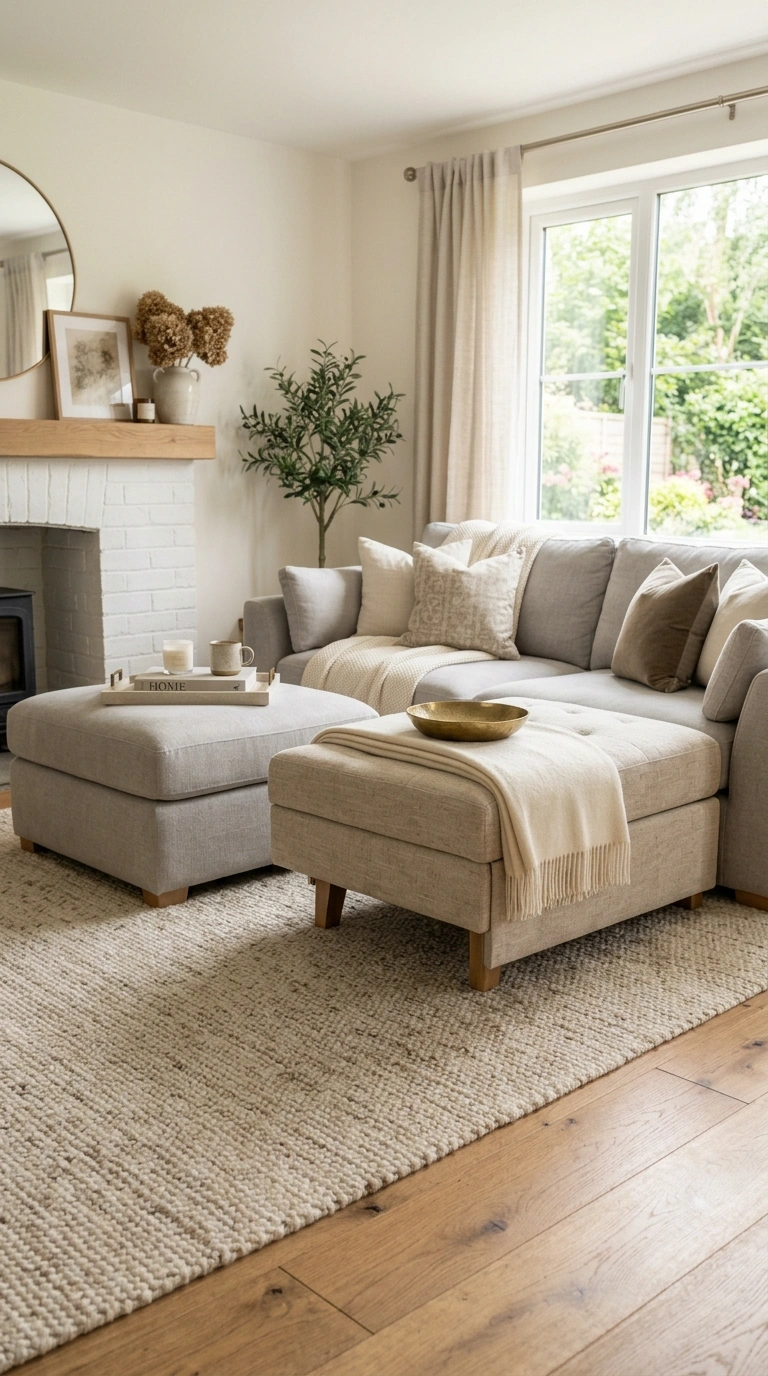
Adding an upholstered bench at the foot of a large sofa or under a window gives a living room extra seating and a softer, more furnished feeling. Choose a bench in a neutral linen or velvet fabric, keeping the legs slim and either black or natural wood so it does not feel bulky in the space. Place it perpendicular to the sofa if your room allows for it, creating a more open seating arrangement than a single couch and two chairs facing a television. This piece also works well under a window, giving you a spot to sit and set down a book or a cup of coffee. A bench like this can often be found secondhand or on clearance, since it is a less common furniture piece that many stores discount to move inventory. The added texture and shape variety it brings to a room makes the whole seating area feel more intentional and less like a standard furniture showroom set.
18. Matching Lamp Pair
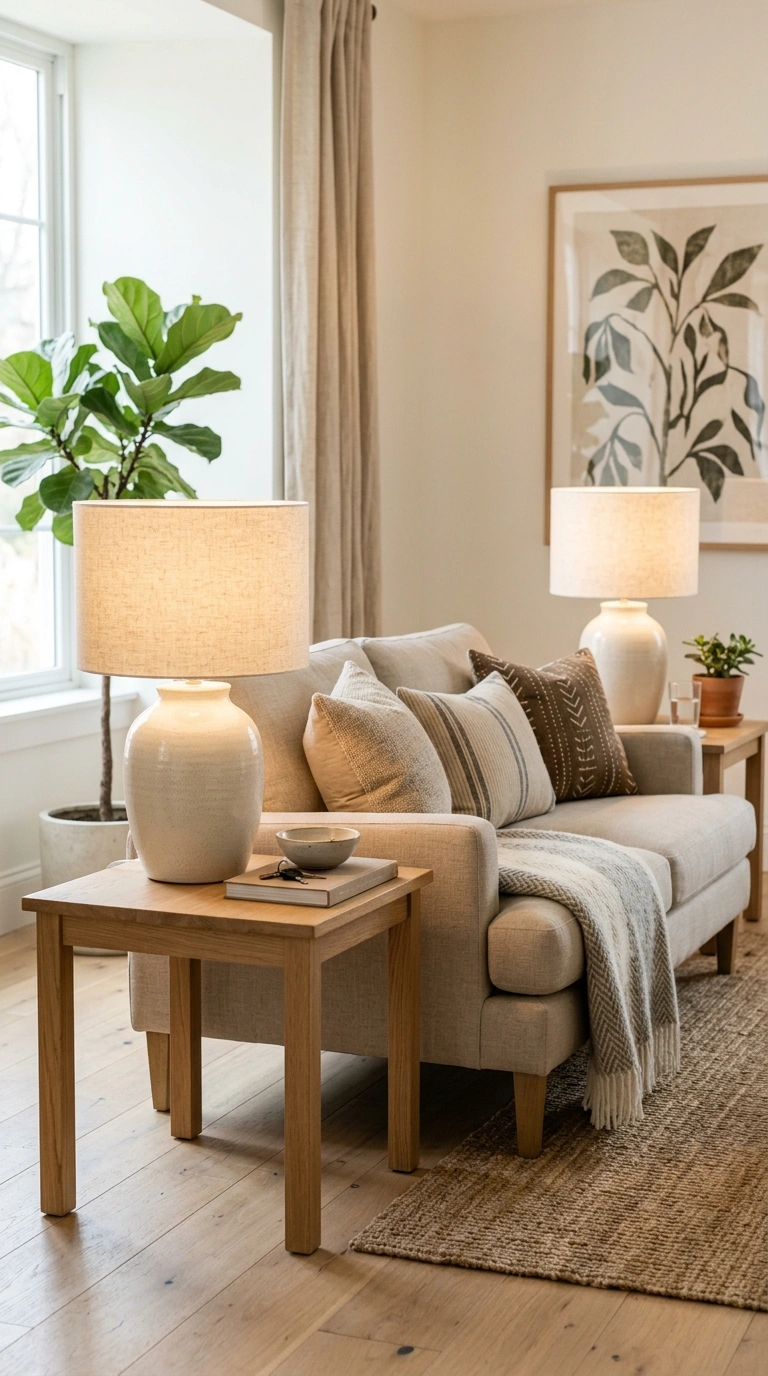
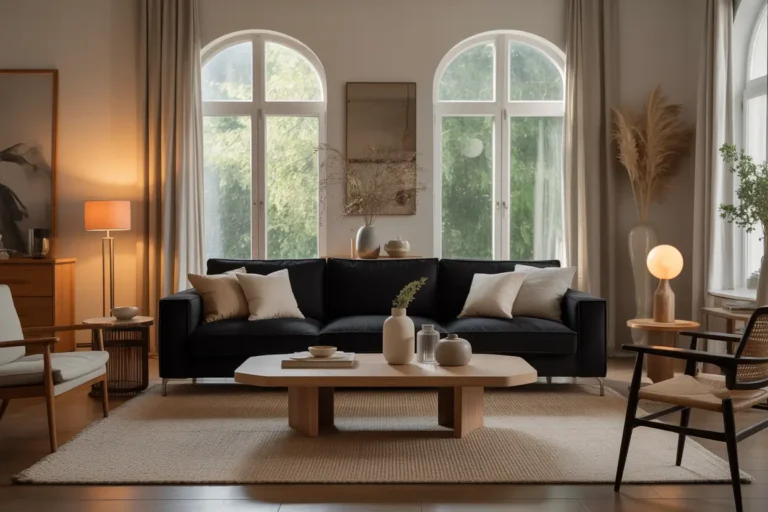
Placing a matching pair of lamps on either side of the sofa, whether on side tables or a low console, creates the kind of symmetry that instantly reads as high end design. Choose a simple silhouette in ceramic or brushed metal, with shades in the same cream or linen tone, so the pair looks deliberate rather than accidental. This works even if your side tables themselves do not match, since the identical lamps pull the whole grouping together visually. Turn both lamps on in the evening rather than relying on a single overhead fixture, since warm, doubled light sources make a room feel noticeably cozier and more considered. This is a small investment that pays off every single evening, since lighting affects the mood of a room more than almost any other single element. Many home stores sell lamps in pairs specifically for this reason, making it easy to get this matched look without hunting for two identical pieces separately.
19. Ottoman Coffee Table
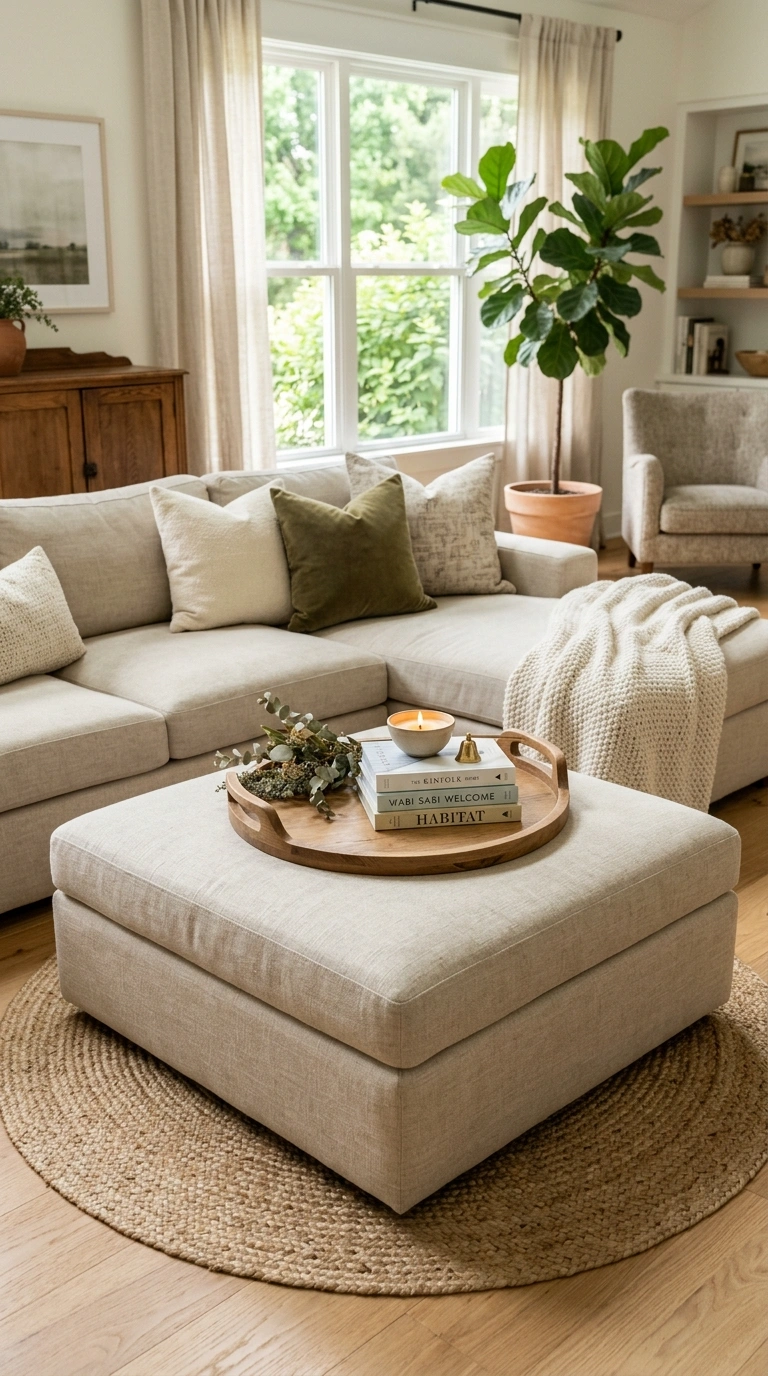
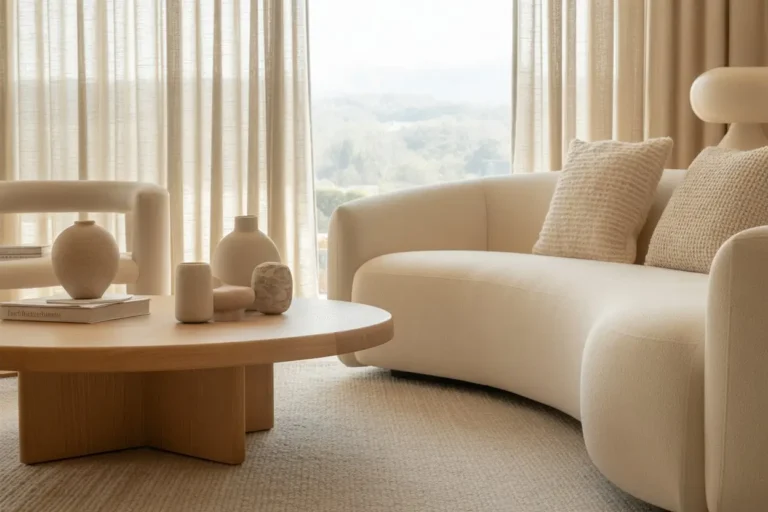
Using a large upholstered ottoman instead of a traditional coffee table softens a living room and adds a more relaxed, elegant feel to the seating area. Choose one in a neutral linen or velvet fabric, large enough to rest a tray on top for drinks or books, and place it at the center of your seating arrangement just as you would a regular coffee table. This works especially well in rooms with young kids or frequent guests, since there are no hard edges to worry about, while still looking polished and put together. Add a simple wood or metal tray on top to create a defined surface for setting down items, which keeps the ottoman practical as well as attractive. This swap changes the whole feeling of a room from sharp and formal to soft and inviting, without losing any of the elegance a proper coffee table would normally provide. Ottomans in this style are widely available and often more affordable than a comparable wood coffee table.
20. Framed Mirror Cluster
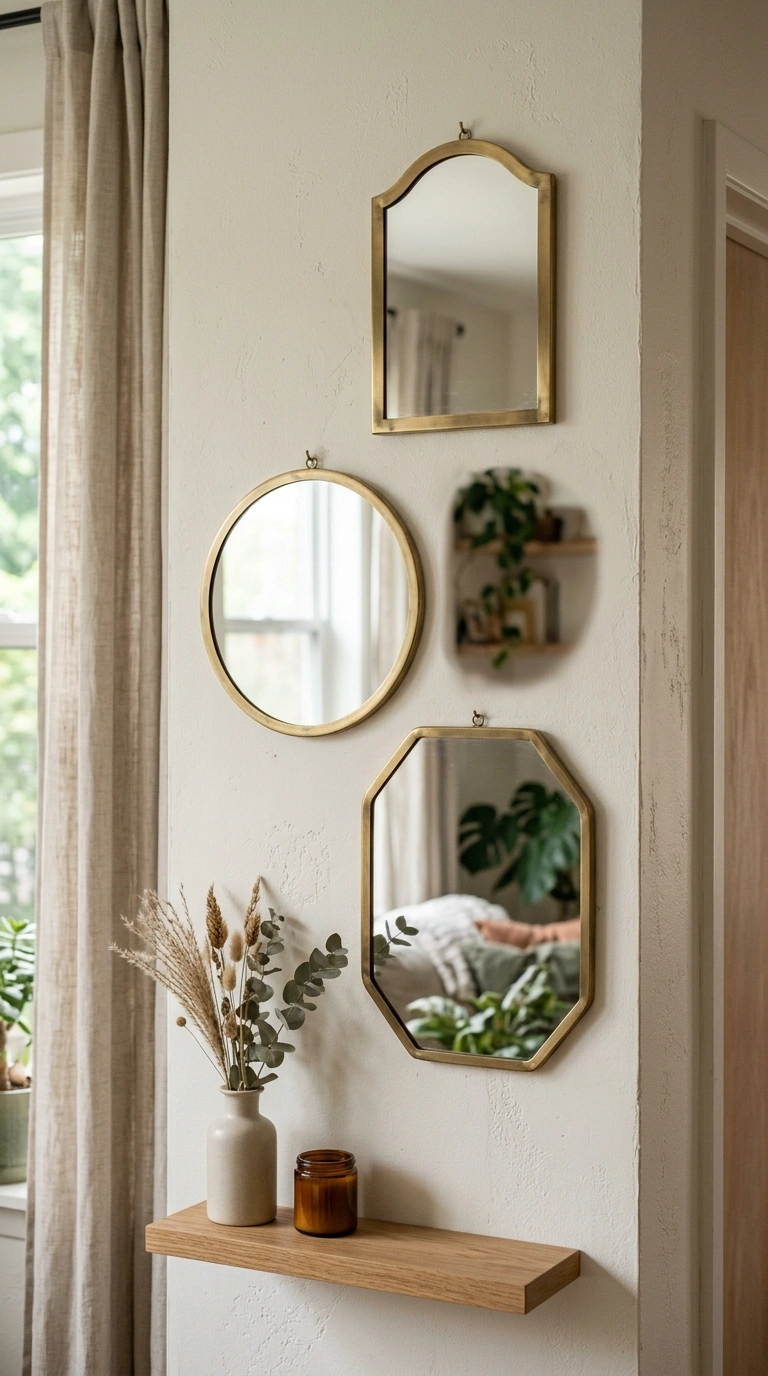
Grouping three small mirrors together on one wall creates a layered, boutique hotel feeling that a single mirror alone cannot quite achieve. Choose mirrors in the same frame finish but slightly different shapes, one round, one arched, one simple rectangle, and arrange them in a loose cluster rather than a straight, even line. Hang them on a wall that gets some natural light during the day, since the reflections will bounce light around the room and make the space feel brighter overall. This idea works particularly well in a smaller living room or an awkward narrow wall that a single large piece of art would not quite fit. Keep the spacing between mirrors uneven, closer in some places and wider in others, so the cluster feels organic instead of measured out with a ruler. Small mirrors like this are inexpensive and easy to find secondhand, making this one of the more affordable ways to add both light and visual interest to a plain wall.
21. Ceiling Pendant Light
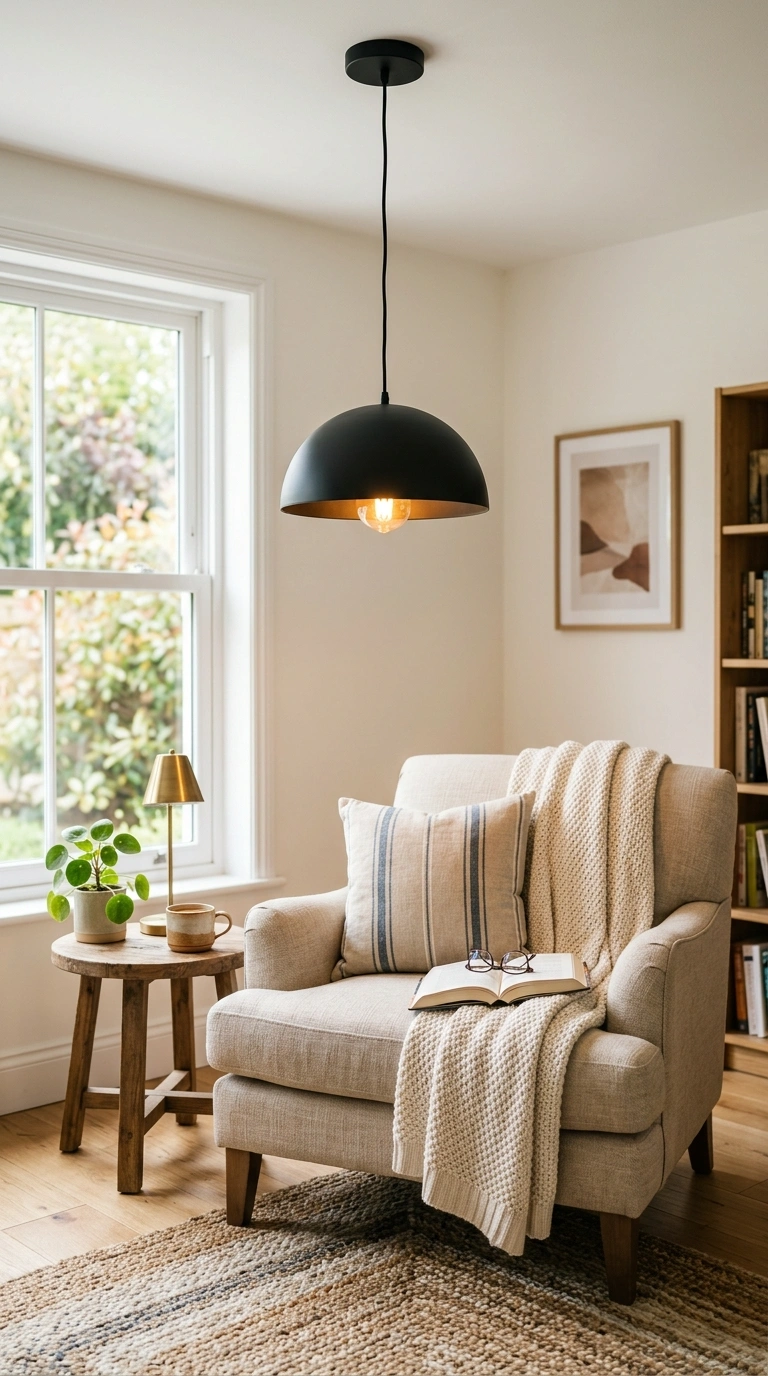
Swapping a builder grade overhead light for a simple pendant fixture is one of the most noticeable upgrades you can make to a living room’s overall feeling. Choose a pendant in a matte black or brushed brass finish, with a simple glass or fabric shade, and hang it low enough to feel like a design feature rather than just a utility fixture. This works especially well in living rooms with higher ceilings, where a flush mount light often gets lost and looks like an afterthought. Position it above a seating area or a reading corner, rather than dead center in the room, for a more intentional look. Many pendant lights are simple enough to install yourself if you already have basic wiring knowledge, though hiring an electrician for an hour is also a reasonable option if you are unsure. This single fixture change often gets more compliments than almost any other update on this entire list, since lighting fixtures are one of the first things people notice in a room.
22. Sculptural Vase Display
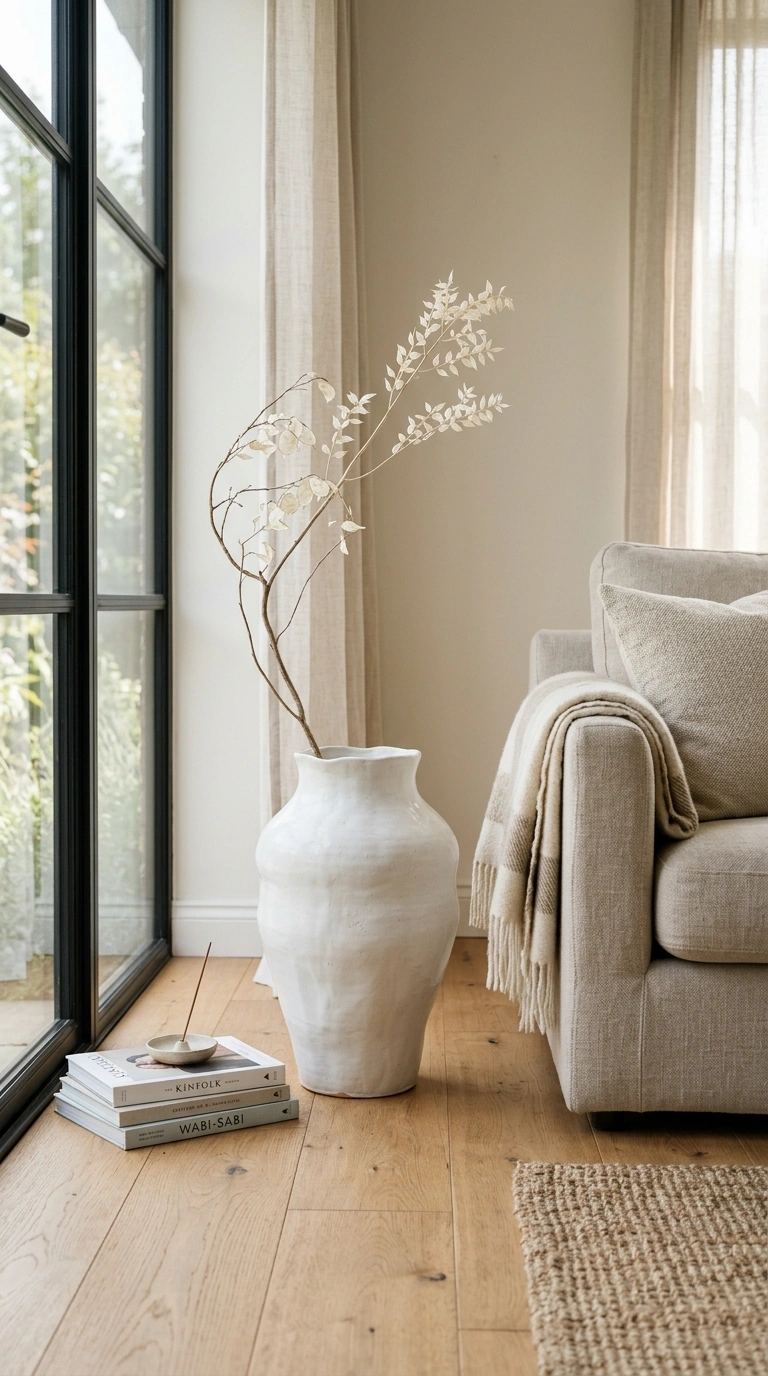
Placing one large, sculptural vase on a side table or the floor near the sofa adds an artistic, gallery like touch without needing any actual artwork at all. Choose a vase with an interesting shape, an organic curve or an asymmetrical form, in a plain white, black, or terracotta finish so it reads as a design object rather than just a container. You can leave it completely empty for a minimal look, or add a single dried branch or a few stems of pampas grass for extra height and texture. Place it on the floor beside the sofa if you want to fill empty vertical space, or on a side table if you prefer it at eye level. This is a low cost way to add visual interest to a room, since a single well chosen object often has more impact than several smaller decorations scattered around. Many home stores carry affordable ceramic vases in exactly this sculptural style, making the look easy to recreate without a big budget.
23. Cozy Reading Nook
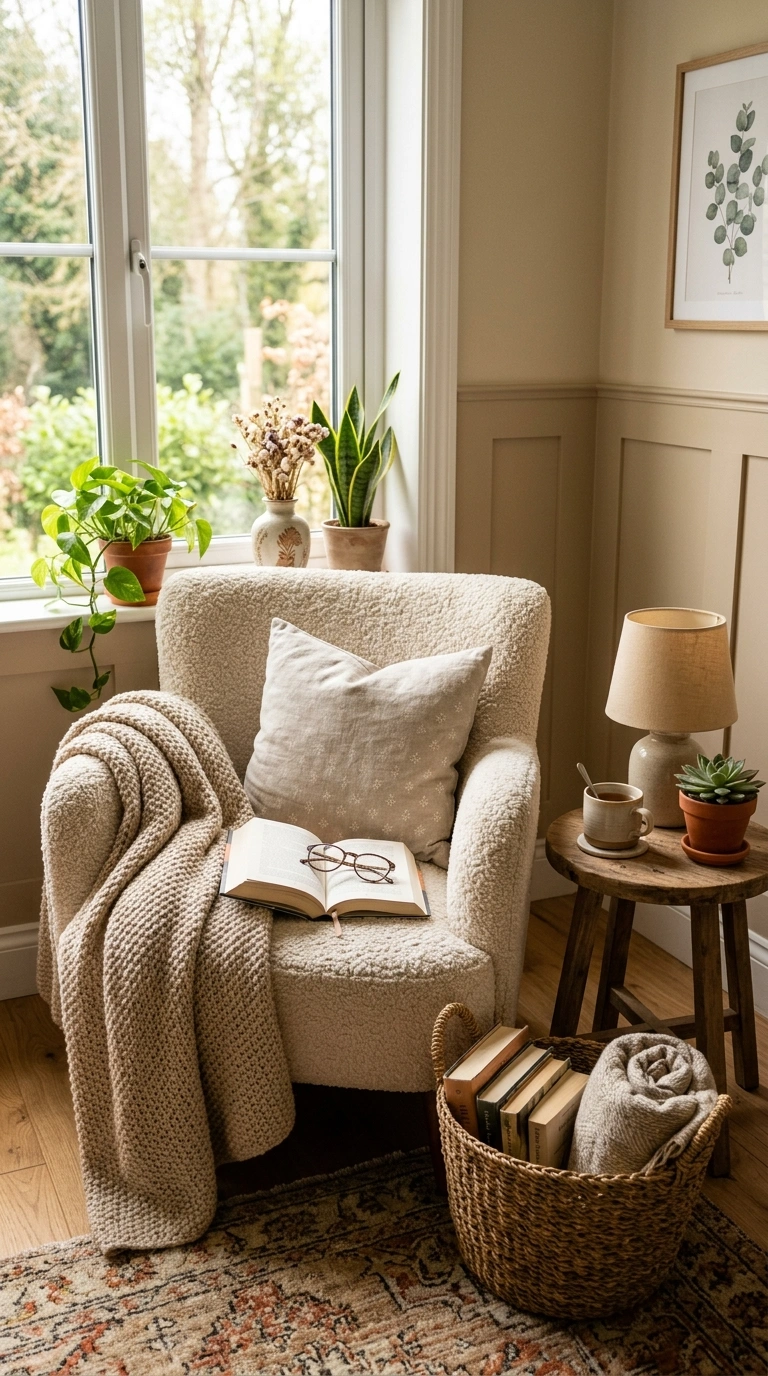
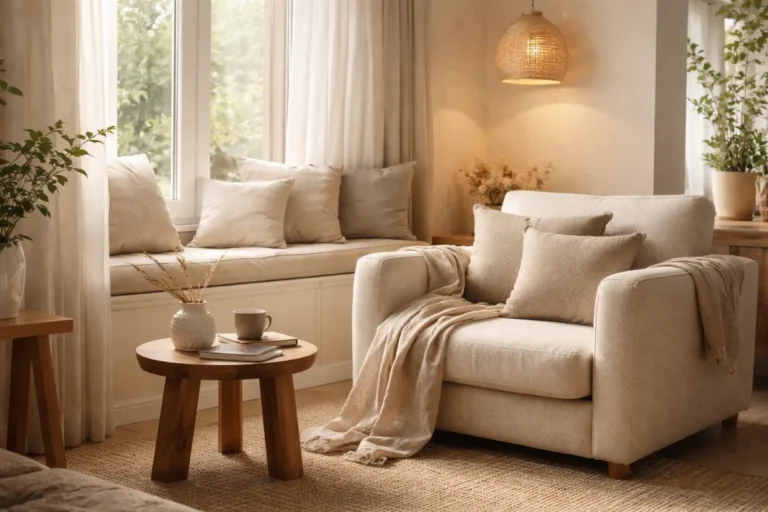
Turning an unused corner into a small reading nook gives a living room a purposeful, lived in feeling that empty corners rarely have on their own. Place a single comfortable chair near a window, add a small side table for a lamp and a cup of tea, and lay a soft rug underneath to define the space from the rest of the room. Choose a chair in a texture different from your main sofa, a bouclé or velvet armchair works nicely, so the nook feels like its own distinct spot rather than an extension of the main seating area. A small basket beside the chair for current books or magazines keeps everything the corner needs within arm’s reach. This idea solves the common problem of an awkward, underused corner while adding a genuinely functional spot to the room. It is also one of the more personal ideas on this list, since a reading nook reflects how you actually want to spend time in your own living room.
None of these ideas require a full renovation or a big budget. Start with the one that feels easiest, maybe swapping your pillows or moving your lamps into a pair, and build from there. A living room comes together slowly, one small change at a time, and that is exactly how the best ones usually happen.